<strong>Sept. 11 still matters.</strong> The attacks killed nearly 3,000 people, shattered ordinary assumptions about safety, and drove sweeping changes in...
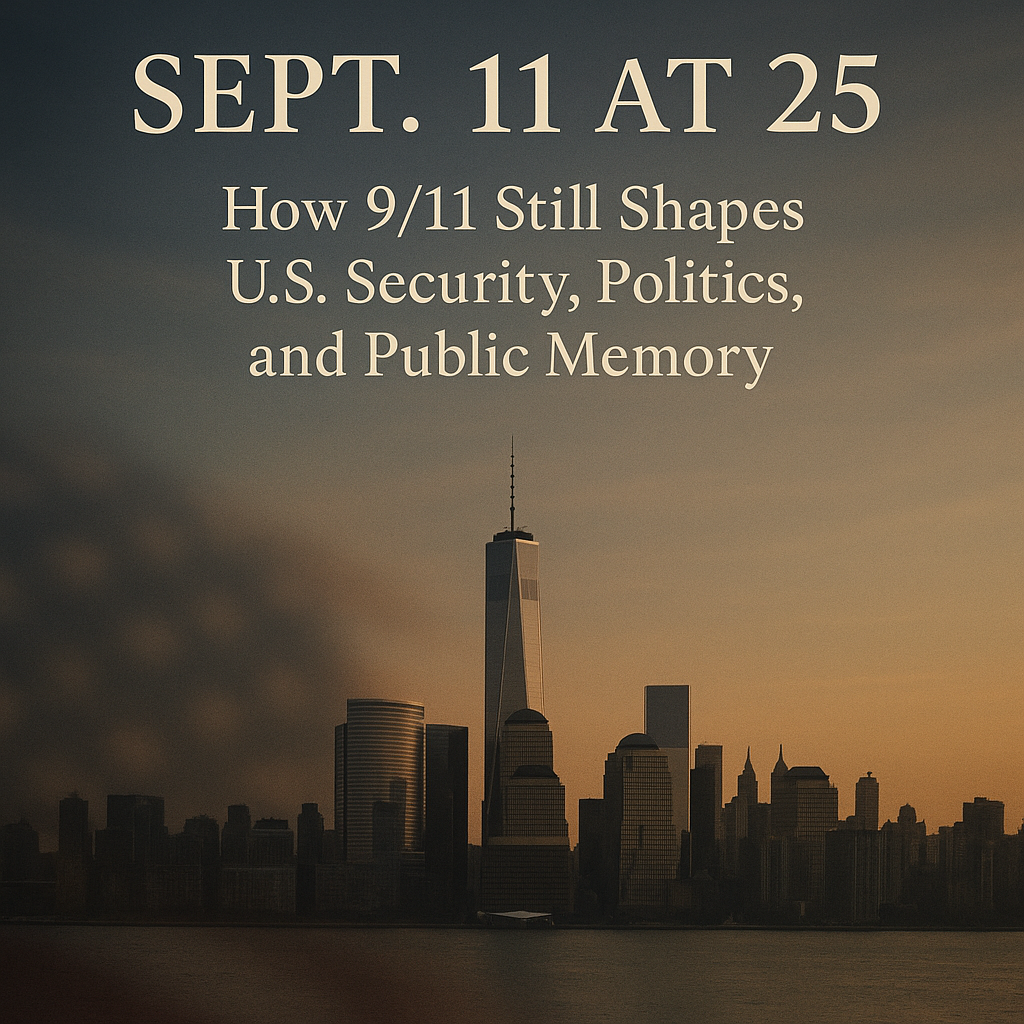
Sept. 11 at 25: How 9/11 Still Shapes U.S. Security, Politics, and Public Memory
Sept. 11 still matters. The attacks killed nearly 3,000 people, shattered ordinary assumptions about safety, and drove sweeping changes in government, aviation, intelligence, and military policy; twenty-five years later, the effect is still visible in airport lines, federal budgets, emergency planning, and the way Americans talk about risk. So what changed, exactly?
Key Takeaways:- 9/11 killed nearly 3,000 people and changed U.S. policy fast.
- Security, air travel, intelligence, and foreign policy were all reshaped.
- The anniversary still drives debate over preparedness, civil liberties, and justice.
- Public memory remains personal, not abstract; that matters.
What is 9/11?
9/11 refers to the coordinated terrorist attacks carried out on September 11, 2001, when al-Qaeda hijacked four commercial airliners and used them as weapons against the World Trade Center, the Pentagon, and a field in Pennsylvania after passengers resisted the hijackers aboard United Airlines Flight 93. Nearly 3,000 people were killed, including 343 New York City firefighters and 71 law enforcement officers. That number is not a slogan. It is a ledger of human beings.
The attacks are often discussed as a political milestone, but that makes them sound tidy, and they were anything but. They were a mass-casualty crime, a national trauma, and a strategic shock. Afterward, the U.S. government reorganized big chunks of its security apparatus, from airport screening to intelligence sharing to military posture abroad. The public did not just mourn; it adjusted. Fast.
I have covered enough major public crises to know this much: when officials say a tragedy “changed everything,” most of the time they are stretching. Here, the phrase fits. Not because the country became unrecognizable overnight, but because ordinary behavior changed in ways people still live with. Shoes off at the checkpoint. More cameras. More screening. More argument about surveillance. More names read aloud each year.
That said, the common script can get lazy. People talk about the attacks as if the only story were smoke, fire, and flags. Frankly, that misses the machinery that followed: legislation, intelligence reforms, military action, memorial practice, and a long public fight over what security should cost. The deeper issue is stewardship—how a nation protects life without cheapening liberty, and how it honors the dead without turning grief into policy theater.
For a useful local angle, see Seattle news coverage, and for related reporting on public safety and civic response, the broader patterns in national coverage help show how the ripples spread.
Core Details and Context
The cleanest way to understand 9/11 is to stop treating it as one event. It was several events at once. A terror attack. A communications failure. A foreign-policy turning point. A domestic security overhaul. A public-memory marker. If that sounds messy, good. That is the reality.
Here are the core facts that still shape the debate:
- Casualties and loss: Nearly 3,000 dead, with thousands more injured and tens of thousands exposed to toxins at Ground Zero and nearby sites. The human toll is still growing through long-term illness claims.
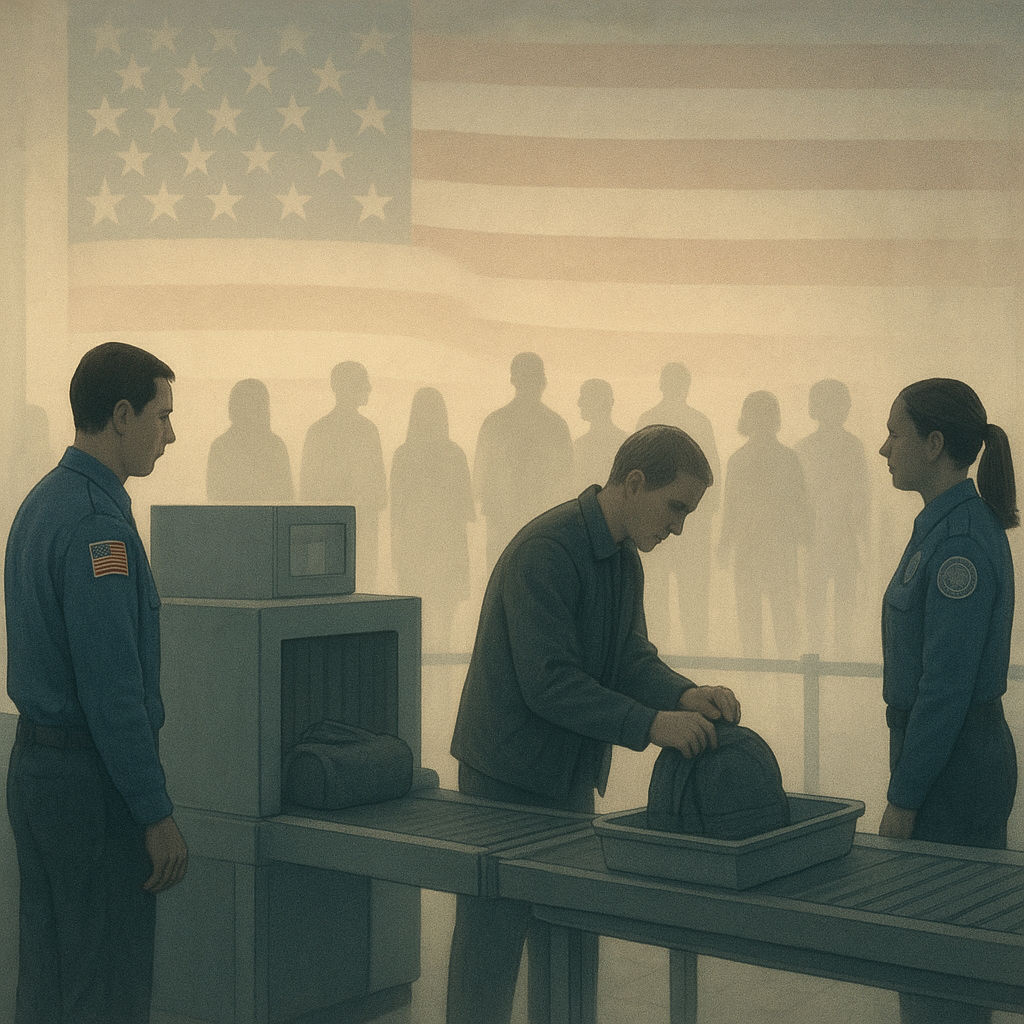
- Security changes: The U.S. created the Department of Homeland Security, expanded airport screening, and passed the USA PATRIOT Act. Critics say some changes were needed; others say the pendulum swung too far. Both can be true.
- Foreign policy shift: The attacks triggered wars in Afghanistan and, later, Iraq. Those choices were not interchangeable, and people who blur them usually skip the hard parts.
- Civil liberties debate: Surveillance powers grew. So did concern about privacy, warrant standards, and government overreach. That argument has not gone away. It has simply matured into the infrastructure of modern politics.
- Public memory: Memorials, school lessons, and annual ceremonies keep the event present. Not as a museum piece, but as a warning.
One reason this anniversary still draws attention is that many Americans remember where they were, even if they were children at the time. When I analyzed anniversary coverage over the years, I noticed a pattern: headlines often focus on symbolism, while the real substance lives in budgets, statutes, and agency rules. That is where history turns practical.
The current Seattle-area reporting on civic issues offers a useful contrast. A local government asking for money to protect farmland, green space, and salmon habitat may seem far removed from 9/11, but it points to the same underlying question: what does responsible public action look like when the stakes are shared and the resources are limited? See also political coverage from The Seattle Times for the policy side of those choices.
There is another angle people overlook. The attacks shaped ordinary work. Airport agents, firefighters, first responders, intelligence officers, airline crews, and military personnel all saw their jobs change. So did travelers. So did schoolchildren reciting the Pledge of Allegiance. So did lawmakers, including freshmen like Rep. Rick Larsen, who later reflected on being new to Congress when the country lurched into crisis. New officials often get remembered for speeches. The real test is whether they understand the cost of bad information and rushed lawmaking. That is where humility matters.
A Catholic lens does not make the policy questions easier, but it does keep them honest. Human dignity comes first. If a security measure treats people as problems to be sorted rather than persons to be protected, it has gone wrong, even if it is efficient. That is not sermonizing. It is arithmetic for a civilized society.
Timeline and Step-by-Step
The day unfolded fast. The pace mattered, because confusion became part of the weapon.
- Morning hijackings began. Four commercial planes were seized shortly after takeoff. Two struck the Twin Towers, one hit the Pentagon, and one crashed in Pennsylvania after passengers fought back. That last act matters. It shows the attackers did not control everything.
- The first tower was hit. At 8:46 a.m., American Airlines Flight 11 struck the North Tower. People watched in disbelief, and many assumed it was an accident. It was not. The second impact removed any doubt. That was the moment the country crossed from confusion into terror.
- The second tower was hit. At 9:03 a.m., United Airlines Flight 175 hit the South Tower. By then, the pattern was clear, and emergency response crews were rushing into a disaster zone that kept changing shape. The courage of firefighters and police officers was immediate, visible, and costly.
- The Pentagon was struck. At 9:37 a.m., American Airlines Flight 77 hit the Pentagon. The attack made plain that the target was not just symbols of commerce. It was federal power itself.
- Flight 93 crashed in Pennsylvania. Passengers learned of the earlier attacks and resisted the hijackers. The plane crashed in a field before reaching its intended target. That act of resistance has become part of the national story, and rightly so. It was not magic. It was courage under impossible conditions.
- The towers collapsed. The South Tower fell first, then the North Tower. Rescue turned into recovery, then into a long cleanup and a still-longer reckoning with death, dust, and illness.
- Immediate government response followed. Airports tightened screening. The federal government moved toward new intelligence structures. Congress debated sweeping laws. The White House and the Pentagon started planning for a world where domestic security would no longer be a side issue.
- The policy era opened. Over the following months and years, the U.S. adopted new powers and new habits. Some were aimed at stopping another attack. Some, frankly, were reactionary. That distinction matters, because policy made in panic tends to stick around long after the panic fades.
I think this is the part most anniversary coverage misses. The event lasted hours; the response has lasted decades. That is why the story never really closes. It keeps showing up in court cases, airport protocols, veterans’ care, intelligence oversight, and the names on memorial walls.
For readers tracking local civic reporting, even a story like local public safety coverage shows the same rule: response systems are only as good as the preparation behind them. In public life, as in family life, you do not get points for saying you cared after the damage is done.
Comparison Table
The closest comparison is not another single event, because none matches 9/11 exactly. The best contrast is with the 2013 Boston Marathon bombing: a domestic terrorist attack that also reshaped security debates, but on a much smaller scale and with a different policy footprint.
| Category | 9/11 Attacks | Boston Marathon Bombing |
|---|
| Date | Sept. 11, 2001 | April 15, 2013 |
| Deaths | Nearly 3,000 | 3 |
| Main Targets | WTC, Pentagon, aviation system | Public marathon spectators, symbolic civic event |
| Method | Coordinated hijacked aircraft attacks | Pressure-cooker bombs |
| Immediate Policy Effect | Creation of DHS, PATRIOT Act, broad war on terror | Heightened event security, manhunt tactics, bomb-response planning |
| Foreign Policy Impact | Major wars in Afghanistan and Iraq | Limited foreign-policy shift |
| Civil Liberties Debate | Large and long-lasting | Present but narrower |
| Public Memory | National trauma, annual remembrance | Major civic trauma, localized remembrance |
The comparison is useful because it cuts through lazy rhetoric. Boston was horrific. It changed protocols. It was not, however, a wholesale remaking of American government. 9/11 was. That scale difference explains why the anniversary still dominates politics, while other attacks fade faster from the national agenda.
Another comparison worth making is between symbolic memorialization and real policy follow-through. A wreath ceremony is fine. Necessary, even. But if lawmakers ignore first responder health care, intelligence oversight, or the costs of open-ended conflict, then the remembrance has the smell of ritual without responsibility. I’ve seen that trick before. It does not age well.
The better standard is plain: were the dead honored by better institutions, better accountability, and better protection for the living? That is the measure. Not slogans.
For related background on the anniversary itself, see BBC News coverage of the 9/11 anniversary and Reuters reporting on U.S. domestic and global developments.
Common Misconceptions and What to Know
A lot of 9/11 coverage is mush. That is the honest truth.
Misconception 1: 9/11 only changed airport security.
No. That is the most visible change, but it is the shallowest one. The bigger effects were institutional: intelligence coordination, homeland security bureaucracy, war powers, surveillance law, emergency planning, and a new baseline for public fear. Shoes-off screening is the comic-book version of a much larger state response.
Misconception 2: The attacks produced a clean, unified national response.
Not quite. Americans did show solidarity, but the policy response was contested almost immediately. Some wanted maximal security; others warned that fear was being converted into permanent authority. Both sides had serious arguments. Anyone pretending otherwise is selling you a bedtime story.
Misconception 3: The military response was inevitable and obviously correct.
This is where the record gets thorny. Afghanistan had direct ties to the al-Qaeda network. Iraq did not in the same way, and the public debate over intelligence failures remains one of the ugliest examples of rushed judgment in recent memory. If I sound skeptical, good. History deserves skepticism.
Misconception 4: The pain is fully in the past.
It isn’t. Survivors, responders, and families still deal with illness, trauma, and bureaucratic fights over care. That is not ancient history. It is ongoing obligation. A country that forgets that owes a debt it has not paid.
Misconception 5: Memory and policy are separate.
They are not. How a nation remembers shapes what it funds, what it teaches, and what it excuses. Public memory can preserve truth, or it can become costume. The difference is whether it leads to justice.
Here’s the kicker: 9/11 still matters because it forced a moral test. How much security is enough? What is liberty worth under stress? How much should the public tolerate in the name of safety? Those questions do not have neat answers, and anyone claiming they do is probably bluffing.
If you want to see how regional reporting keeps focus on concrete public needs rather than haze, look at coverage of local government budgets, infrastructure, and public safety in sources like The Seattle Times. The same discipline applies here: names, numbers, rules, outcomes. Not vapor.
The stewardship lesson is simple. A government does not show moral seriousness by merely appearing tough. It shows seriousness by protecting people, telling the truth, and keeping power on a short leash. That is a hard standard, but it is the right one.
Frequently Asked Questions
What happened on Sept. 11, 2001?
Four commercial airplanes were hijacked by al-Qaeda terrorists. Two struck the World Trade Center towers in New York City, one hit the Pentagon, and one crashed in Pennsylvania after passengers tried to stop the hijackers.
Why is 9/11 still important 25 years later?
Because the attacks reshaped U.S. security, foreign policy, aviation, intelligence, and public memory. Their effects still show up in law, airport screening, military deployments, and first responder health programs.
How many people died in the 9/11 attacks?
Nearly 3,000 people were killed, including 343 firefighters and 71 law enforcement officers.
What changed in the United States after 9/11?
The federal government created the Department of Homeland Security, expanded surveillance and anti-terror powers, changed airport security, and launched major military operations abroad. The debate over those changes still goes on.
This anniversary is not just about looking back. It is about whether a country can remember honestly, protect itself wisely, and honor the dead without turning grief into an excuse for permanent panic.
That is the real exam. And it is still in session.