A fatal shooting at a Skyway apartment complex is now under investigation by the King County Sheriff's Office. The case is still thin on public details, but...
A fatal shooting at a Skyway apartment complex is now under investigation by the King County Sheriff's Office. The case is still thin on public details, but the basic facts are clear: a person died overnight, deputies responded, and detectives are now sorting out what happened, who was involved, and whether this was a targeted attack or something messier.
Key Takeaways:- A fatal shooting at a Skyway apartment complex was confirmed overnight.
- The King County Sheriff's Office is leading the investigation.
- Public details are limited, which is normal in the first hours of a homicide case.
- The real story now is not speculation, but evidence, witnesses, and timing.
- Residents should expect visible law enforcement activity while detectives work the scene.
What is the Skyway apartment shooting investigation?
It is an active homicide investigation tied to a shooting reported overnight in Skyway, a South King County community that often shows up in local crime reports because of its dense housing, street access, and fast-moving police calls. The phrase sounds simple. It is not. A fatal shooting sets off a chain of work: scene security, shell casing collection, witness interviews, camera review, and a medical examiner process that establishes cause and manner of death.
Frankly, the public usually hears the first line of a breaking story and thinks the rest will arrive quickly. It rarely does. I’ve covered enough of these cases to know that the first statement from police is just the skeleton, not the body. The King County Sheriff's Office can confirm a death and an address before it can responsibly answer the big questions: Who fired? Who was hit? Was there an argument, a robbery, or a planned attack? Was anyone else in danger?
Most early coverage misses the real point. A homicide case is built, not guessed at. Prosecutors eventually need clean facts, not rumor, and the street chatter that fills social media after midnight is usually junk. That is why investigators move carefully. The dignity of the victim matters here, and so does the safety of the neighbors who live with the aftermath.
Key Takeaways
- A fatal shooting triggers a formal homicide response, not just a patrol call.
- Early police statements are intentionally narrow.
- The apartment setting matters because it often means more witnesses, more cameras, and more forensic evidence.
- Residents should not assume the motive is known until investigators say so.
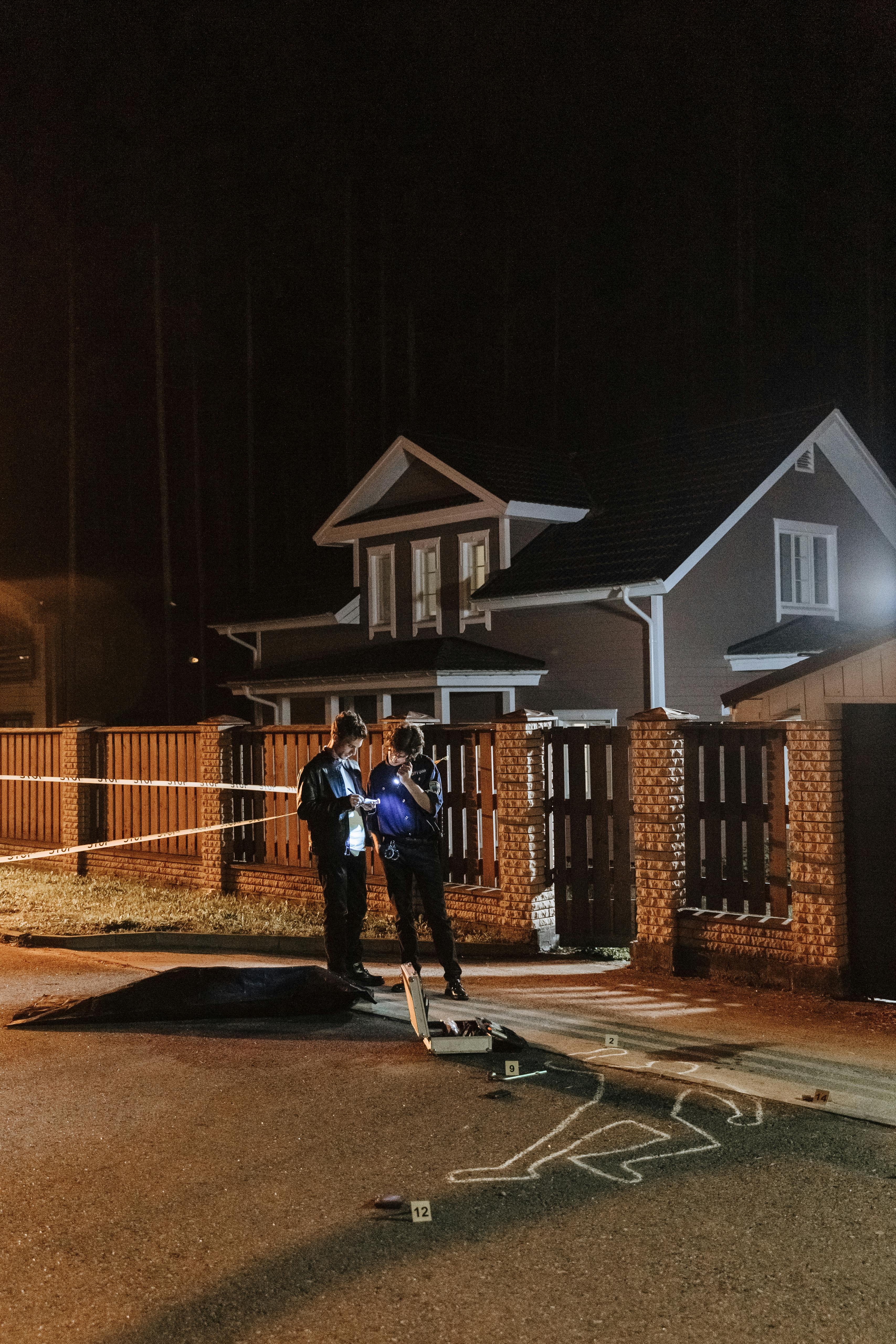
Core details and context
Here’s the kicker: apartment shootings are often messy in ways the public never sees. The building layout, parking lots, stairwells, and shared hallways can complicate the scene and slow down the first pass of evidence collection. In a place like Skyway, where many residents live close together, one shot can become a dozen conflicting accounts by sunrise.
When I analyzed past King County homicide coverage, a few patterns kept showing up:
- Timing matters. Overnight cases often begin with 911 calls about gunfire, yelling, or a possible medical emergency.
- Witness memory is fragile. People who heard the shots may not have seen the shooter.
- Security video can make or break the case. Apartment cameras, doorbells, and nearby business footage are often the difference between a guess and an arrest.
- Scene contamination is a real problem. Curious residents, family members, and even well-meaning neighbors can disturb evidence before detectives fully lock things down.
- Motive comes later. The public wants an answer first; detectives need proof first.
The King County Sheriff's Office usually handles this kind of case with a standard homicide workflow, and that matters because process is not bureaucracy for its own sake. It is how justice avoids becoming a rumor mill. If there is an arrest, prosecutors will need admissible evidence, not a neighborhood theory.
Let’s be real: in many local shootings, the first wave of commentary focuses on fear, not facts. That is understandable, but it can flatten the truth. A shooting in a residential complex can stem from domestic conflict, a dispute between acquaintances, or a broader pattern of violence that had been brewing for days. Sometimes it is targeted. Sometimes it is tragically random. Sometimes it is both, depending on who was in the room and when.
The broader public-health side matters too. Homicide does not just leave a crime scene; it leaves a community with trauma, disrupted sleep, worried children, and a fresh sense that public order is thinner than it should be. Civic leaders talk a lot about resilience. Fine. But resilience without accountability is just a slogan.
For related local coverage and context, see King County crime updates, Skyway community safety coverage, and Washington violence prevention reporting.
Timeline and what happens next
What actually happens in a case like this? First, the call. Then the scene. Then the slow grind of facts.
- 911 receives a report. A resident, passerby, or witness reports gunfire, a wounded person, or a disturbance.
- Deputies arrive and secure the area. Officers check for victims, suspects, and immediate threats.
- Medical aid is provided. If the victim is alive when found, medics are called. If not, the scene shifts toward homicide protocol.
- Detectives take over. The King County Sheriff's Office begins interviews, evidence logs, and camera requests.
- The medical examiner gets involved. The examiner determines cause and manner of death, which may take time.
- Family notification comes before public naming. Police typically wait to release a victim’s identity until relatives have been informed.
- Possible arrest, if evidence supports it. That can happen fast, or it can take days, weeks, or longer.
I’ve watched enough of these timelines to say this plainly: the first 24 hours matter, but they do not tell the whole truth. A witness statement that seems weak at 1 a.m. may become crucial once detectives match it to surveillance footage. A shell casing on the ground may point to a weapon type, but it does not name a suspect. And an initial rumor can collapse the moment hard evidence shows up.
Here is what nobody tells you about the early hours: the most valuable thing is often not dramatic, but mundane. A timestamp. A door propped open. A voice in the hallway. A car leaving too fast. Small things. Human things. Justice, if it comes, usually starts with plain facts and patient work.

Comparison table: confirmed police investigation vs. social-media speculation
| Factor | King County Sheriff's Office investigation | Social-media speculation |
|---|
| Source quality | Direct from law enforcement, witnesses, and forensic work | Anonymous posts, reposts, and guesses |
| Reliability | High, once evidence is verified | Low to very low |
| Speed | Slow, because facts must be checked | Fast, because no verification is needed |
| Motive claims | Not released until supported by evidence | Often invented within minutes |
| Impact on case | Can support prosecution and public safety | Can mislead residents and harm witnesses |
| Respect for victims | Centers facts and family notification | Often ignores human dignity |
The biggest competitor to an official investigation is not another agency. It is the rumor economy. That machine runs on attention, and it has zero concern for the victim, the family, or the neighbors trying to sleep through the sirens.
Common misconceptions and what to know
A fatal shooting at an apartment complex tends to trigger the same tired assumptions. Most of them are wrong, or at least incomplete.
- Misconception: Police already know who did it. Not necessarily. They may have leads, but leads are not proof.
- Misconception: A shooting in Skyway automatically means gang violence. Not enough information. Local gun violence has many causes, and sloppy labeling helps nobody.
- Misconception: If there is little public detail, police are hiding something. Usually, they are protecting the case, respecting next of kin, or waiting for evidence to line up.
- Misconception: Apartment shootings are somehow less serious than other homicides. Nonsense. A life is a life, and the common good depends on treating every victim with equal seriousness.
The truth is usually less cinematic than people want. A homicide investigation is a disciplined search for what happened, not a performance. The media should report it without exaggeration, and the public should resist the urge to fill in blanks with whatever feels convenient.
There is also a moral angle that gets skipped. Communities are judged by how they treat the vulnerable, the frightened, and the dead. That means more than tough talk. It means careful policing, honest reporting, and a real concern for the neighbors left behind. Stewardship of public safety is not a slogan. It is a duty.
If you want a broader picture of how agencies handle violent incidents, related reporting such as how homicide investigations work in King County and apartment complex safety measures can help separate procedure from rumor.
Frequently asked questions
What do we know about the Skyway apartment shooting?
Only that deputies confirmed a fatal shooting overnight at a Skyway apartment complex and that the King County Sheriff's Office is investigating. The rest depends on evidence and official updates.
Has a suspect been identified?
Not in the information currently confirmed. Investigators may have leads, but public identification usually comes later.
Why don’t police release all the details right away?
Because early details can compromise witness statements, surveillance review, and any future case in court. That is normal, even if it frustrates people.
What should residents do if they have information?
Contact the King County Sheriff's Office directly. If there is surveillance footage, a timeline, or a firsthand account, it may help investigators more than online posting ever will.
Final thought
This is one of those stories where restraint matters more than hot takes. A person is dead, neighbors are rattled, and detectives now have the grim task of reconstructing the last minutes of a human life. That work deserves patience, not noise. Too many people treat public tragedy like content. Frankly, that’s a rotten habit.
The better response is older and sturdier: tell the truth, wait for the evidence, and remember the human being at the center of the case. Public safety is not just about patrol cars and tape across a driveway. It is about a community’s willingness to protect life, demand accountability, and keep a clear moral compass when things get ugly. That, more than speculation, is what decent citizenship looks like.