A trailer fire in Snohomish County left two people dead. The loss is plain, the questions are sharper, and the facts still matter more than the noise. Crews...
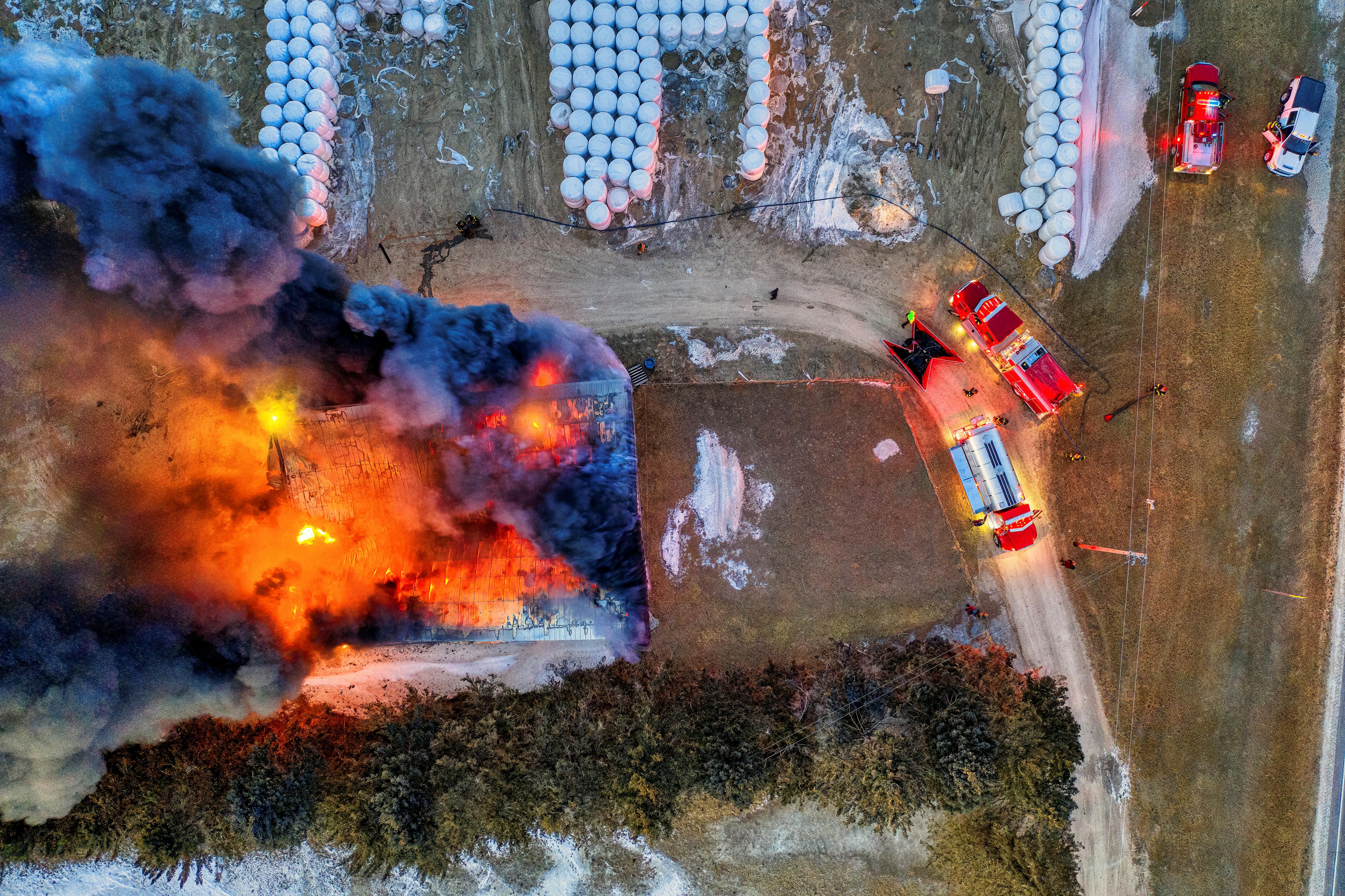
A trailer fire in Snohomish County left two people dead. The loss is plain, the questions are sharper, and the facts still matter more than the noise. Crews with Snohomish Regional Fire & Rescue confirmed the deaths, and investigators now have the grim task of sorting cause, origin, and whether this blaze was preventable.
Key Takeaways
- Two people died in a trailer fire in Snohomish County.
- Snohomish Regional Fire & Rescue confirmed the fatal fire.
- Investigators still must determine cause, origin, and timeline.
- Mobile homes and trailers can become lethal fast because of tight spaces, fuel load, and limited exits.
- Public attention often skips the hard part: fire prevention, code compliance, and safety planning.
What is the Snohomish County trailer fire?
It is a fatal residential fire. That’s the clean answer, and the ugly one too. A trailer fire may sound small to people who picture a house blaze as the only real disaster, but a mobile home or trailer can turn deadly in minutes because flames spread quickly, heat builds fast, and smoke cuts off escape routes before a person has time to think.
When I look at fires like this, I never buy the lazy assumption that they are “just accidents” and nothing more. Sometimes that is true. Sometimes it is not. Investigators have to check ignition sources, electrical issues, heating equipment, smoking materials, cooking appliances, and any sign of foul play. Until they do, speculation is just chatter, and chatter helps nobody.
Here’s the kicker: the human cost is what matters first, not the scene photos. Two people are dead. That means two families now carry grief that does not leave on its own. In a moral sense, that’s the part most coverage should never rush past. Life has dignity, and that dignity does not depend on ZIP codes, home size, or whether the dwelling had wheels under it.
A trailer fire also raises a broader public-safety issue. Emergency response matters, but prevention matters more. Working smoke alarms, escape planning, safe heating equipment, and functioning electrical systems are not glamorous topics. They are, however, the difference between a frightening call and a fatal one. Most people only pay attention after the smoke clears. That is usually too late.
In Snohomish County, the fire will likely be examined through the lens of local building conditions, weather, access for fire crews, and the structure’s safety features. That’s the practical side. The human side is simpler and heavier: two people are gone, and the community now has to reckon with a death scene that may have been avoidable if the right safeguards were in place.
Core Details and Context
The basic facts are limited, which is normal in the first hours after a fatal fire. Still, a few points matter.
- Snohomish Regional Fire & Rescue confirmed the deaths.
- The incident involved a trailer fire in Snohomish County.
- The number of victims reported so far is two.
- Investigators will need to determine whether the fire began inside the structure or outside it.
- The condition of the trailer, the age of its electrical system, and the presence of smoke alarms will matter.
- Weather, wind, and access conditions can shape how quickly crews are able to contain a blaze.
- Officials often wait to release victim identities until next of kin are notified.
Frankly, a lot of early coverage stops at the headline. That is not enough. A fatal fire is not only an event; it is a chain of failures or misfortune that began before the first call to 911. That chain may include poor maintenance, ignored hazards, old wiring, overloaded outlets, blocked exits, or a heater placed too close to combustibles. Sometimes the chain is simpler, and sometimes it’s worse.
If the trailer was a manufactured home or a travel trailer, the fire behavior can be especially severe. These structures can contain more synthetic materials than older homes, and many have smaller footprints, which means smoke and heat can overwhelm occupants rapidly. That is why public safety agencies stress early detection and fast evacuation. Seconds count. Minutes are a luxury.
One thing people rarely say out loud: disaster exposes stewardship. That sounds lofty, but it is concrete. Keeping a home safe is an act of responsibility, not just property upkeep. Fire alarms, safe wiring, clear exits, and working extinguishers are mundane, yes, but they are also a form of care for others. The common good starts in small places.
Another point gets overlooked: rural and semi-rural fire response times can be harsher than city dwellers expect. Even with capable crews, a trailer can be fully involved before engines arrive, especially if smoke reports are delayed or the fire grows unchecked overnight. That does not mean responders failed. It means structure fires punish delay.
I’ve covered enough emergency reporting to know that the first witness account is usually incomplete, the first estimate usually needs correction, and the first assumption is often wrong. So the best analysis is disciplined. Stick to what is confirmed. Watch the investigation. Avoid the cheap certainty that comes from not knowing much.
Timeline and What Happened
The timeline is still developing. That said, the sequence appears straightforward at the broad level.
- A fire broke out in a trailer in Snohomish County.
- Emergency dispatchers received the call and sent fire crews.
- Snohomish Regional Fire & Rescue responded to the scene.
- Crews found conditions serious enough that the fire had already taken a heavy toll.
- Two people were confirmed dead after the blaze.
- Investigators began the standard process of documenting the scene, identifying ignition points, and preserving evidence.
- Authorities will likely continue the inquiry before releasing a formal cause.
Now, let’s be real: the public often imagines that firefighters arrive, knock down the flames, and then move on. That is not how fatal fires work. After the flames come the slow and careful part. Crews and investigators document burn patterns, electrical conditions, appliance placement, propane or fuel sources, and signs of human activity. They may also interview neighbors, review 911 records, and map the response time.
The timing of discovery matters a great deal. A fire reported early can be survivable. A fire reported late can become unsurvivable in a small space. That is why smoke alarms are not optional decorations. They are life-saving equipment. If alarms were missing, disconnected, or failed to sound, that will become part of the inquiry.
Here is the unpleasant truth: many fatal fires begin with ordinary habits. A heater near fabric. A candle left burning. An overloaded circuit. A cigarette in the wrong place. A cheap extension cord used as a permanent fix. Small negligence can become large grief. That is not moralizing. It is the pattern investigators see again and again.
Another layer matters too. If the trailer housed vulnerable occupants, such as older adults, disabled residents, or people with limited mobility, escape time shrinks even further. A structure fire is not evenly cruel. It punishes the slow, the sleeping, the isolated, and the unprepared.
When I analyze incidents like this, I keep one rule: do not fill silence with fantasy. If officials have not named a cause, then the cause is unknown. If they have not confirmed the origin, then nobody should pretend certainty. That discipline is basic journalistic hygiene, but it is surprisingly rare.
Comparison Table
People compare a trailer fire with a house fire and think the difference is mostly size. That’s too simple. The construction, materials, and escape conditions change the outcome fast.
| Factor | Trailer/Manufactured Home Fire | Typical Site-Built Home Fire |
|---|
| Spread speed | Often faster because of smaller volume and combustible materials | Can still spread quickly, but sometimes more compartmentalized |
| Escape routes | Usually fewer exits and tighter passageways | Often more exits and larger rooms |
| Firefighter access | Can be harder if roads or site access are limited | Usually easier in suburban settings |
| Smoke behavior | Smoke can fill living space very rapidly | Smoke still dangerous, but sometimes with more warning time |
| Occupant survival window | Often shorter | Often slightly longer, depending on structure |
| Common risks | Electrical faults, heaters, smoking, cooking, propane | Same risks, plus attic/wall fire spread |
| Prevention focus | Smoke alarms, clear exits, safe wiring, heating safety | Smoke alarms, extinguishers, electrical maintenance, escape plans |
The comparison is not academic. It explains why a trailer fire can turn tragic faster than many people expect. Most news coverage treats all residential fires as roughly equal. They are not. Construction details matter. So do maintenance habits.
There is also a policy angle here. Fire codes, inspection standards, and housing safety enforcement are not abstract bureaucracy. They are public protections. If a community tolerates bad wiring, poor upkeep, or ignored hazards in vulnerable housing, then it is accepting risk on behalf of people who may not have the money or power to fix the problem themselves. That should bother anyone who believes justice includes the protection of ordinary people.
One more thing: emergency response systems are only part of the equation. If the home lacks working alarms or safe exits, then even a perfect response can arrive too late. The best fire department in the world cannot rewind a late warning.
Common Misconceptions and What to Know
People say a lot of silly things after fatal fires. Some of it is ignorance. Some of it is denial. Some of it is plain gossip dressed up as confidence.
- “Trailers always burn because they’re flimsy.” Not exactly. Trailer fires are often deadlier because of how fast they spread and how little time occupants have to escape. The structure type matters, but bad wiring, unsafe appliances, and delayed detection matter too.
- “If firefighters were there, the victims should have survived.” No. That’s wishful thinking. A fatal fire can become unsurvivable long before crews arrive, especially in a small structure.
- “The cause is obvious.” Usually it is not. Investigators need evidence, not guesses.
- “Smoke alarms are enough.” They are essential, but not enough on their own. You also need exits, practiced escape plans, safe heating, and maintenance.
- “Fire safety is a private matter only.” Not really. Housing safety is a community issue because weak standards create public risk.
The most common mistake is treating these deaths as isolated bad luck. Sometimes bad luck plays a role. But that answer is too cheap. A serious report should ask whether the dwelling had the protections it should have had, whether occupants had enough warning, and whether authorities or owners ignored known hazards.
Most people also misunderstand what investigators do after a fire. They are not there to produce a neat story in five minutes. They work backward from the damage, because the damage is the evidence. Burn depth, charring patterns, melted outlets, appliance position, and soot distribution all tell part of the story.
Here’s the kicker: prevention is usually boring right up until it saves lives. That is why the public underestimates it. People buy insurance, lock doors, and check tires, but fire safety often gets treated like a side note. Then tragedy arrives and the missed basics become painfully obvious.
There is also an uncomfortable social truth here. Low-income housing and temporary structures often sit at the bottom of the safety priority list. That is not just a housing issue. It is a dignity issue. Every person deserves a safe place to sleep. That is not sentimentality. It is the plain requirement of a decent society.
Frequently Asked Questions
What caused the trailer fire in Snohomish County?
Officials have not publicly confirmed the cause yet. Investigators typically look at electrical failure, heating equipment, cooking, smoking materials, and other ignition sources before making a determination.
How many people died in the fire?
Crews with Snohomish Regional Fire & Rescue confirmed that two people died in the trailer fire.
Why are trailer fires often so deadly?
They can spread quickly because of tight spaces, combustible materials, and limited escape routes. Smoke can fill the structure fast, leaving little time to react.
What happens next in the investigation?
Authorities will document the scene, determine the point of origin, review possible causes, and notify family members before releasing victim identities or more detailed findings.
Final Thought
Two deaths in one fire should stop a newsroom cold. It should also stop the usual habit of treating tragedy as a brief item before the next headline. These things are not interchangeable. A fire like this forces a hard look at safety, housing quality, and the simple duty to protect life before it is lost.
I’ve seen enough of these cases to know the public often wants a neat villain or a fast explanation. Sometimes there is one. Sometimes there is not. But even when the cause remains under investigation, the moral duty stays fixed: make homes safer, insist on working alarms, maintain wiring, and treat vulnerable housing with the seriousness it deserves. That is stewardship in plain clothes.
The dead cannot be brought back. The living can still learn.
Sources: CDC fire safety information, U.S. Fire Administration, NFPA home fire safety, KOMO News, KING 5