Spirit Airlines has shut down operations, and that is not a minor schedule glitch. It is a full stop. The budget carrier, long known for bright yellow jets...
Spirit Airlines Shuts Down: What the Sudden Collapse Means for Travelers, Jobs, and U.S. Aviation
Spirit Airlines has shut down operations, and that is not a minor schedule glitch. It is a full stop. The budget carrier, long known for bright yellow jets, ultra-low fares, and bare-bones service, began winding down immediately on Saturday morning, canceling all flights and cutting off customer service, according to its statement.
That matters because Spirit was not just another airline. It was a pressure valve in the U.S. air travel market, forcing larger carriers to keep some fares in check, especially on short-haul domestic routes. When I look at a collapse like this, I do not see a branding story or a customer-service headline. I see a hard lesson in cost control, debt, and what happens when a company sells seats too cheaply to survive the next storm.
The airline said it would automatically process refunds for flights bought with a debit or credit card. Fine. Necessary, even. But refunds do not solve the larger problem for travelers who may be stranded, employees who now face uncertainty, airports that lose traffic, and rival airlines that will likely scoop up demand without much sympathy. Frankly, that is how this business works. The market is ruthless, and the common good only survives when companies treat workers, customers, and communities as more than line items. Spirit did not. Or at least not enough.
The practical question now is simple: what happens next?
What is Spirit Airlines’ shutdown?
Spirit Airlines is a U.S. low-cost carrier based in South Florida. It built its brand on stripped-down fares, dense seating, and fees for extras that many competitors bundle into the ticket price. That model helped it grow fast. It also made the airline vulnerable when conditions turned ugly.
A shutdown like this means more than canceling a few routes. It means the company is halting operations, grounding flights, and stopping customer service. That is the airline equivalent of a house going dark. No one should pretend otherwise.
Spirit's statement said it had begun winding down its global operations “effective immediately.” That phrase is doing a lot of heavy lifting. In plain English, the business is no longer functioning as a going concern. For travelers, that means plans built around Spirit are broken. For employees, it means paychecks, benefits, and job security are now under immediate strain. For airports such as Fort Lauderdale-Hollywood International Airport, it means fewer takeoffs, fewer landings, and less passenger volume.
I have covered airline bankruptcies and shutdowns long enough to know the script. First comes shock. Then comes the argument over refunds, chargebacks, and whether a rival carrier will honor stranded passengers. After that, the lawyers and creditors show up. The public usually gets the polished version. The messy version is where the truth lives.
Spirit's collapse also exposes the weak spots in the ultra-low-cost model. Selling seats cheaply is not a sin. Subsidizing travel can be a public good in a broad sense, because more people can move for work, family, and basic life needs. But if the fare does not cover fuel, labor, maintenance, aircraft financing, and overhead, the arithmetic turns ugly. A business cannot live on hope, no matter how cheerful the marketing is.
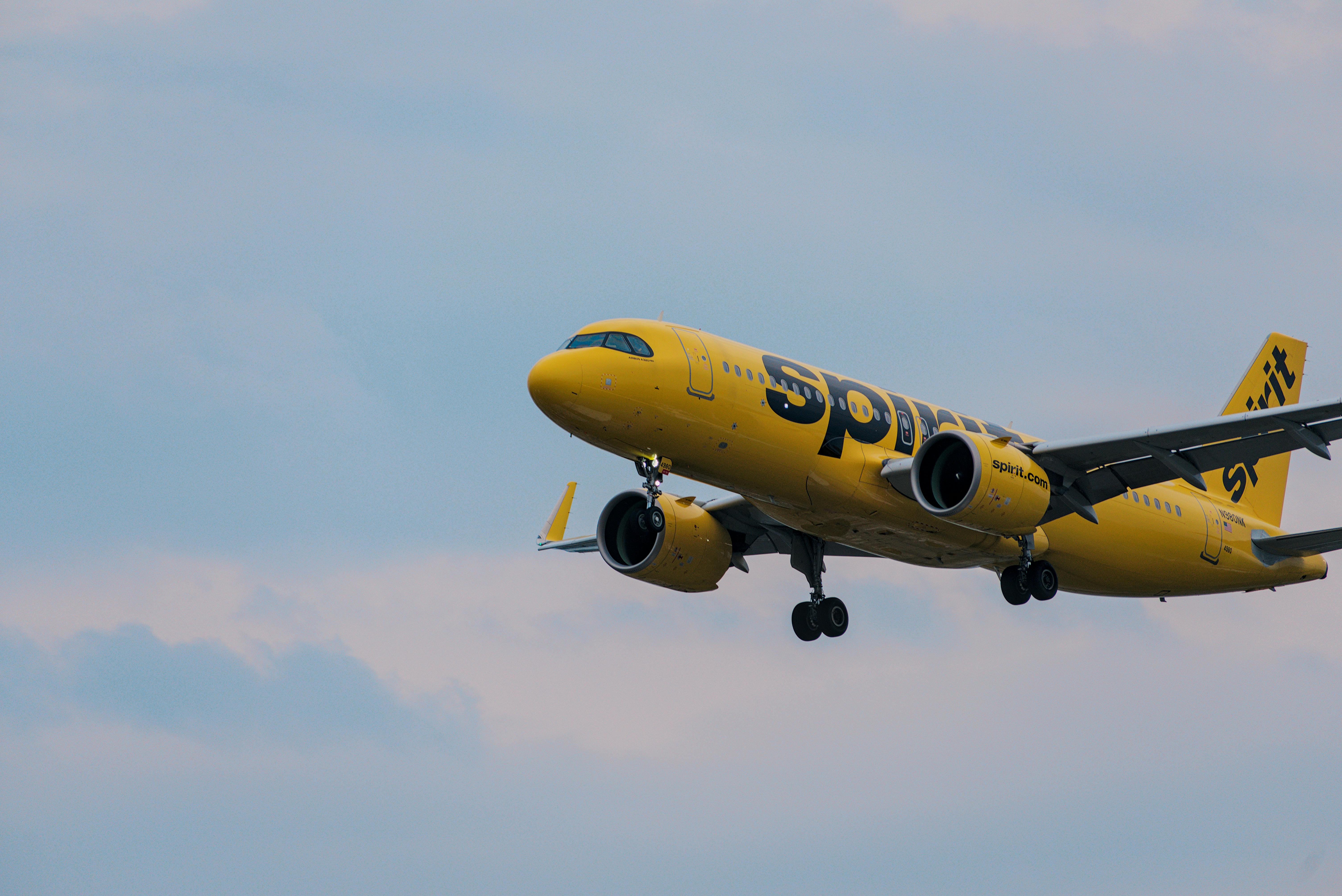
That is the heart of this story. Not the logo. Not the yellow paint. The numbers.
Core details and context
- All flights were canceled after the shutdown announcement, which left travelers to make alternate plans immediately.
- Customer service is no longer available, a serious issue for passengers trying to rebook, claim refunds, or sort out baggage concerns.
- Automatic refunds are being processed for some debit and credit card purchases, but passengers should still contact their bank or card issuer if funds do not appear.
- Fort Lauderdale-Hollywood International Airport is especially exposed because Spirit had a major presence there.
- Dania Beach headquarters underscores how deeply rooted the airline was in South Florida's economy.
- Employees face uncertainty, and airport contractors, vendors, and service workers may also feel the impact.
Most coverage will focus on stranded travelers. That is fair, but incomplete. The bigger issue is the knock-on effect through the broader aviation system. When a carrier disappears, gate assignments change, airport staffing patterns shift, and competitors gain room to raise fares. Yes, that is predictable. No, it is not especially pretty.
Spirit occupied a unique place in the market. It was not a premium airline. It was not even pretending to be. Its pitch was simple: low base fares, pay for what you use, and accept the tradeoff. That arrangement appealed to price-sensitive passengers, especially those who cared more about getting there than being pampered. In a rational market, such a company should have a viable niche. Yet niches can vanish when debt loads, fleet costs, and weak demand collide.
Spirit also sat in a sector that has been hit repeatedly by fuel swings, labor pressure, and consolidation. Larger carriers have better cushions. They have more frequent flyer loyalty, more business travel revenue, and more diversified route networks. Smaller low-cost carriers do not enjoy those advantages. They are exposed. Sometimes brutally so.
Here is the kicker: low prices alone do not make an airline healthy. They can hide fragility. If management cuts too deep, if the balance sheet carries too much debt, or if aircraft groundings and engine issues limit capacity, the model starts to crack. Add a softer consumer environment, and the whole setup can buckle fast.
I am skeptical of the usual corporate spin in moments like this. Companies often blame “headwinds” and “market conditions.” Sure. Sometimes those are real. But the honest question is whether leadership planned for bad weather or simply hoped it would pass. In this business, hope is not a financial strategy. Stewardship matters, because mismanaged capital eventually becomes someone else's problem: workers, passengers, and the public.
Spirit's shutdown also raises a policy angle. Aviation is not a toy industry. It affects commerce, tourism, mobility, and regional access. Regulators may not be able to save every failing airline, nor should they. But they do have to watch for consumer harm, refund failures, and predatory fare increases after a collapse. Public opinion will not be kind if stranded passengers get bounced between airlines and banks with no clear answer.
For consumers, the first step is boring but necessary: check your card, airline app, and bank statement. If you used a credit card, chargeback rights may help. If you booked through a third-party travel site, that adds another layer of mess. Because of course it does.
Reuters reported the immediate shutdown and the airline's refund statement. CNN also covered the operational halt and customer disruption. The Wall Street Journal has tracked the airline's broader financial strain. And The Associated Press has previously documented the carrier's financial and strategic troubles.
Timeline and what actually happened
- Spirit Airlines announced it was winding down operations effective immediately, rather than continuing normal service while seeking a buyer or emergency support.
- All flights were canceled, which instantly affected passengers already booked to fly that day or later.
- Customer service was shut off, leaving travelers to rely on banks, booking portals, or airport counters for whatever help remained.
- Refund processing began for some card purchases, at least according to the airline's statement.
- Airports and rivals began absorbing the shock, especially in markets where Spirit had a strong presence.
- Travelers shifted to other carriers, usually at higher prices, because airline pricing in a crisis does not care about your budget.
I have seen enough of these events to know the first 24 hours are chaos. People call, wait, refresh apps, and hope for a miracle. They do not get one. What they get is a headache, a receipt, and maybe a chargeback form.
The second phase is where the real damage shows. Hotels near airports see distressed travelers. Other airlines raise fares on suddenly tight routes. Airport authorities scramble to reassign gates. Workers wonder whether they will be paid, laid off, or rehired by someone else. Nobody puts that in the first headline, but it is where the story goes.
There is also a legal phase. Bankruptcy courts, if involved, will sort through creditors, aircraft leases, labor obligations, and claims from customers. That process is not fast, and it is not designed for emotional comfort. It is designed to determine who gets what and when. That is all. Any expectation of fairness beyond that should be realistic, not sentimental.
Spirit's downfall also resembles a broader pattern in U.S. aviation: consolidation favors scale, not scrappiness. Smaller carriers can survive only if they are efficient, lucky, and disciplined. Spirit had brand recognition, yes. It also had a business model that left little margin for error. When things went wrong, there was no cushion.

And when the cushion disappears, the landing is hard.
Comparison table
| Factor | Spirit Airlines | Major Network Competitor |
|---|
| Business model | Ultra-low-cost carrier with heavy fee-based pricing | Bundled fares with more services included |
| Route strategy | Price-sensitive domestic leisure travel | Broader domestic and international networks |
| Financial cushion | Limited, especially under debt pressure | Usually stronger balance sheets and loyalty revenue |
| Customer impact | Low base fares, but high disruption risk | Higher fares, but often more rebooking options |
| Market role | Downward pressure on fares | Ability to absorb demand after a competitor exit |
| Operational resilience | More exposed to shocks | More room to absorb shocks |
The comparison makes one thing obvious. Spirit's appeal was real, but brittle. Major carriers may not be beloved, and they certainly are not saints. Yet they have the cash flow to survive turbulence that can finish a smaller operator. That is not fairness. It is reality.
When consumers lose a low-cost option, the usual promise is that competition will force replacement offers. Sometimes that happens. Sometimes it does not. Pricing power tends to move toward the biggest survivors. That is why regulators and policymakers should pay attention. Human dignity is not served when necessity travel becomes unaffordable because one company failed and no one bothered to ask whether the market would keep serving ordinary people.
Common misconceptions and what to know
Misconception 1: This is just another airline delay story. No. A delay is an inconvenience. A shutdown is a structural failure. There is a difference, and it matters.
Misconception 2: Refunds will make everybody whole. Not even close. Refunds cover ticket costs, but not missed work, missed connections, hotel nights, or the higher fares many travelers may now pay to get home. The public often hears “refund” and thinks the problem is solved. It is not.
Misconception 3: Low-cost airlines are inherently unstable. Not exactly. Some low-cost carriers operate effectively for years. The problem is not the model alone. It is the combination of thin margins, debt, labor costs, fleet issues, and bad timing. A sound model can still be badly run.
Misconception 4: Larger airlines are better for consumers in every way. Also not true. They may be more stable, but they can charge more and offer less competition. When a low-cost player disappears, consumers often lose leverage. That is bad for families, students, small businesses, and anyone who watches the price of a plane ticket before booking.
The real story here is accountability. A company that depends on the public's trust owes the public a clean exit when things collapse. That means prompt refunds, clear communication, and some respect for the people left holding the bag. That's basic moral responsibility, not a gold star.
Here is another point most coverage skips: employees are not collateral damage. They are not a footnote. They are people with mortgages, rent, children, and medical bills. Any serious assessment of this shutdown should keep them in view, because work is not just labor for revenue. It is part of how people provide for families and contribute to the common good.
And yes, travelers should be angry. Not just disappointed. Angry in the ordinary, justified sense. If you bought a ticket, expected transportation, and got a shutdown instead, that is a breach of trust. Call it what it is.
Frequently Asked Questions
Will Spirit Airlines refunds be automatic?
According to the airline's statement, some debit and credit card purchases will be automatically refunded. Travelers should still check with their bank or card issuer, especially if they booked through a third party.
What should passengers do right now?
Check flight status, save receipts, contact your card issuer, and look for alternate travel options. If you need to travel immediately, book carefully and compare prices, because rivals may already have raised fares.
Will other airlines pick up Spirit routes?
Likely yes on at least some routes, but not instantly and not always at cheap prices. Competitors usually move in where demand is strong, then trim what does not pay.
What does this mean for Spirit employees?
It creates immediate uncertainty over pay, benefits, and job continuity. Workers will need clear communication from any bankruptcy or liquidation process, and local labor markets may absorb some, but not all, of the impact.
Why did Spirit fail?
The public story may point to one trigger, but failures like this usually come from several forces at once: debt, weak margins, pricing pressure, operational problems, and a business model with little room for error.
Most people want one villain and one fix. Real life rarely cooperates. Aviation failures usually come from a pileup of bad decisions and bad timing, with ordinary people stuck in the middle.
How can travelers protect themselves from this kind of disruption?
Use a credit card when possible, watch airline financial news if you are booking far in advance, and keep backup options for important trips. It is a sad little ritual, but there it is.
Should regulators step in more aggressively?
Only to the extent needed to protect consumers, enforce refunds, and ensure fair competition. They should not prop up every failing carrier. But they should make sure the public is not left with the whole bill.
Will this make airfare more expensive?
In some markets, yes. When a low-cost competitor disappears, prices often rise because the pressure to discount eases. That is why people notice these collapses even if they never flew the airline themselves.
Is this the end of ultra-low-cost flying in the U.S.?
Not necessarily. But it is a warning. The model survives only when companies keep costs tight, operations reliable, and debt manageable. That is harder than the ads make it look.
Can stranded passengers get help from the airport?
Some airports and local agencies may provide guidance, but they are not responsible for airline refunds. They can help with information and logistics, not miracle cures.
What if I paid with cash or a debit card?
Debit card buyers may get automatic refunds if the airline processes them successfully. Cash payments are harder, which is why travelers often prefer cards for major purchases like airfare.
Will Spirit come back later?
The statement says operations are winding down immediately, which points to a serious and likely terminal outcome. Any comeback would require major restructuring, financing, and legal clearance. That is a tall order.
Where does this leave South Florida?
It leaves a regional hole in passenger traffic and local economic activity. Fort Lauderdale and nearby communities will feel the ripple effect in jobs, airport services, and visitor flow.
What is the biggest lesson here?
Cheap fares are not the same thing as durable value. A company has to steward resources well enough to keep serving people when conditions turn rough. Otherwise the bill lands on everyone else.
What happened to Spirit Airlines?
Spirit Airlines shut down operations, canceled all flights, and stopped customer service, saying it had begun winding down global operations immediately.
Will I get my money back if I had a Spirit ticket?
The airline says it will automatically process refunds for some credit and debit card purchases, but travelers should also contact their bank or card issuer and monitor the account closely.
Why does Spirit's collapse matter beyond its own customers?
It affects competition, airfare pricing, airports, employees, and the broader aviation market. One airline's failure can raise costs for many people who never planned to fly it in the first place.
What should travelers do if they had a Spirit flight booked?
Check your booking status, save records, request refunds, and search for alternate travel on other carriers. If the trip is urgent, book early because prices may rise quickly.
Could another airline buy Spirit's assets?
Possibly, but that depends on legal, financial, and operational conditions. Assets can be sold, but that does not guarantee the airline itself will keep flying.
Spirit's shutdown is a reminder that commerce is not just about profit. It is about trust, service, and whether a company can keep its promises when times get hard. If it cannot, the fallout spreads fast. And it always spreads to people who had the least control over the outcome.
That is the part worth remembering.
In the end, the cheapest ticket is not always the cheapest choice. Sometimes it is just the first invoice.
The public will move on. Airports will reassign gates. Rival airlines will chase the routes. But the lesson should stick: a business that handles people’s travel must also handle its obligations with discipline, honesty, and a little humility. That is not sentimental. It is the bare minimum.