Two cyclists were struck early Monday morning in Aurora, and <strong>all southbound lanes of SR 99</strong> were blocked for more than two hours. That is the...
SR 99 Crash in Aurora: Why the Southbound Shutdown Matters After Two Cyclists Were Struck
Two cyclists were struck early Monday morning in Aurora, and all southbound lanes of SR 99 were blocked for more than two hours. That is the blunt fact. The bigger issue is not just the crash itself, but the pattern it exposes: fast traffic, vulnerable road users, and a road system that still too often treats human bodies like disposable obstacles.
Key Takeaways- Two cyclists were struck early Monday morning in Aurora.
- Southbound SR 99 was fully blocked for more than two hours.
- The closure likely caused major delays and rerouting through nearby streets.
- Crashes like this raise hard questions about road design, speed, visibility, and enforcement.
- The real story is not just congestion. It is public safety and the basic duty to protect life.
What is the SR 99 Aurora cyclist crash?
This was a serious traffic incident on State Route 99 in Aurora, involving two cyclists who were struck in the early morning hours. The southbound lanes were closed for more than two hours while emergency responders, investigators, and traffic crews handled the scene. That means this was not a minor fender-bender or a routine lane issue. It was a major disruption tied to a collision with vulnerable road users.
Frankly, the headline almost understates the point. A road is not just pavement and lane paint; it is a shared public space where the law, engineering, and human judgment collide, sometimes literally. When I look at crashes like this, I do not start with the traffic delay. I start with the people. Two cyclists were on the road, and now the question is how badly they were hurt, whether the roadway conditions made the crash more likely, and what officials can do so this does not happen again.
People often hear “road closure” and think only of inconvenience. That misses the moral order of the thing. In Catholic social teaching, the dignity of the person comes first, not throughput. A city earns its name when it protects the weak, the worker, the commuter, and yes, the cyclist trying to get through the morning alive. That is not sentimental. It is civic responsibility.
For broader regional traffic coverage, see our related reporting on World news events, our analysis of transport policy and government response, and our coverage of injury and emergency care issues. Those topics matter here because roadway crashes are never just transportation stories; they spill into public health, law enforcement, and local planning.
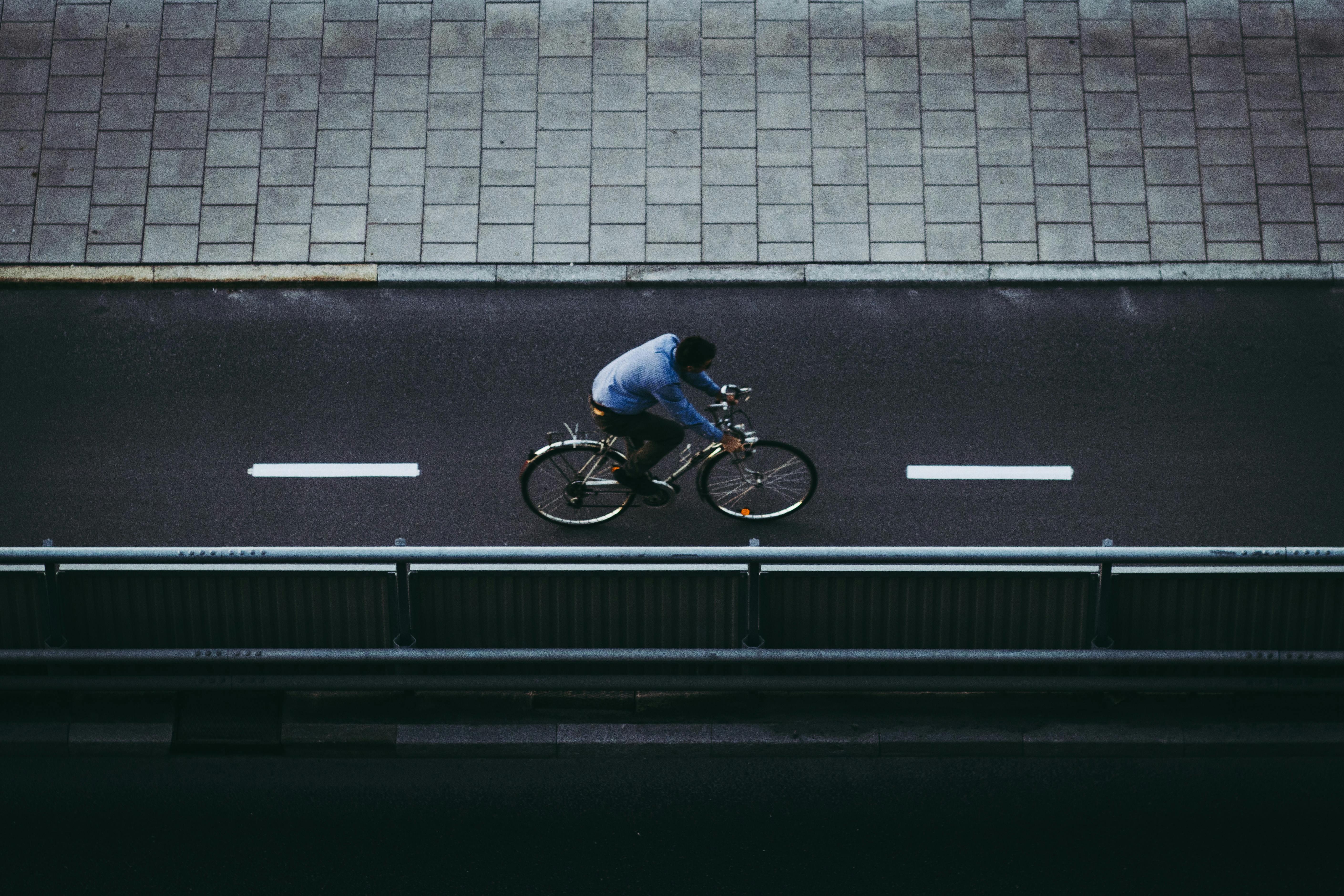
SR 99, like many heavily traveled arterial routes, carries commuter traffic, freight movement, and local access. Add cyclists into that mix without enough separation, lighting, or predictable behavior from drivers, and trouble follows. The truth is, most of these incidents are preventable in pieces, even if no single fix eliminates every risk. Reduce speed. Improve crossings. Enforce passing laws. Clear sight lines. Keep shoulders usable. Little things add up.
Core Details and context
- Location: Aurora, on southbound SR 99.
- Incident type: Two cyclists were struck.
- Timing: Early Monday morning.
- Traffic impact: All southbound lanes blocked for more than two hours.
- Likely response: Emergency medical response, law enforcement investigation, and traffic control.
- Public impact: Major delay, possible detours, and heightened concern for cyclist safety.
Here’s the kicker: when a roadway shuts down for this long after a crash involving cyclists, it usually means responders treated the scene as significant. That can include injury treatment, documentation, vehicle positioning, debris cleanup, and law-enforcement reconstruction. People who complain about “why it takes so long” usually have no clue what has to happen before lanes reopen. Evidence matters. So do the injured.
The broader context also points to a familiar problem. Roads designed mainly for cars tend to create risk for everyone else. Cyclists are especially exposed because they have no steel cage, no airbag, and no buffer against impact. A driver may walk away; a cyclist may not. That difference is not a footnote. It is the whole story.
I’ve covered enough crash reporting to know that the first public version of events is often incomplete. A driver may say the cyclist came out of nowhere. A witness may say visibility was bad. A police report may later show speed, impairment, distraction, or unsafe lane use. Sometimes the cause is obvious. More often it is a mix. That is why careful reporting matters more than instant certainty.
For readers tracking related regional issues, our reporting on traffic cameras and roadway tech helps explain how agencies reconstruct incidents. Our local infrastructure and commerce coverage shows how closures hit delivery schedules and commuters alike. And our public safety commentary addresses why “normal traffic” is not the same thing as “acceptable risk.”
The transportation system, at its best, should reflect justice in the plain sense: giving each road user what is due. Drivers need clear roads and sane signals. Cyclists need safe space and visibility. Police need the tools to investigate properly. Neighbors need streets that do not turn deadly before sunrise. That is stewardship, not buzzwords.
Timeline and step-by-step
- Early Monday morning: The crash occurred on southbound SR 99 in Aurora.
- Immediate response: Emergency personnel arrived to treat the scene and manage traffic.
- Lane closure: All southbound lanes were blocked.
- Investigation: Law enforcement likely examined vehicle positions, cyclist locations, roadway markings, and possible contributing factors.
- Traffic disruption: Detours and backups developed until the road reopened.
- Reopening: More than two hours later, lanes were cleared and traffic resumed.
That is the straightforward version. The messy version is usually more revealing.
When I analyze these timelines, I look for what happened before the crash, not just after. Was it still dark? Was there fog, drizzle, or glare? Were the cyclists riding with proper lights and reflectors? Was a driver distracted, fatigued, or speeding? Did the road have a shoulder, and if so, was it actually usable? Was there construction, debris, or poor lane marking? Those details often determine whether an incident is a tragic anomaly or a predictable outcome.
Here is what nobody tells you: a two-hour closure is also a sign that the scene needed careful handling. That slows everyone down, sure. But rushing it would be worse. Crashes involving cyclists often involve questions of right-of-way, visibility, and physical evidence that can vanish in minutes. Tire marks fade. Debris gets moved. Witnesses leave. Waiting hurts traffic, but sloppy investigation hurts justice.
A practical step-by-step breakdown of how these scenes usually unfold:
- Securing the roadway: Police block lanes to prevent secondary crashes.
- Medical triage: Paramedics assess injuries and move patients as needed.
- Scene documentation: Photos, measurements, and statements are gathered.
- Traffic management: Detours are posted and updated.
- Cleanup and clearance: Debris and damaged items are removed.
- Reopening: Lanes reopen once the road is safe.
If the crash data later becomes public, it may help answer whether this was a hit-and-run, a visibility issue, or a driver error. Until then, speculation is cheap. Facts are not.

The public often wants a single villain. Road safety is rarely that tidy. Sometimes the driver is reckless. Sometimes the cyclist is poorly lit. Sometimes the road itself is a bad design dressed up as routine infrastructure. Most serious crashes are not born from one mistake, but from a chain of bad conditions. Break one link and you may save a life.
Comparison table
| Factor | SR 99 in Aurora | Typical safer bike route or protected corridor |
|---|
| Traffic separation | Often limited or mixed with fast vehicle traffic | Physically separated from vehicles |
| Speed environment | Higher speeds, more impact risk | Lower speeds or traffic calming |
| Cyclist exposure | Greater exposure to passing vehicles | Lower exposure due to buffers/barriers |
| Crash severity potential | High | Lower |
| Closure impact after crash | Major lane blockage, long delays | Usually less disruption |
| Public safety outcome | Dependent on driver behavior and road design | Better odds of preventing severe injury |
| Infrastructure priority | Vehicle throughput first | Human safety first |
Let’s be real. This table is not some academic exercise. It shows why the same crash on a different road can have a different outcome. A protected route does not make injury impossible, but it changes the odds. That is what responsible planning is supposed to do: bend the odds toward life.
The contrast with a safer corridor also exposes a common excuse. Some officials act as if heavy traffic and cyclist danger are just the price of urban mobility. Nonsense. Countries and cities that take safety seriously do not shrug and call death “unfortunate.” They redesign. They enforce. They invest. They measure results. The common good demands nothing less.
For readers interested in how transportation systems are financed and prioritized, our infrastructure spending coverage tracks the dollars behind road changes. Our smart traffic systems reporting looks at sensors, signals, and alerts. And our international road safety coverage shows that this is not a uniquely local failure; it is a recurring public policy problem.
The biggest competitor to SR 99, in safety terms, is not another road. It is a well-designed protected route that keeps people alive. That is the standard. Anything else is just moving vehicles faster while hoping for mercy.
Common misconceptions and what to know
One common myth is that a crash involving cyclists is automatically the cyclist’s fault. That is lazy thinking. Sometimes cyclists do make mistakes, and if that turns out to be the case here, it should be reported honestly. But the reflex to blame the more vulnerable road user first is a nasty habit in road reporting, and it distorts public understanding.
Another misconception is that a road closure means chaos and therefore incompetence. Not necessarily. A two-hour blockage can be the right call if investigators need to preserve evidence or if medics need room to work. People who complain about “traffic first” usually forget that the injured are people, not inconveniences.
There is also a habit of treating cyclist crashes as isolated weirdness. They are not. They are part of a larger system shaped by speed, design, enforcement, and habits. If a road repeatedly produces close calls, it is not cursed. It is mismanaged.
Here is the truth in plain English:
- Visibility matters. Dawn and low light increase risk.
- Speed matters. Faster impact means worse injury.
- Separation matters. Painted lines are not the same as protection.
- Enforcement matters. Laws without enforcement are decoration.
- Infrastructure matters. Design can prevent or invite harm.
Most coverage misses the real story because it stops at the event. A crash is not just a crash. It is evidence about a system. When I read reports like this, I want to know whether leaders will treat it as an unfortunate one-off or as a warning shot. That distinction matters.
A sober view also means avoiding cheap moral theatrics. Not every motorist is a menace, and not every cyclist is a saint. Human beings are flawed. The goal is not to declare one side righteous and the other corrupt. The goal is to build streets where ordinary human weakness does not turn deadly. That is a very old idea, and it is still ahead of many agencies.
If you want a wider context on prevention and response, see our reporting on trauma care and emergency response, plus our government accountability coverage on road funding and safety oversight. For local mobility issues, our commuter and freight analysis shows how one closure can ripple through an area for hours.
Frequently Asked Questions
What happened on SR 99 in Aurora?
Two cyclists were struck early Monday morning, and all southbound lanes were blocked for more than two hours while responders handled the scene and investigators examined what happened.
Why was SR 99 closed for so long?
Closures after serious crashes often last longer because police and emergency crews must treat injuries, secure the scene, collect evidence, and clear debris before reopening the roadway.
Were the cyclists injured?
The available report says they were struck, but it does not provide a detailed injury update. In incidents like this, official follow-up is what determines the full extent of harm.
What should drivers and cyclists take from this?
Drivers should slow down, watch for vulnerable road users, and avoid distraction. Cyclists should use lights, visible clothing, and predictable lane behavior. But the larger lesson is system design: roads should be built to reduce the chance that a mistake becomes a tragedy.
The biggest mistake people make after a crash like this is pretending the road itself is neutral. It is not. Roads shape behavior. They reward speed, patience, attention, or recklessness depending on how they are built and policed. If a street routinely puts cyclists at risk, then the street is part of the problem.
I have covered enough of these stories to be wary of easy answers. Yet one thing is plain: a just city does not ask the vulnerable to absorb all the danger so everyone else can shave a few minutes off a commute. That is a bad bargain, morally and practically.
The better approach is old-fashioned and sensible. Design for restraint. Enforce the rules. Tell the truth about risk. Protect human life first. That is not radical. It is civilization.
Final thought
A two-hour closure on SR 99 may read like a traffic note, but the deeper meaning is harder to ignore. Two cyclists were struck, lanes were blocked, and a community was reminded that road safety is not a slogan. It is a duty. Every driver, every planner, every official inherits that duty whether they like it or not.
The useful question is not whether the morning was disrupted. Of course it was. The useful question is why the road system still allows a collision like this to become a predictable headline. I do not think the answer is mysterious. Speed is too high. Separation is too thin. Enforcement is too uneven. And too often, the people who move through a city on foot or by bike are treated as afterthoughts.
That is the kind of failure a decent society should not shrug off. Roads are public trusts, not just asphalt. They ought to reflect stewardship, justice, and the basic truth that human beings are not expendable. If Monday’s crash leads to better design, stricter enforcement, and more respect for life, then some good may come from a bad morning. If not, we will be reading the same report again.