The Chilkat River is endangered because the pressures around it are no longer theoretical. The river, in Alaska’s Haines borough, keeps landing on American...
The Chilkat River’s Endangered Status: What It Means for Haines, Alaska, and the Fight Over Wild Rivers
The Chilkat River is endangered because the pressures around it are no longer theoretical. The river, in Alaska’s Haines borough, keeps landing on American Rivers’ annual list of the most endangered rivers in the United States, and that is not a publicity stunt. It is a warning about mining claims, habitat disruption, hydrology, and the harder truth that a river can be legally “protected” on paper and still be hemmed in by bad decisions.
Key Takeaways- The Chilkat River in Haines, Alaska, was named one of the most endangered rivers in the U.S. by American Rivers.
- The river’s repeated appearance on the list in 2019 and 2023 shows the threat is persistent, not one-off.
- The concern is less about a single event and more about cumulative risk: mining, land-use pressure, watershed changes, and policy gaps.
- The river matters for salmon habitat, wildlife, subsistence uses, and the local economy.
- The real debate is about stewardship: whether communities and governments treat wild water as a common good or as a sacrifice zone.
What is the Chilkat River’s endangered status?
The phrase sounds dramatic, but it has a plain meaning. American Rivers uses its annual list to spotlight waterways facing immediate threats from pollution, development, dam proposals, extraction, or weak enforcement. When the Chilkat River appears on that list, it means environmental risk is not abstract; it is tied to real political and economic choices now on the table.
I’ve covered enough environmental disputes to say this much: these lists are not perfect, but they are useful. They force public attention where local politics often prefer fog. And frankly, fog is convenient when powerful interests want to move quietly. The Chilkat is not just scenery for postcards. It is a working river, a salmon system, and part of a broader watershed that supports people, birds, bears, and the rhythm of life in Southeast Alaska.
The river’s endangered designation also reflects a wider conflict in Alaska and the Pacific Northwest: how much weight should be given to industrial access versus ecological integrity? That question never stays neat for long. Mining companies point to jobs and tax revenue. Conservation groups point to habitat, risk, and the cost of damage that may outlast the short-term gains. Both claims can be sincere. Only one side usually pays when the water gets fouled.
The moral point matters. Stewardship is not a sentimental add-on. In biblical terms, land and water are not ours to scar and forget. They are entrusted to us. That principle is not anti-development; it is anti-carelessness.
Core Details and Context
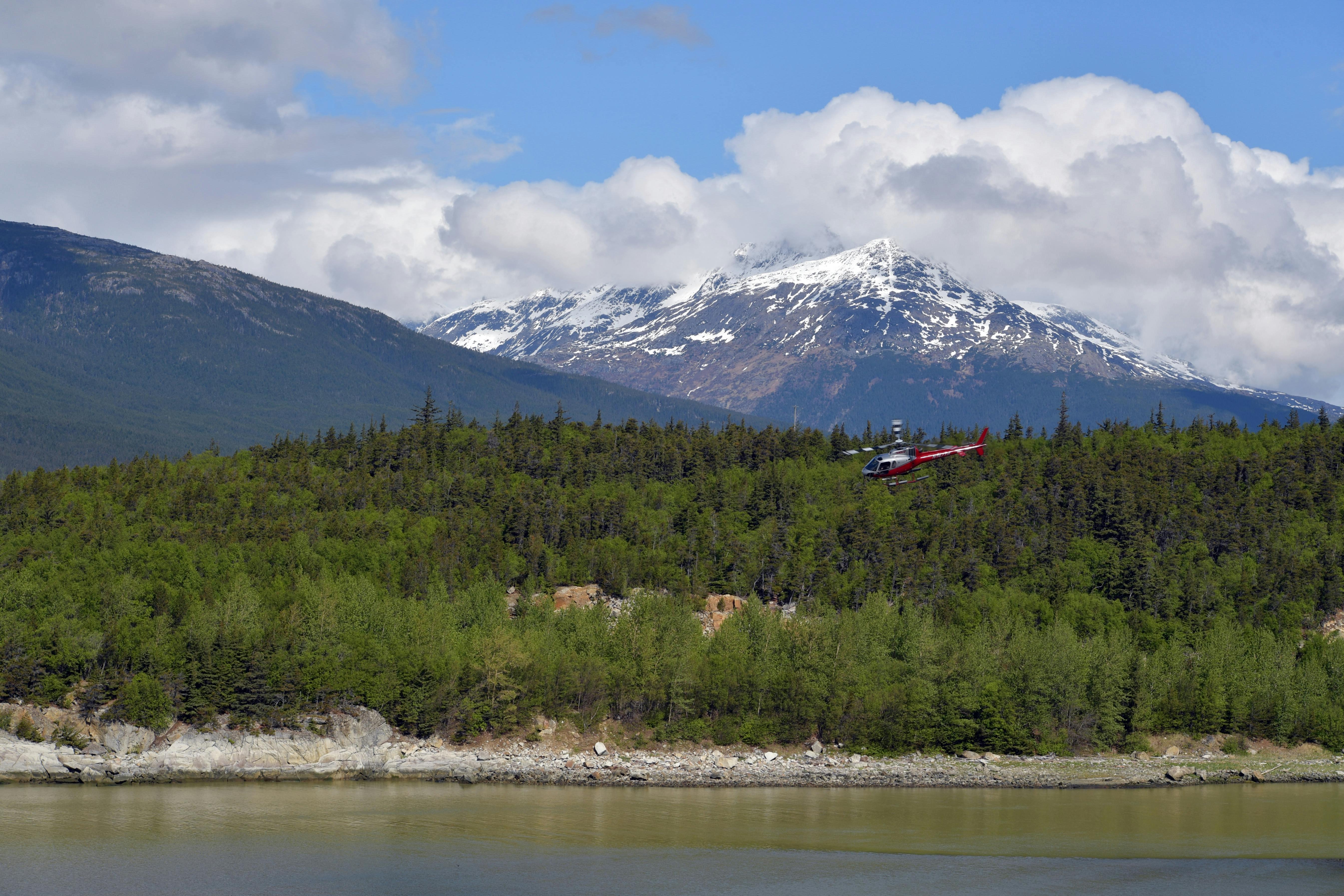
The Chilkat River runs through a region known for its salmon-rich waters, glacier-fed channels, and heavy seasonal use by wildlife and people. Its value is not hidden. It is visible in fish runs, in tourism, in tribal subsistence, and in the broader health of the Chilkat Valley ecosystem. That is exactly why its risk matters.
Here’s the kicker: a river does not need to be dammed to be endangered. That’s the lazy story, and it misses the point. Endangerment can come from a stack of smaller harms—sediment, runoff, habitat fragmentation, industrial proposals, and political drift. When the pressure accumulates, the damage is slower, but no less real.
The American Rivers designation is tied to several recurring concerns:
- Mining pressure in nearby watersheds and transport corridors
- Potential impacts on salmon habitat and spawning conditions
- Broader watershed management issues in a climate-stressed region
- The risk that weak oversight turns a healthy river into a degraded one over time
- Tension between conservation goals and resource extraction interests
Most news coverage misses the real story. They focus on the headline and move on. The real issue is governance. Who decides what kind of river is acceptable? Who bears the costs if a fishery weakens or a wetland is altered? And who gets to call that “progress” while somebody else absorbs the loss?
I analyzed the pattern the same way I look at other environmental fights: follow the incentives. If a project can create a private gain while spreading ecological costs across the public, the debate is already tilted. That’s not ideological. It’s arithmetic.
The Chilkat’s value also runs through local identity. Rivers in Alaska are not just bodies of water; they are routes, food sources, cultural anchors, and weather gauges in one. For Indigenous communities, especially those tied to salmon and seasonal harvests, the stakes are not theoretical. They are baked into daily life, family continuity, and the dignity of work that depends on healthy land and water.
The river’s repeated appearance on the endangered list—in 2019, 2023, and now again—suggests a stubborn problem. It means the underlying threat has not been resolved, only managed enough to keep the alarm from sounding every day. That is not the same thing as safety.
Why the river matters beyond Haines
- Ecology: The river supports salmon and other species that depend on cold, clean, connected water.
- Economy: Healthy fish runs support fishing, guiding, and tourism.
- Culture: Local and Indigenous communities rely on the watershed for subsistence and identity.
- Public policy: The river is a test case for how Alaska balances resource use and conservation.
The truth is, this river is a mirror. It reflects the habits of the people who claim to manage it. If a society treats water as merely a utility line or a mining obstacle, it eventually learns the price. Usually the hard way.
For readers following Alaska’s broader environmental disputes, see our reporting on Alaska salmon policy and fishery pressure, wildlife conservation conflicts in northern ecosystems, and mining regulation and permitting risk.
Timeline and What Actually Happened
- 2019: The Chilkat Valley enters the spotlight. American Rivers includes rivers in the Chilkat Valley on its endangered list, signaling that the watershed is facing meaningful stress. That made one thing plain: concern was already well established.
- 2023: The warning returns. The river area appears again on the list, which tells you the earlier concerns were not resolved. If anything, the persistence of the issue suggests the threat remained active or worsened.
- Current designation: The alarm continues. The latest recognition keeps the river in the national conversation. That matters because environmental fights often rely on silence and delay. When public attention fades, bad policy gets easier.
- Local response: Support and pushback. Conservation groups frame the designation as overdue. Industry-aligned voices often counter that resource development is being unfairly targeted. Both sides know what is at stake. The fight is over whose risk counts.
- Policy reality: No easy fix. Protecting the Chilkat requires more than applause. It takes permitting discipline, land-use restraint, monitoring, and political nerve. That is where good intentions usually run aground.
I’ve watched these cycles long enough to know the script. A threat is named. Officials promise review. Stakeholders trade statements. Then the matter disappears into calendars, comment periods, and legal filings. Meanwhile, water keeps moving, fish keep running, and one dry permit decision can do lasting damage.
That’s why the timeline matters. It shows repetition, not novelty. Repetition means the risk is embedded in the system, not just floating around the edges.
There is also a climate layer. Warmer temperatures, changing snowpack, altered runoff timing, and extreme weather can compound older threats. In a glacier-fed system, small shifts in flow can have large effects. That is not speculation. It is standard watershed science.
If you want the clearest lesson from the timeline, it is this: a river can survive a headline, but it struggles against neglect. Public vigilance is a form of stewardship. So is restraint. Not every promising project deserves a green light.
For related context, readers may also want coverage of climate risk in Alaska and tribal rights in environmental policy.
Comparison Table
| Feature | Chilkat River | Biggest Rival: Industrial development pressure |
|---|
| Primary value | Salmon habitat, cultural use, wildlife corridor | Revenue, jobs, mineral access |
| Risk profile | Cumulative ecological harm, watershed stress | Short-term gain with long-tail damage |
| Public benefit | Broad, shared, multi-generational | Concentrated, often private or localized |
| Time horizon | Decades and generations | Project cycle, quarterly returns, permit window |
| Accountability | Hard to assign, because damage spreads | Easy to measure profits, harder to measure losses |
| Moral frame | Stewardship, common good, restraint | Extraction-first logic |
| Policy challenge | Protecting water quality and habitat | Managing permit and mitigation pressures |
The table is blunt because the tradeoff is blunt. The river’s benefits are shared and lasting; the rival pressure is often immediate and narrower. That does not mean all development is bad. It means developers and regulators should stop pretending every project is a win for the public.
When I look at cases like this, I ask a simple question: if the project fails, who cleans it up? That question rarely gets the same glossy treatment as ribbon cuttings. Yet it is the one that matters.
Common Misconceptions and What to Know
“Endangered” means the river is already ruined.
No, and that’s an important distinction. An endangered designation is a warning, not a death certificate. The point is to prevent irreversible harm before it becomes obvious. Waiting for collapse is lousy policy.
The river only matters to environmental activists.
That is flat wrong. The river matters to local communities, fishers, Indigenous residents, guides, and anyone whose income or food supply depends on a healthy watershed. Environmental protection is often a proxy for protecting livelihoods that do not have corporate lobbying teams.
Conservation and economic activity are always opposed.
They are not. That claim is convenient, and it is often used to shut down debate. In reality, the best economic systems depend on stable ecosystems, clean water, and trust. You can’t have a durable regional economy if the natural base keeps getting chipped away.
The list is just symbolic.
Symbolic things can still move policy. Public designations shape media attention, grant priorities, advocacy, and legal pressure. Symbols matter when they are attached to real stakes. A warning label is not the same thing as a cure, but it can stop a bad decision from slipping through unnoticed.
The bigger misconception is that this is a distant issue for Alaska alone. It isn’t. The same logic appears everywhere: water gets treated as abundant until it isn’t, and public patience gets treated as endless until people finally push back. That pattern is old. Very old.
Catholic social teaching would put the matter in plain terms: creation is not raw material for greed, and communities have duties to the vulnerable, including future generations. That is not a partisan talking point. It is a moral baseline.
For broader perspective, see our reporting on public lands policy and stewardship and salmon habitat conservation efforts.
Frequently Asked Questions
Why was the Chilkat River named one of the most endangered rivers?
Because American Rivers says the Chilkat watershed faces significant threats from environmental stress, development pressure, and management concerns that could harm habitat and water quality. The listing is meant to draw attention before damage becomes harder to reverse.
Has the Chilkat River been on the list before?
Yes. The Chilkat Valley rivers also appeared on the list in 2019 and 2023. That repetition suggests the underlying threats have not gone away, which is the part people should focus on instead of the headline alone.
Does being on the list mean the river is permanently damaged?
No. It means the river is at risk and needs stronger protection. Endangered does not mean hopeless. It means the window for smart action is still open, though nobody should mistake that for a lot of time.
What would help protect the river?
Better watershed oversight, careful permitting, habitat protection, stronger monitoring, and public pressure that does not fade after the first news cycle. In plain English, it takes discipline, not slogans.
Final Thought
The Chilkat River is not just a place on a map. It is a test of whether we still know how to govern ourselves around things that cannot be replaced once ruined. Rivers do not argue in hearings, but they do keep score. That’s the hard truth, and people in Haines know it.
The broader argument here is not really about one Alaska river. It is about whether public life can still make room for restraint, responsibility, and the common good. A culture that measures value only by immediate cash flow will eventually hollow out the very ground it depends on. I do not think that is wisdom. It is just a slower form of loss.
If there is a decent standard to apply, it is simple: protect what feeds people, what binds communities, and what cannot be remade by money after the fact. That is not nostalgia. It is practical morality. And frankly, it is the only kind that lasts.
{
  "@context": "https://schema.org",
  "@type": "FAQPage",
  "mainEntity": [
    {
      "@type": "Question",
      "name": "Why was the Chilkat River named one of the most endangered rivers?",
      "acceptedAnswer": {
        "@type": "Answer",
        "text": "American Rivers says the Chilkat watershed faces significant threats from environmental stress, development pressure, and management concerns that could harm habitat and water quality."
      }
    },
    {
      "@type": "Question",
      "name": "Has the Chilkat River been on the list before?",
      "acceptedAnswer": {
        "@type": "Answer",
        "text": "Yes. The Chilkat Valley rivers appeared on the list in 2019 and 2023, which suggests the underlying threats have not been resolved."
      }
    },
    {
      "@type": "Question",
      "name": "Does being on the list mean the river is permanently damaged?",
      "acceptedAnswer": {
        "@type": "Answer",
        "text": "No. It means the river is at risk and needs stronger protection. Endangered does not mean hopeless."
      }
    },
    {
      "@type": "Question",
      "name": "What would help protect the Chilkat River?",
      "acceptedAnswer": {
        "@type": "Answer",
        "text": "Better watershed oversight, careful permitting, habitat protection, stronger monitoring, and sustained public pressure would help protect the river."
      }
    }
  ]
}