A housing agreement is taking shape in Thurston County. It centers on 70 units, split between 35 studios and 35 one-bedroom apartments, with money expected...
Thurston County Housing Deal Could Fund 70 Units Across Three Cities
A housing agreement is taking shape in Thurston County. It centers on 70 units, split between 35 studios and 35 one-bedroom apartments, with money expected from three cities and the county itself. The setup sounds modest until you look at the shortage behind it, because small projects like this often carry the weight of larger public policy failure.
Key Takeaways- The project would add 70 total units: 35 studios and 35 one-bedroom homes.
- Funding would come from three cities and Thurston County.
- The deal is part of a broader response to housing scarcity, not a one-off gesture.
- The real issue is not the ribbon cutting. It is whether local governments can keep paying for enough units to matter.
What is this housing project?
This is a public funding agreement for a multi-unit housing development in Thurston County, built around a simple arithmetic that is hard to ignore: 70 apartments, mostly compact units, aimed at people who need lower-cost places to live. The mix of studios and one-bedrooms is a clue. It points to a project designed for singles, small households, and people on tighter incomes, not a luxury build with granite counters and glossy promises.
I’ve covered enough local government stories to know that the real fight is usually not about the headline number of units. It is about who pays, who benefits, and whether elected officials can keep their eyes on the common good when budgets get tight. Housing is not a decorative policy. It is a basic part of human dignity, and when governments ignore that, they end up paying later in homelessness, overcrowding, and lost work hours.
Frankly, that matters more than the usual press release language. A 70-unit project will not fix a countywide shortage by itself. But it can still be useful, especially if it comes online without endless delay. Small projects can be the stubborn bricks in a wall that should have been built years ago.
The project matters because it sits at the intersection of housing policy, regional funding, and local government coordination. Three cities and Thurston County would split the bill. That is notable. Regional housing work often stalls because each city wants the benefits without the expense. This time, the jurisdictions appear willing to share the cost, which suggests they understand the pressure on the market conditions, even if public rhetoric stays cautious.
For background on local planning and public finance, readers may also want to review related coverage like local government funding decisions, broader trends in regional housing costs, and policy debates around housing affordability. Those reports help frame why even a modest project can become politically loaded.
What actually is being proposed?
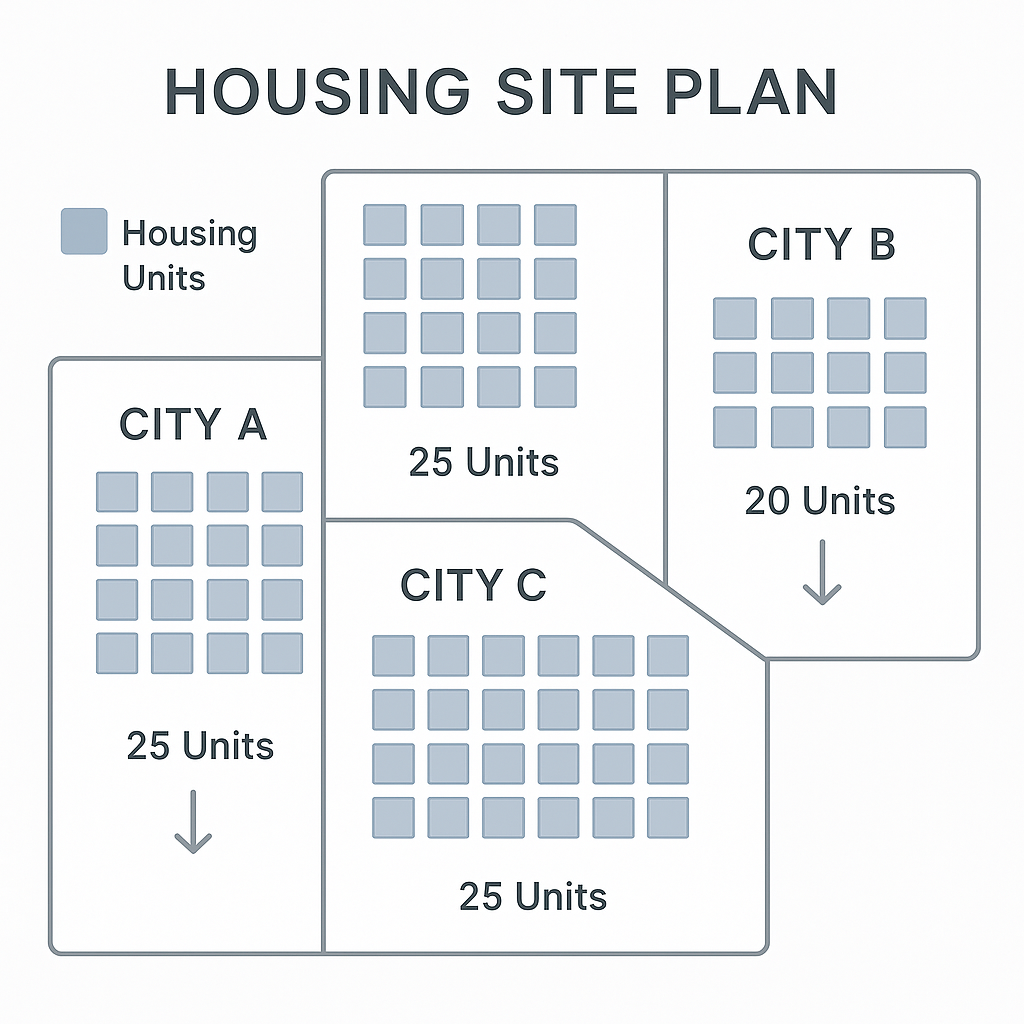
The proposal centers on 35 studios and 35 one-bedroom units. That split is not random. It usually signals a strategy to serve people who need smaller, more affordable homes near jobs, transit, or services. In plain English, the project is likely aimed at people who cannot keep up with rent growth in larger apartments.
The funding piece is the more interesting part. Three cities and Thurston County would participate, which tells us the project is being treated as a regional need rather than a single-city problem. That is the right instinct. Housing shortages do not respect city limits. Workers live in one place, commute from another, and get priced out of a third. Public money has to follow that reality.
Core details and context
- Unit mix: 35 studios and 35 one-bedroom units.
- Funding partners: Three cities plus Thurston County.
- Likely purpose: Expand lower-cost housing options for smaller households.
- Policy angle: Regional cooperation, since housing shortages spill across city borders.
- Public value: Adds inventory in a market where even modest units are scarce.
The more important question is whether this project is being sized to the actual need. Studios and one-bedrooms are often the fastest way to create relatively affordable homes, but they are not a cure-all. Families need larger units. Seniors need accessible design. Workers need transit access. A healthy housing strategy has to be broader than one type of apartment.
Still, the mix is practical. Practical beats theatrical. Most people do not need a grand speech; they need rent they can survive.
The project also raises a stewardship issue. Public money is not endless. When local governments commit funds, they should be able to explain why this project, why this site, and why now. That is not just fiscal prudence. It is a moral obligation, because every dollar spent on one project is a dollar not spent somewhere else. Good government respects that tradeoff instead of pretending it does not exist.
Timeline and how these deals usually happen
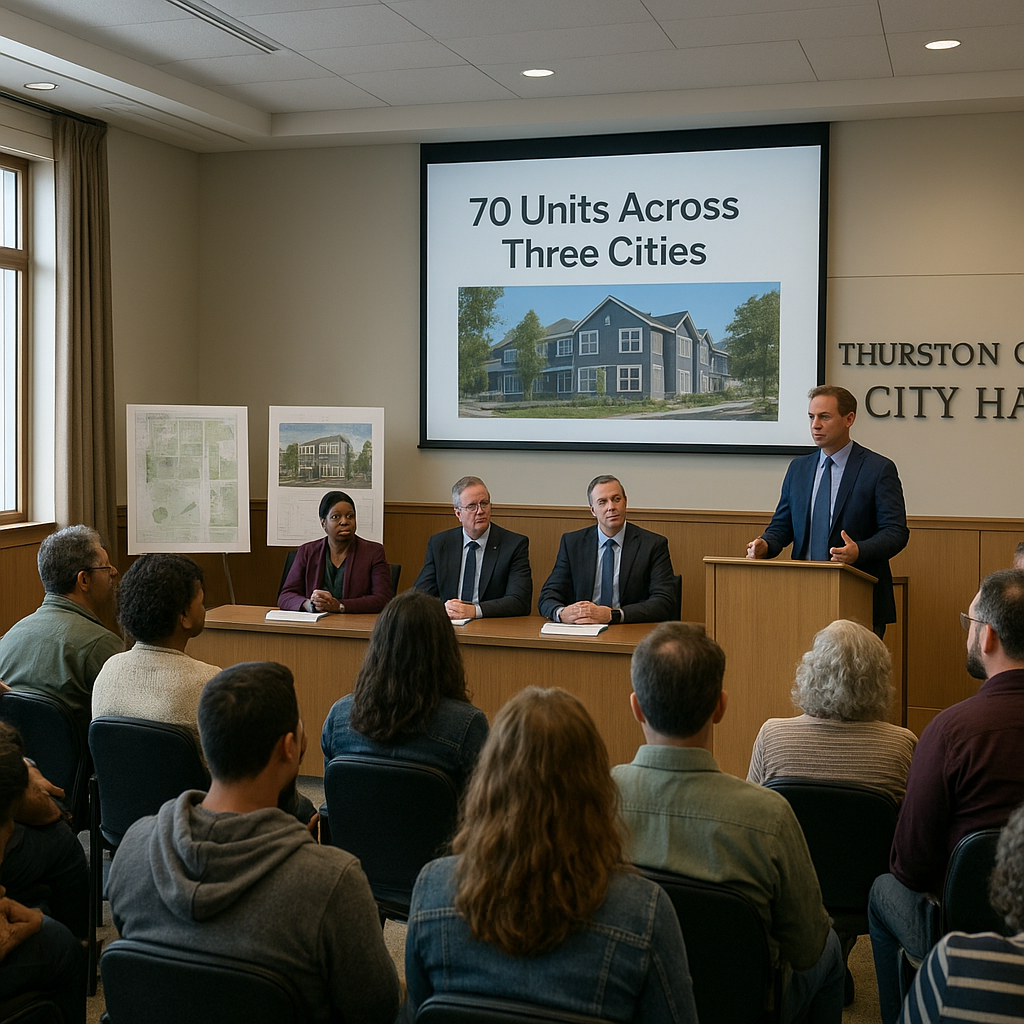
- Need is identified. Local officials and housing staff recognize that rents are rising and vacancy remains tight.
- A project is assembled. Developers, housing providers, and public agencies work out a unit mix and financing structure.
- Cities and county negotiate. Each jurisdiction decides whether to contribute money and how much political risk to accept.
- Public review follows. Councils, commissions, and advisory boards debate the plan, usually with familiar concerns about cost and fairness.
- Funding agreement is approved. If enough leaders support it, the money is committed.
- Construction and compliance begin. The project then has to stay on schedule and meet affordability requirements.
When I analyzed similar local housing deals, the same pattern kept showing up: the hardest part is not the first announcement. It is maintaining momentum through permitting, financing, and public skepticism. A project can look simple on paper and still get bogged down by land use rules, procurement delays, or a council member’s sudden concern about “timing.” That word does a lot of damage.
Here’s the kicker. The public often hears about housing only when prices become unbearable. By that point, the repair is already expensive. Local governments are then forced to choose between incremental projects like this one and far costlier emergency responses like shelters and short-term vouchers. A steady supply of modest units is usually cheaper than reacting after the fact.
That is why the timeline matters. If the agreement is delayed, the cost of delay is not abstract. It lands in real households. That is true whether the units are built for workers, seniors, or people barely hanging on between paychecks.
For readers tracking similar public financing efforts, see also regional public policy reporting, housing coverage in the Northwest, and HUD policy updates for broader federal and regional context.
Comparison Table
| Factor | Thurston County Project | Typical Larger Market Competitor |
|---|
| Total units | 70 | Often 100+ |
| Unit types | 35 studios, 35 one-bedrooms | Mixed, often more family-sized units |
| Funding model | Three cities plus county | Usually one city, private capital, or state-backed mix |
| Likely target | Smaller households, lower-income renters | Broader renter base |
| Speed potential | Faster if financing is settled | Can be slower due to scale and complexity |
| Public impact | Modest but concrete | Larger, but harder to coordinate |
| Political challenge | Getting multiple governments to agree | Managing one large jurisdiction or market partner |
The comparison shows the basic tradeoff. Bigger projects can add more supply, but they often move slower and bring more financing risk. Smaller regional projects can be easier to align, especially when multiple public bodies split the burden. That does not make them glamorous. It makes them usable.
Common misconceptions and what to know
The usual coverage of housing projects misses the real story. It focuses on the ribbon cutting, the press quote, and the promise of “affordable units,” as if those words settle the matter. They do not.
Misconception one: Any new housing automatically solves affordability. Not true. New supply helps, but it has to be enough supply, in the right place, at the right price point. A 70-unit project is helpful, but it is still only one piece of a larger shortage.
Misconception two: Studios are just bare-bones apartments for temporary use. That is lazy thinking. Studios can be the best option for many people, especially single workers, seniors, and people downsizing after life changes. Dignity does not require excess square footage.
Misconception three: Public funding is wasteful by definition. That depends on the result. If public money helps create stable housing for residents who would otherwise be priced out, then it serves the public good. Waste happens when projects are badly designed, poorly monitored, or dragged out by political vanity.
Misconception four: Regional cooperation is easy once everyone agrees housing is a problem. Nope. Agreement on the diagnosis does not equal agreement on the bill. That is where local politics gets messy. Every city wants affordability, fewer tent encampments, and less commute pressure, but nobody wants to feel like they paid more than the neighbor down the road.
The truth is, this kind of funding arrangement only works when leaders accept a hard but simple principle: housing is shared infrastructure. It benefits employers, schools, transit systems, and families. The people who live there are not just numbers on a spreadsheet. They are neighbors, workers, and, if we’re being honest, the reason local economies keep moving.
I’ve seen too many officials treat housing as a symbolic issue. It is not symbolic. It is material. It shapes whether a teacher can live near school, whether a nurse can afford a second car, whether a young adult can stay in the county after college, and whether older residents can age in place without becoming financial casualties.
Frequently Asked Questions
What does this project include?
It includes 70 units total, divided into 35 studios and 35 one-bedroom apartments. That unit mix suggests a focus on smaller households and lower-cost housing options.
Who would fund the project?
The agreement would involve funding from three cities and Thurston County. That kind of regional split is often used when a housing need crosses city boundaries.
Why does the unit mix matter?
Because studios and one-bedroom units are typically cheaper to build and rent than larger apartments. They can help serve renters who do not need or cannot afford more space.
Will this solve the housing shortage?
No. Let’s be real. Seventy units is meaningful, but it is not enough to fix the whole problem. It is one useful piece of a much larger response.
Final thought
This is the kind of housing deal that rarely gets the attention it deserves. It is small enough to be dismissed, yet concrete enough to matter. That is often how public service works at its best: not with grand speeches, but with careful, shared responsibility and a willingness to spend money where the need is real.
The broader lesson is plain. Housing policy is not just about units. It is about whether local governments treat people as burdens or as neighbors worthy of stable shelter. When public officials put together a regional funding agreement like this, they are making a judgment about the common good. That judgment deserves scrutiny, certainly, but it also deserves fairness.
If this project moves forward, the real measure will not be the announcement. It will be whether the apartments get built, rented, and used by people who need them. That is the standard. Everything else is just talk.