A torch lighter assault is not a prank. It is an act that can maim, terrify, and leave lasting harm, especially when the target is a deaf woman who may not...
A torch lighter assault is not a prank. It is an act that can maim, terrify, and leave lasting harm, especially when the target is a deaf woman who may not hear warning sounds or verbal threats in time. The arrest of a 24-year-old man after police say he nearly burned her face with a torch lighter capable of reaching 2,500 degrees is a blunt reminder that public safety fails fast when violence is treated like noise.
Key Takeaways
- A 24-year-old man was arrested after a reported torch lighter attack on a deaf woman.
- The lighter allegedly reached temperatures high enough to cause severe burns instantly.
- Disability status matters here: deafness can raise the risk of surprise attacks and delayed response.
- The case is about more than one arrest; it points to public safety, disability protection, and accountability.
- Coverage should focus on verified facts, not the cheap theater people tack onto violent incidents.
What is a torch lighter attack?
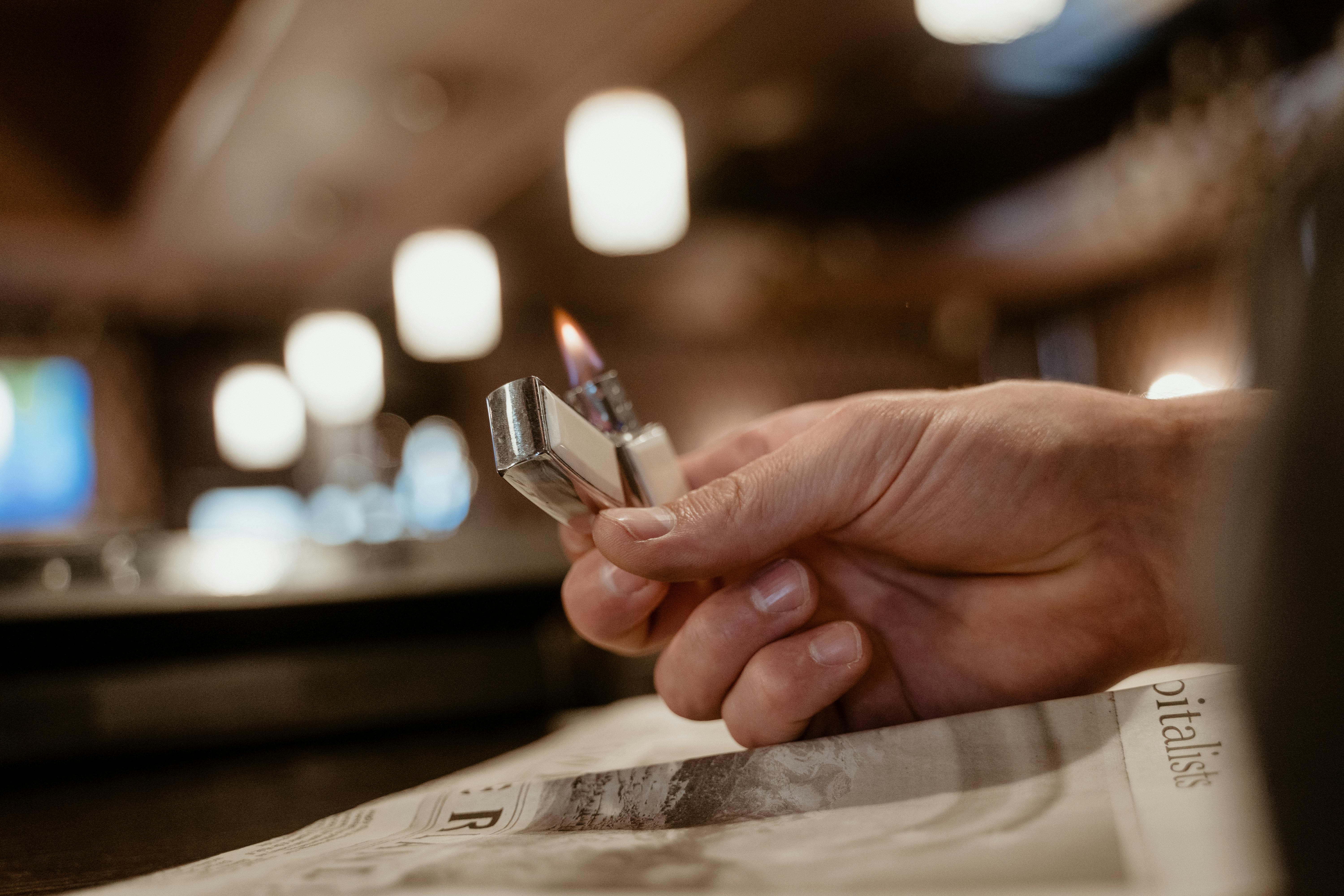
A torch lighter attack is exactly what it sounds like. It is the use of a high-temperature flame device as a weapon or threat tool, often at close range, where skin, eyes, hair, and clothing can be damaged in seconds. These lighters are sold for cigars, grills, crafts, and kitchen use, but the flame they produce is not a toy flame. It is hot enough to cause severe injury fast.
The reported incident involving a deaf woman matters because the risk is not just the flame. It is the element of surprise, the difficulty of hearing a threat, and the challenge of reacting in time when danger arrives without warning. I have covered enough violent incidents to know this much: the public often fixates on the odd object and misses the human harm. That is backwards.
A 2,500-degree flame is not abstract. It is heat that can blister skin almost instantly, ignite clothing, and create panic in a crowd. The legal system usually treats this sort of conduct as assault, attempted assault, reckless endangerment, or another serious offense depending on the jurisdiction and the facts police prove. Here’s the kicker: whether a device was bought legally is irrelevant once it is used to threaten or injure someone.
Most news coverage stops at the arrest. That is lazy. The deeper issue is whether the victim had equal protection in the moment and equal access to justice afterward. That is where public order, disability rights, and basic moral responsibility meet. A society that cannot protect the vulnerable is not doing its job. Full stop.
source source
Core Details and context
The police arrest tells us there was enough evidence to detain a suspect, but not everything has been proven in court. That distinction matters. Online mobs love certainty before the facts are in, and frankly, that habit poisons everything. The proper question is simple: what was alleged, what did witnesses see, what did officers recover, and what charges follow from those facts?
The main facts, as reported, point to a close-range attack involving a torch lighter with a flame hot enough to cause catastrophic burns. If the lighter was aimed at the face, the danger was extreme. Eyes, nose, cheeks, and airways are all at risk. Burns to the face are not just painful; they can scar, disfigure, and lead to long-term medical care.
- Disability context matters. Deaf individuals may not hear verbal warnings, footsteps, or the hiss of a lighter being ignited. That can make sudden attacks even more dangerous.
- Intent matters. Prosecutors will look at statements, actions, distance, and whether the suspect approached, threatened, or made contact.
- Tool choice matters. A torch lighter is not a random household item in this setting. It is a high-heat instrument that can function like an improvised weapon.
- Public settings matter. If the incident happened in a store, street, transit area, or shared building, bystanders also become part of the story, because the failure to intervene safely can affect outcomes.
Let’s be real. People love to split hairs about whether something is an “attack” or a “scare.” The victim rarely experiences that distinction. When a flame is aimed at a face, the body does not care about the semantic debate. It reacts to threat.
There is also a wider civic issue here. The common good depends on ordinary restraints: don’t terrorize strangers, don’t target people who are less able to hear or react, and don’t treat human dignity as optional. That is not just law; it is the minimum standard of decency.
I’ve seen coverage that frames violent acts as if they are just another odd headline. That misses the social cost. Victims pay in pain, lost wages, trauma, and time. Communities pay in fear. Courts pay in backlog. And everyone else pays when public behavior gets more reckless because nobody expects consequences.
For readers trying to separate fact from noise, the most important verified questions are these:
- Did police identify the suspect directly from witness reports, video, or physical evidence?
- Was the victim injured, or was the attack interrupted before contact?
- Were there prior threats or a known relationship between the parties?
- What charges did prosecutors file, and do they include hate-crime or disability-related enhancements if supported by law?
If you want the broader legal backdrop, see this related analysis on public safety and assault standards, along with our coverage of disability rights in criminal justice and how police build assault cases.
For a related look at how public institutions respond after fast-moving incidents, read our coverage of emergency response and public safety.

Timeline and step-by-step
The sequence in cases like this often looks messy on the outside and simple on paper. That’s because the public sees the arrest, while investigators assemble the rest piece by piece. I have covered this beat long enough to know that the first version of events is usually incomplete, but not always wrong. The trick is knowing what can be trusted at each stage.
- The confrontation begins. A suspect and victim are in the same space, or close enough for direct contact. A disagreement may start verbally, or the suspect may act without much warning. If the victim is deaf, they may not detect the approach the way others would.
- The torch lighter is produced or ignited. This is the point where the risk escalates sharply. A lighter used at face level is not defensive behavior. It is threatening, and possibly assaultive, depending on proximity and intent.
- The victim reacts under stress. People often freeze, back away, raise their hands, or try to shield their face. That is a normal response to sudden danger. It is not weakness. It is biology.
- Bystanders or the victim seek help. Police may be called immediately, or the incident may be reported after the fact. Video evidence, witness statements, and visible burns or singed clothing can become critical.
- Police investigate and make an arrest. If officers believe probable cause exists, they arrest the suspect. That is not a conviction. It is the start of the legal process.
- Prosecutors review charges. Charging decisions depend on injury, intent, prior record, and jurisdiction. If the victim has a documented disability, that may influence how prosecutors describe the seriousness of the offense.
- Court proceedings follow. Bail, arraignment, hearings, and plea negotiations can come fast or drag on. This is where public attention usually fades, which is unfortunate because victims often need the most support then.
The timeline matters because the public tends to ask the wrong question first: “Why would someone do that?” That question has its place, but it can become a distraction. The more immediate question is whether the justice system responds clearly and fairly.
When I look at incidents like this, the pattern is painfully familiar. A vulnerable victim is startled, a weaponized object is used in a flash, then everyone acts surprised that a cheap-looking device caused real danger. That reaction is backward. The injury potential was always there.
The other thing nobody says out loud enough is that disability access is not only about ramps and captions. It is also about safety. If someone cannot hear an escalated threat, the surrounding system has a duty to reduce the chance of harm and respond quickly when harm occurs.
For a related look at how public institutions respond after fast-moving incidents, read our coverage of emergency response and public safety.
Comparison table
The public often compares torch lighters to ordinary lighters, but that comparison undersells the danger. A torch lighter is closer to a small industrial flame source than the little flickers people carry in pockets. That difference matters when it is used as a threat.
| Factor | Torch Lighter Used in Assault | Ordinary Pocket Lighter |
|---|
| Flame intensity | Very high, concentrated flame | Lower, less concentrated flame |
| Burn risk | Severe burns can occur quickly | Still dangerous, but usually less intense |
| Intended use | Often for cigars, grills, repairs, cooking | Commonly for smoking or simple ignition |
| Threat potential | High at close range | Moderate, depending on use |
| Visibility of danger | Often obvious once ignited | May seem less intimidating at first glance |
| Legal impact in assault cases | Can support aggravated or serious charges | May still support assault charges if used threateningly |
| Victim vulnerability factor | Very high when the target is disabled or startled | Still significant, but context varies |
The better comparison is not between brands of lighter. It is between a harmless tool in normal use and the same tool turned into a weapon. That is the point most commentary misses. Objects are morally neutral until a person uses them against another person.
And yes, motive matters. But so does capability. A flame source capable of reaching extremely high temperatures changes the legal and medical stakes immediately. If prosecutors can show intentional targeting of a disabled victim, the case becomes even more serious.
I also want to note the civic angle. Communities that value human dignity should care about the kinds of objects that can be turned into weapons in a second. That does not mean banning every tool under the sun. It means recognizing that responsibility lies with the person, and the law must respond when that responsibility is shattered.
Common misconceptions and what to know
The first myth is that this was “just a lighter.” No. That is a lazy phrase people use when they want to minimize harm. A torch lighter can produce a flame hot enough to injure fast, and in the wrong hands it becomes a weapon.
The second myth is that no burn means no serious case. Also false. An attack can be serious even if the victim escapes physical injury. Trauma, fear, and the threat of disfigurement matter. Courts understand that. So should the public.
The third myth is that disability only matters after the fact. That is nonsense. Deafness can shape how danger is perceived, how fast a person can react, and how easily a threat can be hidden or sprung. Justice without that context is incomplete.
The fourth myth is that an arrest settles everything. It does not. Arrest is the threshold, not the finish line. I’ve covered enough cases to know that people confuse detention with proof. Courts are for proof. Police are for probable cause.
The fifth myth is that all of this is just an isolated freak event. Maybe, maybe not. But isolated incidents reveal ordinary failures: poor judgment, weak boundaries, public inattention, and sometimes a bad mix of alcohol, anger, or opportunism. Pick your poison. The result is still the same.
Here’s the kicker: the news cycle loves spectacle, but victims live with consequences long after the spectacle dies. That is why responsible reporting should emphasize injury risk, legal process, and protection for disabled people rather than internet theatrics.
Another point worth saying plainly: there is a moral obligation to protect those who may be less able to detect danger in time. That idea is old, not trendy. It shows up in any serious moral tradition, including the simple biblical principle that those with power owe more care, not less, to those placed in harm’s way.
If you want broader context on crime reporting and legal standards, our related pieces on criminal charges explained and victim rights in the justice system are worth a look.
Frequently asked questions
Was the man charged immediately?
Usually, police arrest first when they have probable cause, then prosecutors decide the formal charges. The exact charge list depends on the local law, the evidence, and whether the victim suffered injury or credible threat.
Can a torch lighter really cause serious burns?
Yes. A torch lighter can produce a very hot, concentrated flame. At close range, that can cause severe burns, eye damage, or ignition of clothing and hair. That is not speculation; it is basic burn physics.
Why does the victim being deaf matter legally?
It can matter because it affects vulnerability, perception of threat, and the victim’s ability to react to a sudden attack. Courts and prosecutors may consider that context when assessing severity and intent.
Does an arrest mean the suspect is guilty?
No. An arrest means police believe there is enough evidence to move forward. Guilt is decided in court or through a plea process, not at the roadside or in the booking room.
Could this be treated as an aggravated assault case?
Possibly. If the device was used as a weapon, if there was intent to cause harm, or if the victim was put in immediate fear of serious injury, aggravated charges may be on the table depending on jurisdiction.
What should victims do after a similar incident?
Seek medical attention, preserve clothing or video if possible, report the incident quickly, and document witnesses. If the victim has a disability, it helps to record how that affected the attack and the response.
Final thought
The real story is not the oddity of a torch lighter. It is the old, ugly fact that some people still think other people’s faces, fear, and dignity are disposable. They are not. A community earns its name by how it treats the vulnerable when no one is watching, and by whether its justice system moves with speed, restraint, and plain common sense.
I’m skeptical of any coverage that turns this into a one-day outrage item and then moves on. That habit serves no one. The victim still has to live with the aftermath, investigators still have to prove their case, and the public still has to decide whether it wants order or just noise. The better path is boring in the best sense: clear facts, firm charges if warranted, fair process, and real protection for people who should never have been put in that position to begin with.
That is not a grand theory. It is just decency with teeth.