The Strait of Hormuz is once again the pressure point. President <strong>Donald Trump</strong> has threatened to strike <strong>Iran’s...
The Strait of Hormuz is once again the pressure point. President Donald Trump has threatened to strike Iran’s infrastructure if Tehran does not reopen the waterway, a route that carries a huge share of the world’s oil and LNG. That is not empty bluster. It raises the stakes for energy markets, military planners, shipping firms, and civilians far beyond the Gulf.
Key Takeaways
- The Strait of Hormuz is a narrow chokepoint for global energy flows.
- Trump’s threat targets Iranian infrastructure, not just military assets.
- Any disruption could hit oil prices, shipping insurance, and regional stability.
- The biggest risk is miscalculation, because once missiles are traded, nobody fully controls the next move.
- The moral issue is plain: civilian life, honest trade, and the common good should not be treated like poker chips.
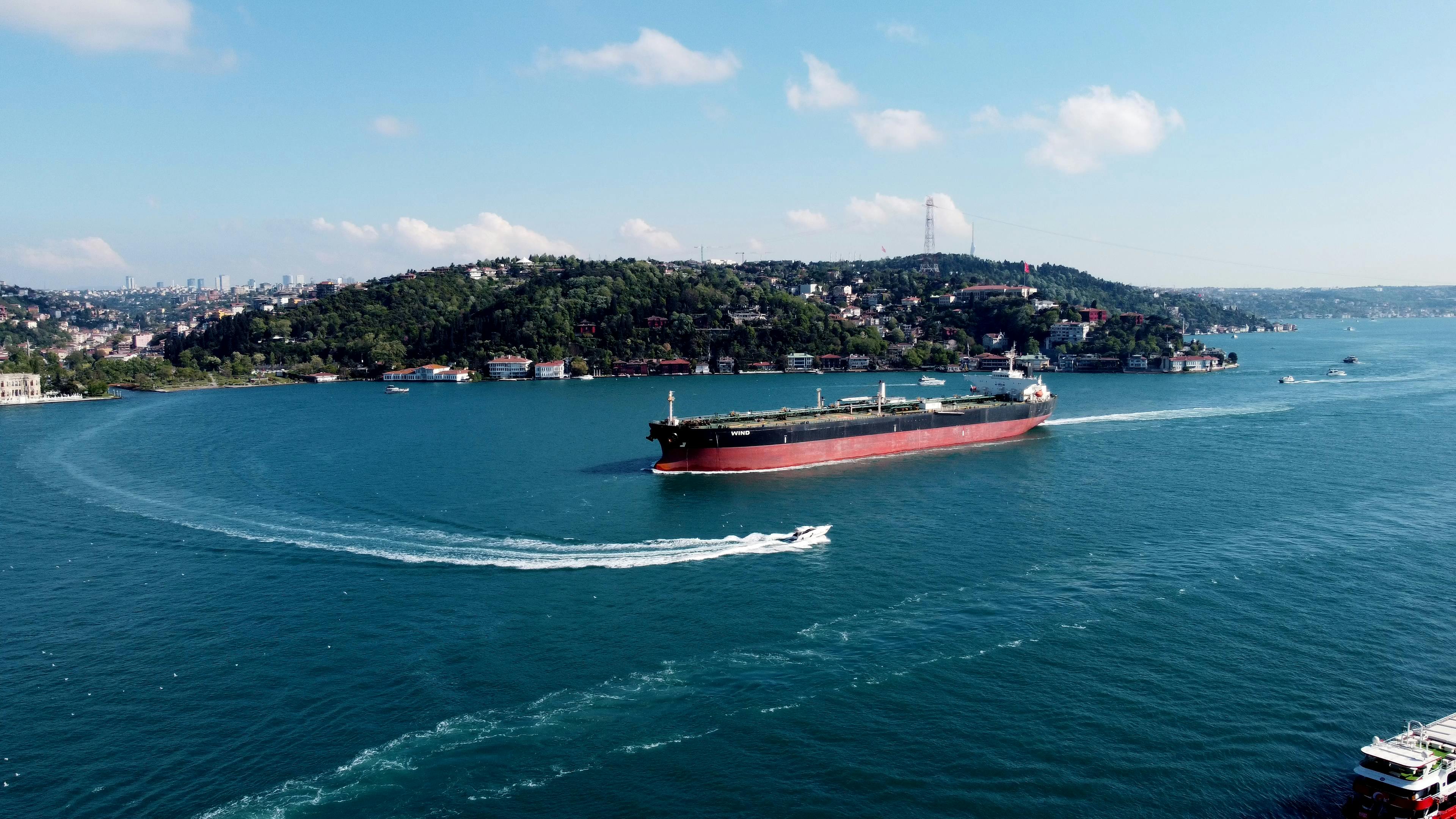
What is the Strait of Hormuz crisis? The Strait of Hormuz is a slim corridor between Iran and Oman that links the Persian Gulf to the Arabian Sea. It is one of the most important maritime chokepoints on Earth. Roughly a fifth of global oil consumption moves through it, along with a major share of liquefied natural gas exports. That is why even a rumor of disruption can rattle futures markets.
This latest flare-up is not really about geography alone. It is about leverage. Iran has long treated the strait as a strategic pressure valve, while the United States and its allies see uninterrupted transit as a baseline condition for global commerce. When I analyzed past episodes like this, the pattern was always the same: rhetoric hardens first, markets jump second, and then everyone discovers that “limited” threats have a nasty habit of growing legs.
Trump’s warning is blunt. If Iran does not reopen the passage, he says the United States could strike infrastructure inside Iran. That could mean ports, fuel systems, transport nodes, command-and-control assets, or facilities tied to oil exports. The exact target list matters less than the signal. The signal is that Washington is considering punishment beyond symbolic strikes.
Most coverage treats this as theater. Frankly, that is lazy. The threat matters because infrastructure targets can affect the flow of civilians’ basic goods, regional trade, and energy access for millions who had no say in the crisis. Catholic social teaching would call that a matter of stewardship and justice: power should protect the common good, not casually torch it.
For context on the broader regional tensions, see the reporting from Reuters Middle East and the background on the waterway from Encyclopaedia Britannica.
Core details and context
Here’s the hard part: the Strait of Hormuz is not just a map feature. It is a choke point that touches shipping, sanctions, military doctrine, and domestic politics in both Washington and Tehran.
- Why it matters economically: A blockade, even partial, can drive up insurance costs, reroute tankers, and send crude prices higher fast.
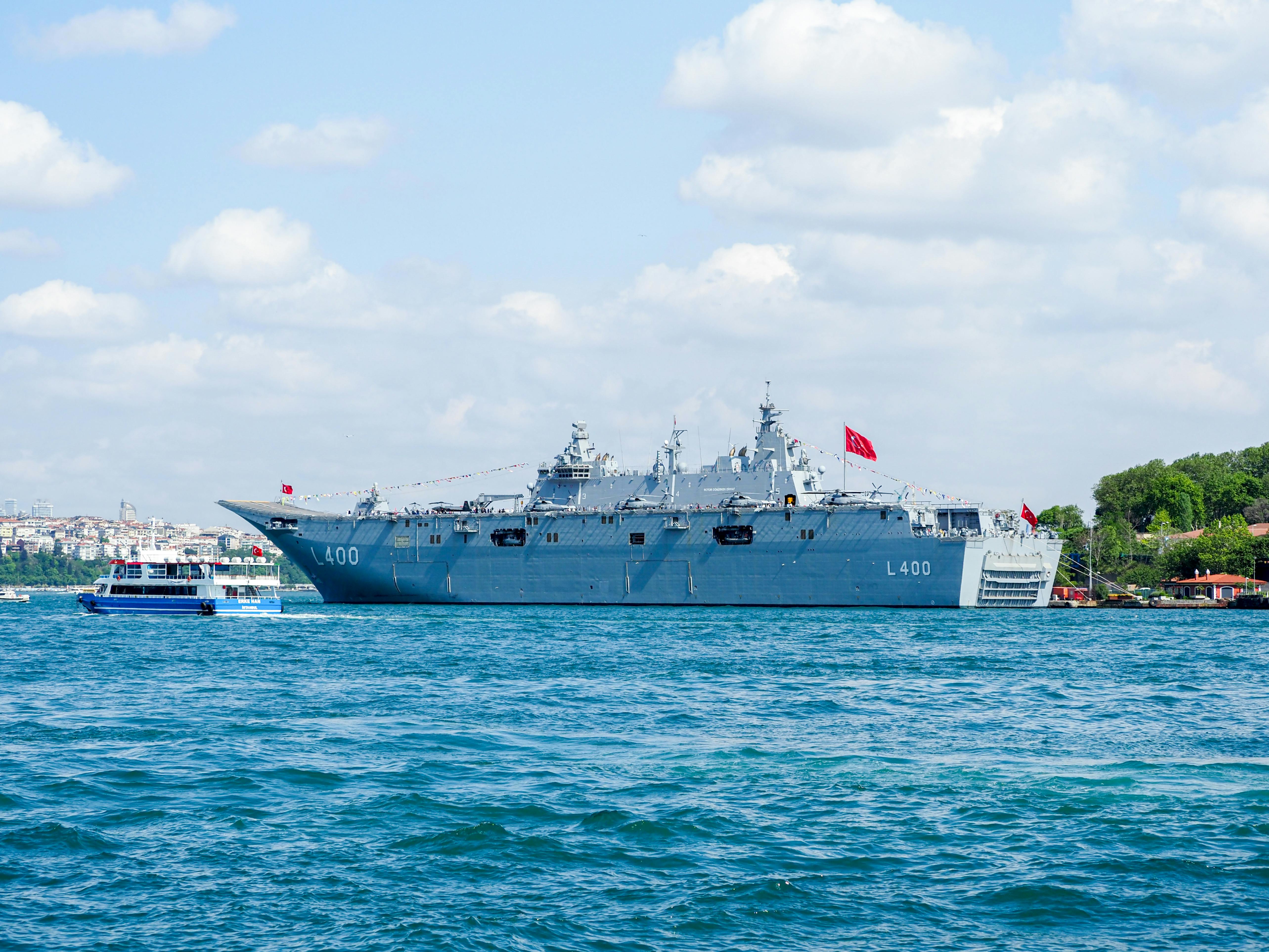
- Why it matters militarily: The U.S. Navy and regional partners have long treated freedom of navigation as a standing mission. If that mission gets tested, escort operations and air defense assets move into focus.
- Why it matters politically: Trump’s language speaks to toughness, deterrence, and a familiar belief that pressure works best when it is loud.
- Why it matters for Iran: Tehran can use the strait as bargaining leverage, but doing so risks drawing a severe response and further isolating its economy.
- Why it matters for civilians: Fuel, shipping, food imports, and public services all sit downstream from these decisions. That is the ugly part.
Everyone talks about “red lines,” but few explain how quickly they blur. A port strike can become an energy shock. An energy shock can become a diplomatic crisis. A diplomatic crisis can turn into a military spiral if one side decides it must save face.
I’ve covered enough of these showdowns to know the story usually hides in the boring parts: tanker rates, dispatch delays, air defense alerts, and who is talking to whom behind closed doors. Those details are where escalation either cools or catches fire.
Iran’s infrastructure is a broad target set. It can mean oil terminals, refineries, power stations, road links, or communications systems. Hitting such assets is not the same as hitting a military base. It can ripple into water, electricity, industrial production, and export earnings. That is why analysts worry about proportionality and civilian harm.
For a useful primer on oil chokepoints and shipping pressure, the U.S. Energy Information Administration remains a solid reference. On the naval side, the U.S. Navy’s public material on maritime security is also relevant, especially when the Strait of Hormuz enters the conversation.
Here’s the kicker: the more public the threat, the harder it is for either side to quietly step back. That is how pride starts steering policy. And pride, as the old books say, tends to go before a fall.
Timeline and how this developed
This crisis did not appear out of nowhere. It built over time, through sanctions, retaliation, maritime harassment, and repeated warnings that the strait could become a battlefield.
- Years of tension
The U.S. and Iran have been locked in a long standoff over nuclear policy, sanctions, proxy forces, and shipping security. Each round of pressure has made the next one easier to imagine. - Maritime incidents accumulate
Tanker seizures, drone threats, and attacks on commercial shipping have repeatedly raised the risk premium in the Gulf. The lesson was always obvious, though rarely admitted: one damaged vessel can move markets more than ten speeches. - Trump raises the stakes
In this latest episode, Trump publicly warned that Iran must reopen the Strait of Hormuz or face strikes on critical infrastructure. That language widened the set of possible U.S. responses. - Markets and allies react
Traders watch crude benchmarks. Allies watch for consultation. Shipping firms watch insurance premiums and convoy planning. That is the practical side nobody likes to say out loud. - Iran weighs its options
Tehran can escalate, bargain, deny, or posture. Each path carries cost. Reopening the strait without gain looks weak. Keeping it shut invites retaliation. Welcome to the trap. - Military signaling intensifies
Once threats become public, both sides usually increase readiness. That means surveillance, missile defense, naval positioning, and diplomatic backchannels all moving at once. - The diplomatic off-ramp becomes crucial
This is where real statecraft matters. Quiet mediation, likely from regional partners or European intermediaries, can sometimes prevent a headline from becoming a strike.
When I look at the sequence, the real story is not one statement by Trump. It is the repeated normalization of extreme language. Today it is infrastructure. Tomorrow it is something worse, if nobody insists on limits.
The reporting from Reuters World has tracked similar Gulf flashpoints closely, while the New York Times Middle East coverage often provides strong on-the-ground context when a crisis crosses from rhetoric into policy.
The chronology matters because public threats can narrow decision space. Officials then feel boxed in by their own words. That is not strength; it is self-inflicted constraint dressed up as resolve.
Trump vs. Iran’s leverage: a rough comparison
| Factor | Trump’s threat posture | Iran’s Strait leverage |
|---|
| Main tool | Threat of strikes on infrastructure | Control, disruption, or harassment in the waterway |
| Immediate effect | Deterrence signal, market shock | Shipping risk, price pressure, political bargaining |
| Weakness | Can escalate faster than intended | Risks retaliation and deeper isolation |
| Audience | U.S. voters, allies, Tehran, markets | U.S., regional rivals, domestic hardliners |
| Civilian impact | Possible damage to utilities and trade networks | Global fuel and goods price spikes |
| End state sought | Reopening the strait by force or fear | Extract concessions or preserve regime leverage |
The table makes one thing plain. Both sides are using pressure, but the target sets differ. Trump’s threat is about punishment. Iran’s leverage is about denial and delay. Neither is elegant. Neither is cheap.
What most pundits miss is that leverage is only useful if it can be controlled. Tehran can threaten disruption, but prolonged closure would draw a response it may not want. Washington can threaten strikes, but strikes on infrastructure can widen the war and anger allies dependent on Gulf stability.
Here’s the practical question: who can endure the costs longer?
That answer is not just military. It is economic, political, and moral. Governments are supposed to guard the basic conditions of peaceable life. When leaders treat commerce and civilian security as interchangeable with battlefield pressure, they forget a basic rule: the common good is not collateral damage.
For current oil-market context, see Financial Times commodities coverage and CNBC energy reporting. The market reaction often tells you more than the press conference does.
Common misconceptions about this crisis
The loudest take is usually the sloppiest. Let’s clear up a few myths.
- Myth 1: This is only about oil.
Not quite. Oil is the first visible shock, but the real issue is the security of global trade, military credibility, and diplomatic signaling. - Myth 2: A threat means action is inevitable.
No. Threats are often bargaining tools, especially in crisis diplomacy. The point is to raise the cost of noncompliance. - Myth 3: Infrastructure strikes are clean and precise.
That is wishful thinking. Even with advanced weapons, infrastructure is messy. Power grids, transport links, and fuel systems are interconnected. Damage spreads. - Myth 4: Iran can close the strait without consequence.
Also wrong. Any serious disruption would invite naval response, sanctions pressure, and likely broader military planning by the U.S. and allies. - Myth 5: Markets will “price it in” and move on.
Sometimes they do, but not before volatility spreads through insurance, shipping, and consumer prices. The costs show up in groceries and heating bills, not just in trading screens.
I’ve seen this movie before. The headlines overstate certainty, then reality steps in and ruins the script.
The deeper misconception is that strength alone solves state crises. It doesn’t. Prudence matters. So does restraint. The biblical idea of justice is not sentimental; it is ordered. Leaders have duties, and among the first is to avoid turning whole populations into bargaining chips.
There is also a habit in coverage of treating the Middle East as a permanent emergency. That is a mistake. It becomes an excuse not to understand the specific chain of choices in front of us. The right question is not whether the region is tense. It obviously is. The question is which decisions lower the odds of a wider war and which ones make it likelier.
For broader background on shipping risks and Gulf security, BBC Middle East and AP Middle East are useful because they often separate confirmed developments from rumor.
Frequently asked questions
Why is the Strait of Hormuz so important?
It is one of the world’s narrowest and most important shipping routes, connecting major Gulf oil exporters to global markets. A disruption there can affect oil prices, LNG shipments, shipping insurance, and broader economic confidence.
What did Trump mean by threatening Iran’s infrastructure?
He signaled that the U.S. could hit critical facilities inside Iran if the Strait of Hormuz is not reopened. That could include energy, transport, communications, or other systems tied to national logistics and exports.
Could Iran actually keep the strait shut?
It can create serious disruption, but sustained closure would be difficult and dangerous. Iran would face military retaliation, economic punishment, and pressure from countries that rely on Gulf energy flows.
Will oil prices rise if the situation worsens?
They likely would, at least in the short term. Even the possibility of disruption can move crude futures, raise tanker costs, and push up consumer prices. Markets hate uncertainty almost as much as they hate surprise missile launches.
The truth is, this standoff is bigger than one headline and uglier than most commentary admits. The Strait of Hormuz sits at the junction of power, trade, and restraint. If leaders choose bravado over prudence, civilians pay first. And that should trouble anyone who still thinks government exists to serve people rather than feed its own vanity.
The better path is not complicated, though it is hard: keep shipping open, keep channels alive, and keep civilian harm off the table. That is not weakness. It is sane rule. In a world that often rewards the loudest threat, the quiet discipline of peace still counts for something.