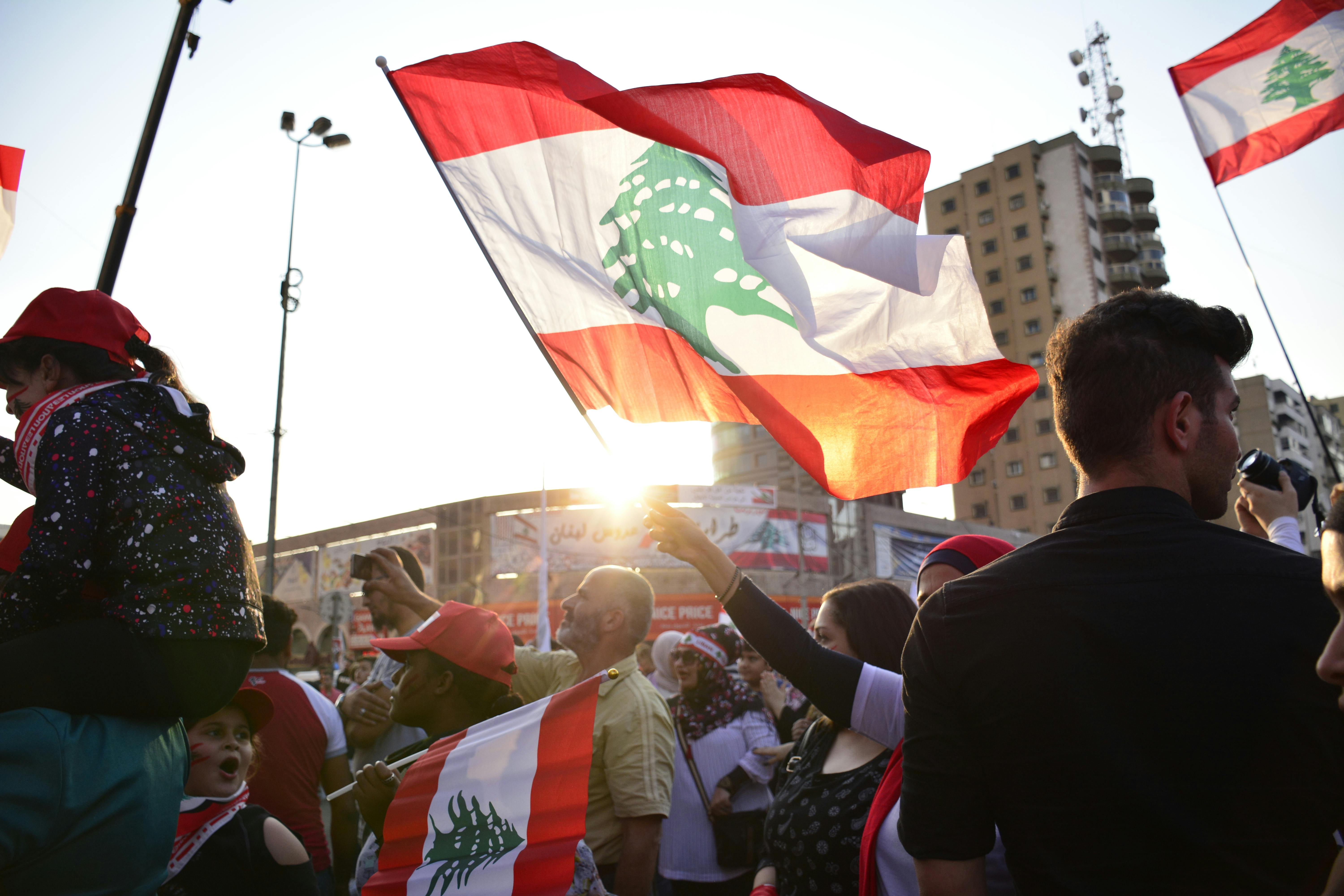
Donald Trump’s Friday post about making Lebanon great again landed at a delicate moment. Lebanon is trying to hold a ceasefire with Israel together, while...
Trump’s ‘Make Lebanon Great Again’ Post Puts a Fragile Ceasefire in the Spotlight
Donald Trump’s Friday post about making Lebanon great again landed at a delicate moment. Lebanon is trying to hold a ceasefire with Israel together, while political factions, armed groups, and foreign powers all press their own claims; the message was part political branding, part signal, and part reminder that words still move markets, militias, and public opinion.
Key Takeaways- Trump’s post tied a domestic-style slogan to a foreign policy crisis.
- Lebanon’s ceasefire with Israel remains fragile and highly conditional.
- The real story is not the slogan; it is enforcement, sovereignty, and deterrence.
- Public messaging matters because it can stiffen, distort, or unsettle diplomacy.
What is Trump’s Lebanon post?
It is a political message, but not just that. Trump’s remark about making Lebanon great again came as the country was under intense scrutiny after a ceasefire arrangement with Israel, and the choice of language echoed his familiar campaign style rather than standard diplomatic phrasing. That matters. A lot. In foreign affairs, tone is not decoration; it is part of the signal.
I’ve covered enough political theater to say this plainly: slogans do work, but they also flatten reality. Lebanon is not a campaign rally. It is a state with weak institutions, competing security authorities, economic wreckage, and a population that has lived through one shock after another. When a U.S. president or former president speaks that way, supporters hear resolve; critics hear performance. Both reactions are predictable.
Frankly, most coverage stops there. That’s lazy. The real issue is whether the ceasefire can be sustained, whether armed actors on either side obey the lines they agreed to, and whether outside patrons—Washington, Tehran, Jerusalem, and regional intermediaries—keep pressure on for calm instead of escalation. A slogan may grab attention, but it does not patrol a border.
The deeper question is moral as much as strategic. Leaders owe people more than applause lines. They owe them stewardship, restraint, and concern for human dignity. In a place like Lebanon, that means the common good must come before factional vanity. That is not sentimental. It is basic political sanity.
Core Details and Context
- Lebanon’s ceasefire with Israel sits atop a long record of conflict, cross-border strikes, and political fragmentation.
- The country’s government has limited control over all territory, which is the whole problem in miniature.
- Hezbollah remains a central factor, because any ceasefire depends on what it does, not what a post says.
- Israel’s security position is shaped by the northern front, domestic politics, and the pressure to return displaced residents safely.
- U.S. messaging usually seeks deterrence and reassurance at once, which is hard to do without sounding contradictory.
- Public opinion in Lebanon is split by sect, class, region, and plain exhaustion.
- Everyone talks about peace, but few talk about enforcement. That is the kicker.
When I analyzed the broader reporting, the pattern was clear: ceasefires in this region are rarely neat agreements; they are managed pauses, kept alive by fear of the alternative. They need rules, third-party monitoring, and enough political will to punish violations. Without that, the paper says one thing and the ground says another.
There is also the matter of U.S. political signaling. Trump’s framing fits a broader habit of compressing foreign policy into brand language. That can rally a base, but it also risks turning serious diplomacy into a slogan contest. To be fair, presidents and candidates of both parties do this. The difference is that in a conflict zone, loose language can be misread as license.
Reuters Middle East coverage has repeatedly shown how quickly ceasefires in the region can fray after one miscalculation. Associated Press Middle East reporting likewise underscores how political statements, military moves, and civilian fear collide in real time. And when Washington talks about Lebanon, the line between diplomacy and domestic politics gets thin fast.
Timeline and What Actually Happened
- Israel and Lebanon reached a ceasefire understanding. The arrangement was meant to reduce cross-border violence and create a path away from constant escalation.
- Trump posted his message on Friday. The phrase “make Lebanon great again” echoed his campaign language and put the crisis into a political frame.
- Observers read it as signaling. Some saw support for stability; others saw a branding exercise attached to a live security issue.
- The ceasefire remained the real test. I think this is where the headlines get it wrong. The post is noise; compliance is substance.
- Regional actors continued watching closely. Israel, Hezbollah, Lebanese leaders, and U.S. officials all have incentives to avoid wider war, but each has different red lines.
Here’s what nobody tells you: the calendar matters. Posts made during ceasefire windows can either reduce tension or inject confusion. If the message is seen as aligning the U.S. with one side too bluntly, it can harden suspicion. If it is seen as a warning to spoilers, it can also help. Context does all the heavy lifting.
The practical question is whether Lebanon’s institutions can regain enough credibility to control security spaces that nonstate actors have long influenced. That is not solved by rhetoric. It is solved by governance, aid, border discipline, and political settlements that ordinary people can live with. In Catholic terms, rulers are not there to feed their own image. They are there to serve justice and protect the vulnerable. That principle is ancient because human nature has not improved much.
Comparison Table
| Issue | Trump’s Slogan-Driven Message | Traditional Diplomatic Language |
|---|
| Tone | Sharp, branded, polarizing | Measured, procedural, cautious |
| Audience | Domestic supporters and media | Governments, mediators, allies |
| Strength | Grabs attention fast | Reduces ambiguity |
| Weakness | Can blur policy with performance | Can sound dry or timid |
| Effect on Lebanon ceasefire | Mixed; symbolic at best | More likely to support coordination |
| Biggest risk | Misreading and escalation | Slow impact and weak public appeal |
The comparison is simple. One style gets clicks. The other helps keep the peace. Usually.
Common Misconceptions and What to Know
- Misconception: A post can reshape a ceasefire. Not by itself. Ceasefires depend on enforcement, communications, and political incentives.
- Misconception: Lebanon is just a battleground for outsiders. Outsiders matter, sure, but Lebanese factions and institutions still make choices.
- Misconception: Slogans are harmless. They are not harmless if they change expectations or signal a shift in U.S. posture.
- Misconception: Calm means peace. Often it just means the guns are quiet for now.
Most news coverage misses the real story. Here it is: Lebanon’s future depends on whether power can be moved from armed networks back toward the state, however imperfectly, and whether the ceasefire becomes a bridge or just another pause before the next round. That is the issue that matters to families, not the applause line.
The public tends to overrate speeches and underrate institutions. That habit is common in Washington and in Beirut alike. But a state is judged by whether roads work, schools open, electricity stays on, borders hold, and civilians are treated as more than bargaining chips. You want greatness? Start there. Not with a slogan. Not with a hashtag. With accountability.
Frequently Asked Questions
What did Trump mean by ‘make Lebanon great again’?
He was echoing his campaign-style language to comment on Lebanon at a time of fragile ceasefire politics. The phrase was political, symbolic, and intentionally attention-grabbing.
Why does the Lebanon ceasefire matter so much?
Because it affects border security, civilian safety, regional deterrence, and the risk of a wider conflict involving Israel and Hezbollah.
Does a Trump post affect diplomacy?
Yes, at least indirectly. Public remarks from major political figures can shape expectations, signal priorities, and influence how allies and rivals interpret U.S. intent.
Is the ceasefire likely to hold?
It depends on compliance, monitoring, and political pressure. Without those, any ceasefire in this region can weaken quickly.
The truth is, foreign policy is usually less dramatic than people want and more dangerous than they admit. If Lebanon is to move toward stability, it will require more than loud language from abroad. It will require leaders willing to put the poor ahead of pride, the state ahead of factions, and peace ahead of spectacle. That is hard. It is also the only path worth taking.