The Strait of Hormuz is back at the center of a war nobody can afford. President Donald Trump said the U.S. Navy would immediately begin a blockade to stop...
The Strait of Hormuz is back at the center of a war nobody can afford. President Donald Trump said the U.S. Navy would immediately begin a blockade to stop ships entering or leaving the waterway, after U.S.-Iran talks in Pakistan collapsed without a deal. That is not a small move. It is a direct threat to the thin choke point through which roughly a fifth of the world’s oil once moved, and it turns a regional war into an energy shock with global reach.
Key Takeaways:
- Trump said the U.S. Navy would start a blockade of the Strait of Hormuz.
- U.S.-Iran talks in Pakistan failed after 21 hours.
- The core dispute remains Iran’s nuclear program and verification demands.
- Iran’s closure of the strait has become its biggest leverage point.
- Lebanon remains at risk as Israel continues strikes and diplomacy stalls.
- Energy prices, shipping routes, and civilian security all hang in the balance.
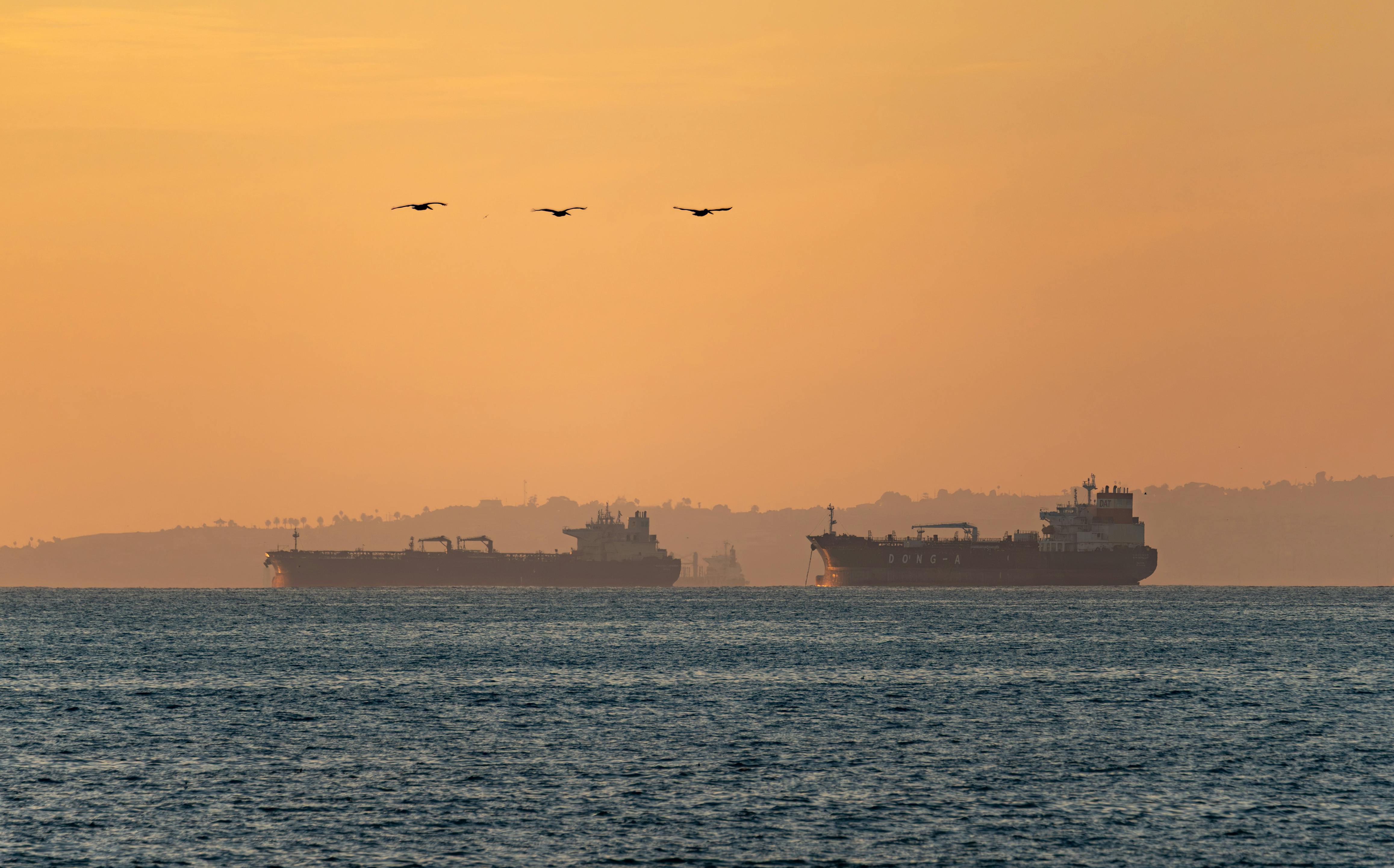
What is the Strait of Hormuz crisis?
The Strait of Hormuz crisis is a contest over a narrow waterway and an even narrower margin for error. The strait sits between Iran and Oman, and it connects the Persian Gulf to the Gulf of Oman and the Arabian Sea. That makes it one of the most important maritime passages on Earth. If ships cannot pass freely, oil, liquefied natural gas, and container traffic get jammed fast, and the effect ripples through markets, insurance rates, refinery planning, and government policy.
Most coverage treats this as just another standoff. It is not. The real issue is leverage. Iran has long used the strait as a pressure point because geography gives it a cheap threat and the world a costly problem. The U.S., by contrast, is leaning on naval power and sanctions, hoping that force and interdiction will make Tehran blink. I’ve covered enough of these crises to know that both sides often speak as if facts are optional. They are not. Tankers need safe lanes. Energy buyers need predictability. Civilians need less rhetoric and more restraint.
This matters beyond oil. It affects war planning, diplomatic credibility, and the basic idea that rules at sea should mean something. There is also a moral layer here that newsrooms rarely admit: when elites gamble with chokepoints, ordinary workers pay the price first—drivers, factory crews, families heating homes, and sailors doing a dangerous job that is supposed to stay above politics. Stewardship is not a slogan. It is the duty to keep power from becoming wasteful harm.
The failure of the Pakistan talks shows how stubborn the dispute has become. Washington wants an affirmative commitment that Iran will not pursue a nuclear weapon and will accept monitoring. Tehran says it wants peaceful nuclear energy and refuses to surrender sovereignty under coercion. Those are not tiny differences. They are the kind that sink talks when neither side believes the other is acting in good faith.
AP News reporting has framed the talks as collapsing under the weight of nuclear demands and maritime pressure, while Reuters coverage has repeatedly highlighted the strait’s central role in oil security. For background on the diplomatic and military layers, see our related coverage of Iran nuclear negotiations, Middle East shipping lanes and energy security, and U.S. foreign policy in the Middle East.
Core details and context
Core details tell the story plainly. Trump said the U.S. would seek and interdict vessels that paid a toll to Iran. He also said the U.S. was prepared to “finish up” Iran at an appropriate moment. Vice President JD Vance said Washington needs an affirmative commitment that Iran will not seek a nuclear weapon. Iranian officials answered that their country has a right to civilian nuclear energy and that the U.S. is the one asking for too much. Neither side sounded as if compromise was in season.
There is more going on than talking points. The U.S. military said two destroyers transited the waterway ahead of mine-clearing work, a clear signal that Washington is trying to keep the route open while proving it can act. Iran’s media disputed that version, which is typical in a conflict where each side wants to control the first draft of reality. Frankly, that is why careful reporting matters. Noise is easy. Verification is work.
The war has already hit multiple fronts. Iran’s closure of the strait has squeezed Persian Gulf exports and helped push energy prices higher. Fighting has also spread damage across Lebanon, Israel, and Gulf Arab states. The human toll is grim: thousands reported dead across Iran and Lebanon, and civilian infrastructure damaged in half a dozen countries. Numbers like that should make any serious leader pause. Justice, if the term still means anything in public life, begins with not pretending mass suffering is a mere bargaining chip.
- Blockade threat: Trump said the Navy would immediately begin a blockade in the Strait of Hormuz.
- Talks failed: Negotiations in Pakistan ended after 21 hours without agreement.
- Nuclear issue: The U.S. wants an explicit no-weapon commitment and monitoring.
- Iranian position: Tehran insists on civilian nuclear rights and rejects coercive limits.
- Shipping risk: The waterway remains central to global oil and gas flows.
- Regional spillover: Lebanon, Israel, and Gulf states are already feeling the effects.
The Pakistan mediation effort is not dead, but it is badly bruised. Foreign Minister Ishaq Dar says his government will try to keep dialogue alive. That is the right instinct, even if the odds are ugly. Mediators matter precisely because the parties involved often cannot see past their own pride. If you want background on how diplomatic pressure plays out in wider regional affairs, see our coverage of Iran nuclear negotiations, Middle East shipping lanes and energy security, and U.S. foreign policy in the Middle East.

Timeline and what happened step by step
The timeline is ugly and compressed. The war began on Feb. 28, according to the account in this report, and the ceasefire now hangs by a two-week thread. Talks in Pakistan lasted 21 hours before collapsing. Iran’s parliament speaker Mohammad Bagher Qalibaf accused the U.S. of deciding whether it can gain trust. The U.S. says Iran refused to commit against a nuclear weapon path. Iran says Washington overreached. That is where we are: a ceasefire, a blockade threat, and very little trust left in the room.
- Feb. 28: War begins and the regional security picture starts to fracture.
- Ceasefire announced: A fragile 14-day pause is set in motion, with deadlines already hanging over it.
- Pakistan talks start: U.S. and Iranian officials meet face-to-face for roughly 21 hours.
- Negotiations collapse: No common ground emerges on nuclear limits or leverage over the strait.
- Trump escalates: He orders the Navy to prepare blockade and interdiction steps.
- Regional fallout grows: Israel continues strikes in Lebanon, and mediation becomes even harder.
Here is the kicker. The strait is not just a regional passage; it is a global economic nerve. When one side treats it as a weapon and the other side treats it as a patrol zone, every tanker captain, refinery manager, and insurer gets dragged into the fight. That is why the comparison with any smaller dispute fails. The scope is too large, the stakes too high, and the margin for error too thin.
What actually happened in the talks? Both sides came in with rigid proposals. The U.S. wanted monitoring, rollback, and an end to any path toward a weapon. Iran wanted a guaranteed end to the war, protection for its regional allies, and control over the Strait of Hormuz in its proposal. Those demands were too far apart. I’ve seen enough diplomatic failures to say this cleanly: if each side thinks the other must move first, the talks can die in the time it takes a coffee to go cold.
BBC Middle East coverage has repeatedly noted how maritime pressure and nuclear demands can grind talks to a halt, while Al Jazeera’s Middle East reporting has tracked the spillover into Lebanon and the wider region. For the background on Hezbollah and the Lebanon front, read Hezbollah and Israel border tensions and Lebanon ceasefire talks and rebuilding pressure.
Comparison table
| Issue | U.S. position | Iran position | Biggest risk |
|---|
| Strait of Hormuz | Blockade, interdiction, naval pressure | Control, leverage, disruption if needed | Energy shock and maritime escalation |
| Nuclear program | No weapon path, monitoring, rollback | Civilian nuclear rights, sovereignty, relief | Talks collapse over verification |
| Regional allies | Pressure on Iran’s network and proxies | Protection for allies like Hezbollah | Wider war in Lebanon and beyond |
| Ceasefire | Keep pause while forcing concessions | Hold ceasefire without surrendering leverage | Pause breaks, fighting resumes |
Can the ceasefire survive? Maybe, but only if both sides choose restraint over scoring points. That is a big if. The U.S. wants to protect shipping and pressure Iran. Iran wants relief, recognition, and freedom to keep a civilian nuclear program. Neither wants to appear weak. That is how wars drag on after the paperwork says they should stop.
Common misconceptions and what to know
Common misconceptions still cloud the debate. One is that a blockade automatically gives the stronger navy complete control. Not true. Blockades, interdictions, mines, drones, anti-ship missiles, and political blowback all complicate the picture. Another is that this is only about oil. Also false. It is about nuclear limits, regional alliances, Hezbollah, Lebanon, and whether any ceasefire can survive contact with the battlefield. A third misconception is that public statements are just theater. Sometimes they are. But when the Navy is told to prepare interdictions and a commander-in-chief speaks about finishing a war at the appropriate moment, words start shaping decisions fast.
The Lebanon angle matters more than many analysts admit. Israel says the ceasefire does not apply there; Iran and Pakistan disagree. Israeli strikes have continued, including a deadly attack in Maaroub. That keeps Hezbollah in the frame, keeps Lebanon unstable, and keeps regional retaliation risks alive. If you want to understand why this keeps circling back to Hezbollah, read Hezbollah and Israel border tensions and Lebanon ceasefire talks and rebuilding pressure. These are not separate stories. They are one tangled fight with several fronts.
What happens next is the part everyone wants to skip. If talks resume, they need narrow terms, better monitoring, and a real guarantor. If they do not, the risk of more strikes, more shipping disruption, and more civilian harm rises. The world should not pretend this is normal. It is a failure of statesmanship, a failure of restraint, and a reminder that power without prudence does not protect the common good for long.
- Misconception: A blockade is simple to impose and easy to maintain.
- Reality: Maritime interdiction creates legal, military, and diplomatic risks.
- Misconception: The dispute is only about oil transport.
- Reality: Nuclear policy and regional war aims sit at the center.
- Misconception: Lebanon is a side issue.
- Reality: Lebanon is part of the same security chain.
Most news coverage misses the real story. Here’s what actually matters: the parties are not just fighting over territory or one weapons program. They are fighting over trust, deterrence, and who gets to define the rules. That is why the talks keep running into the same wall. Everyone wants the other side to yield first. Nobody wants to be the one who blinks.
Financial Times Middle East coverage has tracked the market consequences of shipping threats, and The New York Times Middle East section has examined how diplomacy and military action collide. For more on the global consequences, see energy prices and global markets and Middle East shipping lanes and energy security.
Frequently asked questions
Why is the Strait of Hormuz so important?
Because it is one of the main exits for oil and gas from the Persian Gulf. If the waterway is blocked or heavily threatened, shipping costs rise, supply gets delayed, and energy markets react quickly.
Did the U.S.-Iran talks fail because of the nuclear issue?
That is what U.S. officials say. Iranian officials deny that version and blame U.S. overreach. The core disagreement remains whether Iran must give a hard commitment not to pursue a nuclear weapon.
How does Lebanon fit into this crisis?
Israel’s strikes in Lebanon, especially against Hezbollah-linked targets, are tied to the wider war. Lebanon is not a separate theater; it is part of the same chain of pressure and retaliation.
Could the ceasefire still hold?
Yes, but only if both sides stop escalating and a mediator can keep talks alive. Right now, that is a fragile hope, not a solid plan.
Final thought
The Strait of Hormuz crisis is not really about one waterway. It is about whether major powers can still act like custodians instead of arsonists. A country can defend its interests without treating every chokepoint like a club and every negotiation like a hostage scene. The right measure of strength is not how loudly a leader threatens a blockade, but whether civilians, merchants, and sailors can cross the sea without becoming collateral damage. That old biblical idea—justice joined to restraint—feels inconvenient in moments like this. It is also exactly what the moment requires.