Trump’s threat to blockade the <strong>Strait of Hormuz</strong> changes the war. It is blunt, risky, and aimed at Iran’s main source of leverage — the...
Trump’s threat to blockade the Strait of Hormuz changes the war. It is blunt, risky, and aimed at Iran’s main source of leverage — the flow of oil through a narrow waterway that still matters to the whole world, whether politicians like it or not.
Key Takeaways
- U.S.-Iran peace talks in Pakistan ended without a deal after 21 hours.
- Trump said the Navy would begin a blockade of the Strait of Hormuz.
- Iran’s nuclear program remains the main sticking point.
- The ceasefire expires on April 22 unless extended.
- The shutdown of the strait has pushed energy prices higher and raised the stakes across the Middle East.
What is happening here?
The short version is ugly. Washington is trying to squeeze Tehran’s oil and shipping leverage, while Iran is using the Strait of Hormuz as a pressure valve of its own. Most headlines reduce this to a personality contest, but that misses the real issue: control of trade routes, the terms of deterrence, and whether either side is willing to accept limits. AP coverage of the talks shows how quickly the negotiations collapsed once nuclear concessions came up.
I've covered enough of these crises to know the script. One side draws a red line. The other side calls it coercion. Then both try to sell the public on moral clarity that does not quite survive contact with geography. The Strait of Hormuz is not a talking point. It is a choke point, and choke points punish sloppy thinking.
Frankly, the danger is not just military. It is economic, diplomatic, and moral. When leaders treat civilian energy supplies like a poker chip, ordinary families pay the bill through higher prices, weaker supply chains, and more instability. That is not some abstract policy paper problem. It is the kind of damage that lands on workers, hospitals, transport firms, and poorer countries first. A decent order has to respect human dignity and the common good, not just state leverage.
The latest breakdown came after 21 hours of talks in Pakistan, with U.S. officials saying Iran would not commit to giving up any path to a nuclear weapon, and Iranian officials accusing Washington of overreach. Vice President JD Vance made the U.S. position plain: no affirmative commitment, no deal. Meanwhile, Trump pushed the naval threat further, saying any vessel paying an illegal toll to Iran would be intercepted in international waters. Reuters also reported that global oil markets reacted sharply to the risk of further disruption: Reuters on energy market reaction.
Core details and context
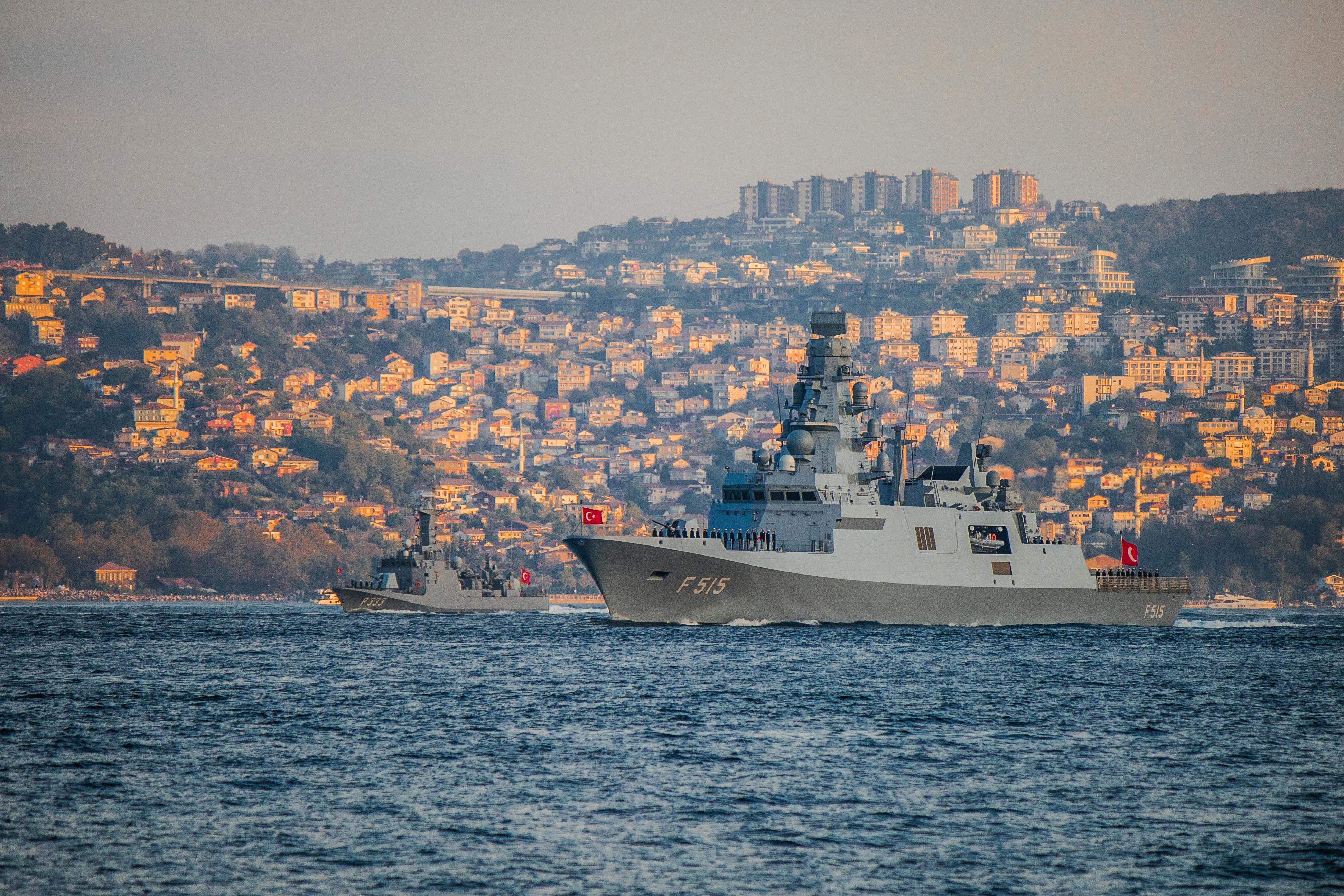
The dispute is not one thing. It is several fights layered on top of each other, which is why it keeps dragging on. The nuclear issue is the headline, but shipping control, regional war, and political credibility are all in the mix. Anyone pretending this is just about uranium is selling a neat story that the facts do not support.
- Talks collapsed over nuclear commitments. U.S. officials say Iran refused to accept language that would bar any route to a nuclear weapon. Iran says the U.S. demanded too much and refused to trust written commitments already on record.
- The Strait of Hormuz is the pressure point. Before the war, roughly one-fifth of global oil traffic moved through it. Iran’s ability to disrupt that route gives it bargaining power even when it is losing elsewhere.
- The ceasefire is fragile. With the 14-day window expiring on April 22, both sides are trying to force the other to blink first. That is not peace. It is a holding pattern with explosives nearby.
- Lebanon remains tied in. Israel’s strikes there have continued, with Lebanese officials saying six people were killed in Maaroub. Tehran and Pakistan argued the ceasefire should cover Lebanon too; Israel says it does not.
- The Gulf economy is already absorbing the shock. Oil and gas exports from the Persian Gulf are constrained, and shipping companies are having to plan around military escorts, mine-clearing work, and possible interdictions.
When I analyzed the stated positions, the pattern was plain: the U.S. wants verifiable limits and compliance, while Iran wants recognition of its civilian nuclear rights and relief from military pressure. That is not a small gap. It is the whole canyon. The talks did not fail because of a typo or a missed translator note. They failed because both sides are bargaining from fear.
It matters that Pakistan tried to mediate. Third-party facilitation can buy time, but it cannot manufacture trust out of thin air. Pakistani Foreign Minister Ishaq Dar said the parties must uphold the ceasefire and keep talking. That is sensible. It is also thin gruel when each side believes the other is trying to use diplomacy as cover for strategic gain. For context on prior escalation in the region, see Al Jazeera’s timeline of strikes and talks.
There is also a practical issue that gets less coverage than it should. A blockade or interdiction campaign in the Strait of Hormuz would not be clean. It would require surveillance, rules of engagement, mine countermeasures, and a willingness to absorb retaliation. That is not a television-friendly operation. It is slow, dangerous work, and mistakes at sea have a way of spreading.
And yes, the nuclear question is central. Iran has long denied seeking a weapon and says it wants civilian nuclear energy. The U.S. says Tehran’s enriched uranium stockpile has reached a dangerous point, and experts warn it is closer to weapons capability than many casual observers want to admit. That technical reality is why rhetoric alone will not solve this. Steel, centrifuges, and inspection regimes are not impressed by speeches.
Timeline and step-by-step
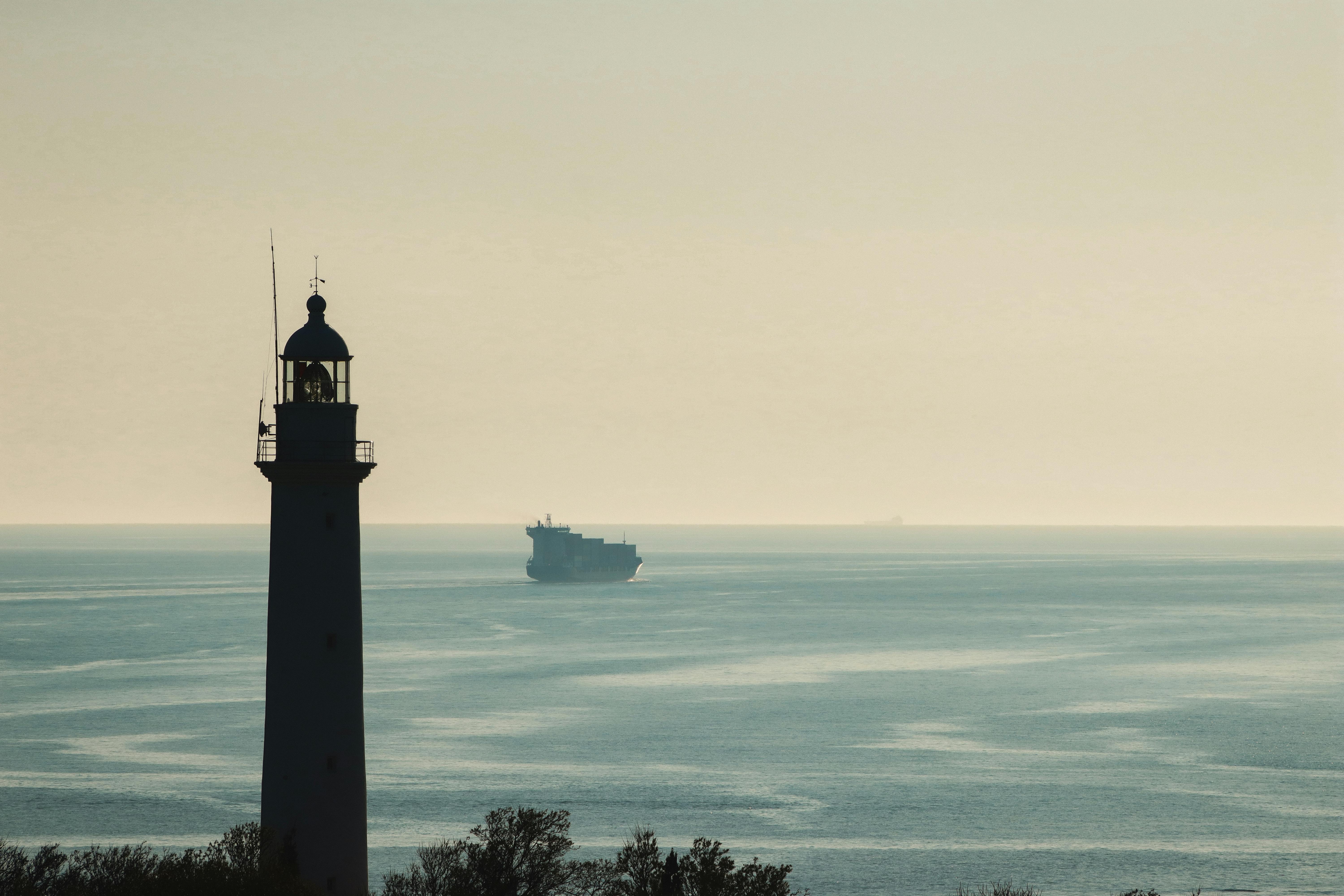
- Feb. 28: The war expands after U.S. and Israeli actions against Iran. Tehran responds by tightening its grip on the Strait of Hormuz, cutting off much of the Persian Gulf’s export flow from normal global trade.
- March: Back-channel discussions intensify. Pakistani officials later say the U.S. proposal included monitoring mechanisms, rollback of Iran’s nuclear program, and reopening the strait. Iran submits its own 10-point proposal seeking a guaranteed end to the war and a halt to attacks on its regional allies.
- Before the talks: The ceasefire is already shaky. Israel continues strikes in Lebanon, and Hezbollah remains part of the wider confrontation. The battlefield is not separate from the negotiating table; it sits on top of it.
- During the 21-hour meeting in Pakistan: Both sides hold firm. The U.S. demands an affirmative pledge against any path to a nuclear weapon. Iran says its civilian nuclear rights must be recognized and that Washington is asking for too much.
- Sunday morning: Negotiations collapse without agreement. Iranian and U.S. officials blame each other. Pakistani mediators urge everyone to keep the ceasefire alive.
- After the talks: Trump says the Navy will “immediately” begin a blockade to stop ships from entering or leaving the Strait of Hormuz, and says vessels paying Iran an illegal toll will be intercepted.
- Current state: The ceasefire expires April 22 unless extended, and both sides are publicly saying they are ready to continue — which is usually what leaders say when they do not want to admit how narrow their options are.
The sequence matters because it shows how quickly a ceasefire can decay when the military pressure does not stop. I’ve seen this before: talks are announced, markets breathe for a day, and then the parties resume testing the ceiling. The result is a slow-motion collapse dressed up as process.
One more point. The public often assumes that because talks happen, compromise is near. Not so. Sometimes talks happen because neither side can bear the cost of total escalation. That is not peace. It is mutual exhaustion. There is a difference, and it is a big one.
For a wider view of the legal and strategic risk of maritime interdiction, see BBC analysis of Gulf shipping security. For market effects, Financial Times reporting on oil and shipping costs is useful, if predictably less dramatic than the missile headlines.
Comparison table
| Issue |
U.S. approach |
Iran approach |
What it means |
| Nuclear program |
Demand a firm pledge against any path to a weapon |
Insist on the right to civilian nuclear energy |
The core gap remains unresolved |
| Strait of Hormuz |
Interdict vessels tied to Iranian tolls; try to reopen shipping lanes |
Use control of the waterway as leverage |
Energy prices stay exposed to sudden shocks |
| Ceasefire |
Maintain the 14-day pause while pressing for concessions |
Link any lasting truce to security guarantees |
Temporary calm, not durable peace |
| Lebanon |
Separate it from the main ceasefire track |
Argue it should be included in the deal |
Regional war keeps bleeding into diplomacy |
| Biggest competitor |
Military coercion backed by naval power |
Control of shipping choke points and regional proxies |
Each side tries to outlast the other |
Common misconceptions and what to know
Most news coverage misses the real story. Here’s what actually happened: the talks did not fail because one side suddenly became irrational. They failed because both sides entered the room believing the other side was bluffing. That is a recipe for stalemate, not resolution.
Misconception 1: The Strait of Hormuz is just a regional issue. No. It affects a large share of global oil transport and, by extension, transport costs, inflation pressure, and energy security far beyond the Gulf. If the strait snarls, the bill shows up everywhere, from shipping insurance to grocery costs.
Misconception 2: Nuclear talks are separate from the war. Also no. The war, the ceasefire, the strait, and the nuclear file are the same knot. Pull one strand and the others move. Pretending otherwise is convenient, but it is sloppy.
Misconception 3: A blockade is simple. It is not. You need surveillance, enforcement, legal cover, and the stomach for retaliation. Ships can be slowed, searched, diverted, or seized. But every move carries escalation risk. Naval power looks neat on a map and messy in real life.
Misconception 4: Iran has no leverage left. Wrong again. Even under pressure, Tehran still has the Strait of Hormuz, regional allies, missile capability, and the ability to spoil markets. That does not make it strong in the broad sense, but it does make it dangerous.
Here’s the kicker: leaders often act as if pressure alone creates obedience. Sometimes it does. Often it doesn’t. A better order — and yes, I’m using that phrase carefully — needs justice as well as force. Without some honest regard for human dignity and the common good, the cycle just keeps chewing up civilians while officials insist they are being tough.
The other thing people miss is the role of trust. Iran says it has given affirmative commitments before, including in the 2015 nuclear deal. The U.S. says written promises are not enough. Both claims can be true at once. That is the unpleasant part. Diplomacy is not a ceremony. It is a test of whether either side is willing to be constrained.
For additional background on the legal stakes of maritime control, see Reuters on shipping and legal questions.
Frequently Asked Questions
Why is the Strait of Hormuz so important?
Because it is one of the world’s main energy arteries. A huge share of seaborne oil passes through it, so any disruption quickly affects fuel costs, insurance, and global trade.
Did the U.S.-Iran talks completely fail?
They failed to produce an agreement, yes. But both sides left the door open to further dialogue, which is diplomacy’s favorite way of admitting defeat without saying the word.
What is the main dispute in the talks?
The central issue is Iran’s nuclear program. The U.S. wants a clear, verifiable pledge that Iran will not pursue a weapon. Iran says it has the right to peaceful nuclear energy and rejects overreach.
Will the ceasefire hold until April 22?
Nobody can say with confidence. The ceasefire is fragile, the fighting in Lebanon continues, and the strait remains a live pressure point. That is not a stable recipe.
Final thought
What happens next will not be decided by slogans. It will be decided by whether leaders can accept restraint, whether they can put civilian life ahead of national vanity, and whether they understand that power without moral discipline usually ends up damaging the very people it claims to protect. That is the hard lesson here. The sea is wide, but the margin for error is not.