Tumwater Apartment Fire Cause: Investigators Trace Blaze to Wall Socket
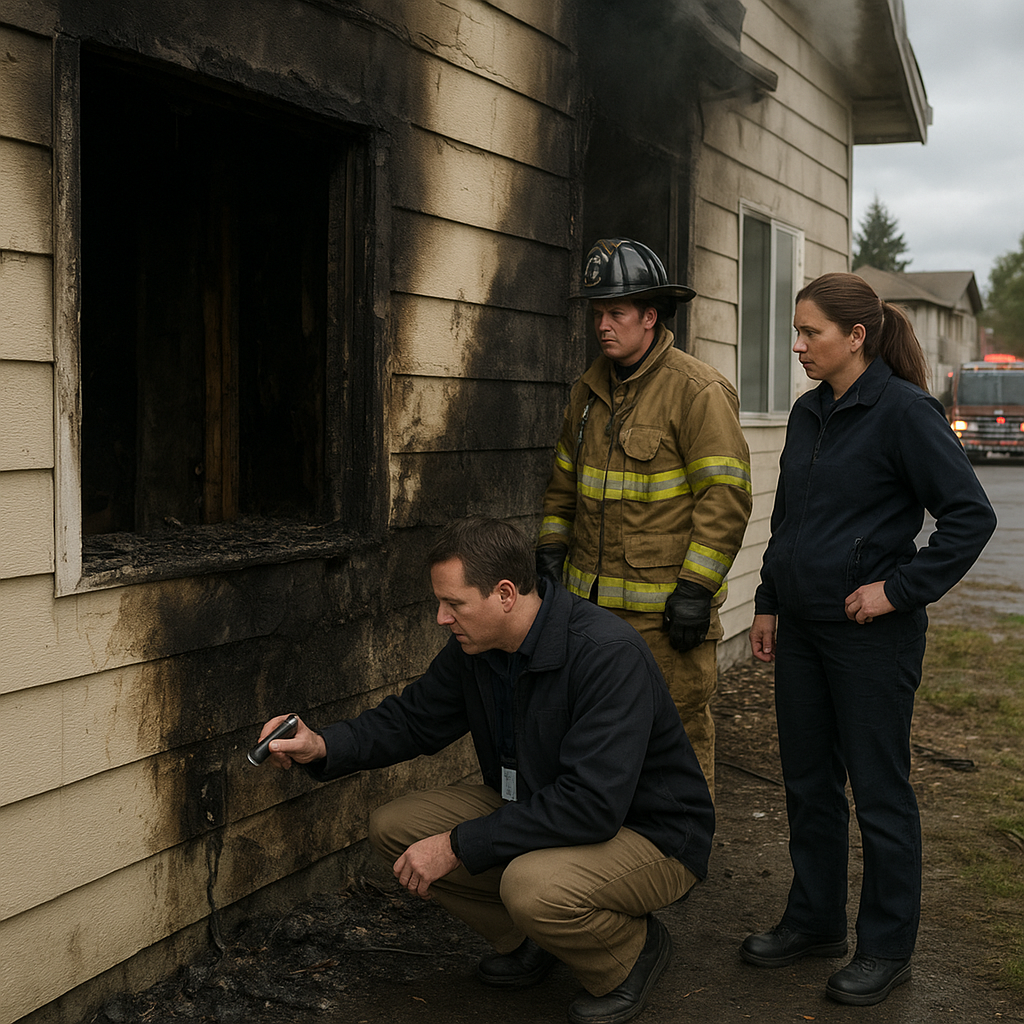
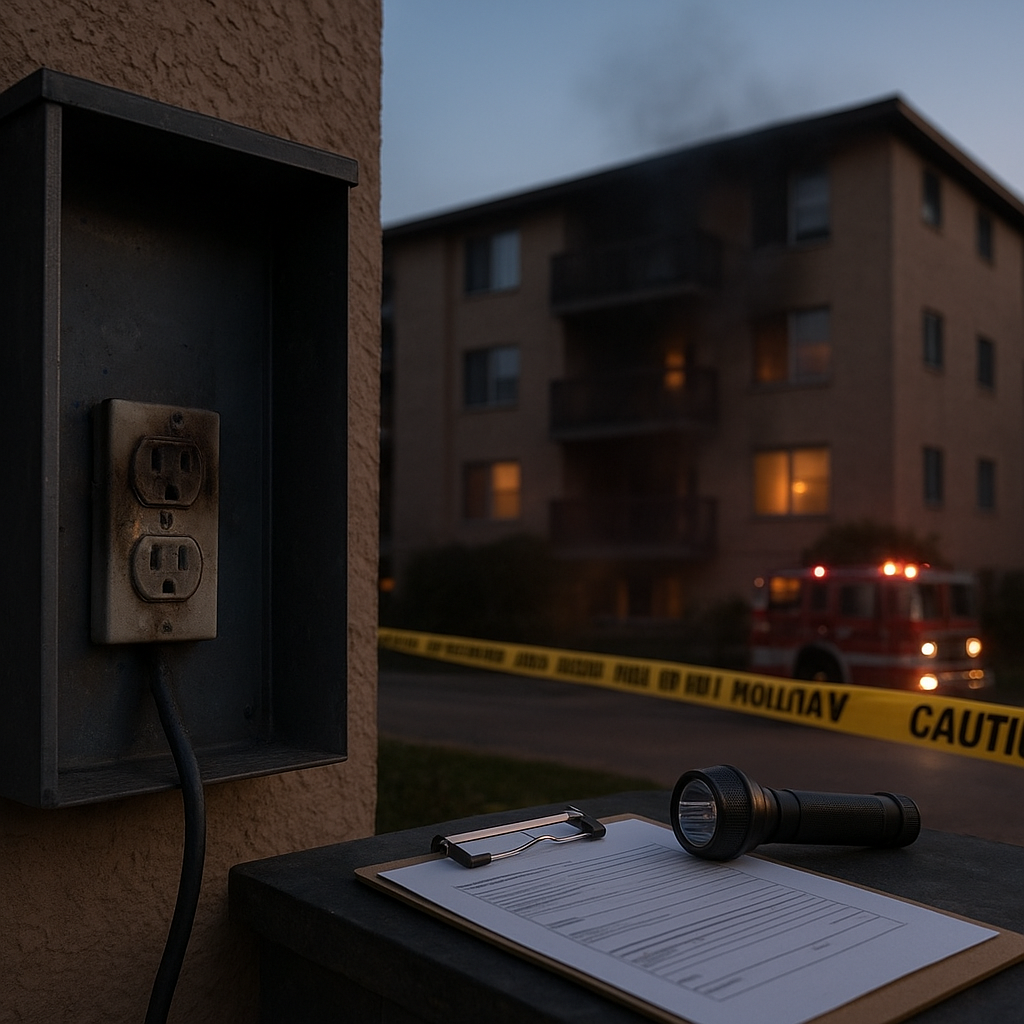
Investigators say an improperly functioning wall socket ignited a bed and bedding in the Oct. 15 fire at a Tumwater apartment building. The blaze damaged about 30 units and displaced 63 people. No one was injured, and firefighters rescued residents as smoke, flames and water left dozens of apartments uninhabitable.
The fire occurred in the 300 block of Israel Road Southwest, across from Tumwater City Hall and fire department headquarters. The investigation’s cause determination came about two weeks after the fire, according to city spokesperson Jason Wettstein, who spoke with The Olympian. The reporting does not specify the year of the Oct. 15 incident.
The cause matters, but it is only one piece of the event. The immediate consequences were displaced households, damaged homes and a need for temporary support. Those details should not be blurred together: investigators identified a likely ignition source, while the Red Cross described the reach of the damage and displacement. They answer different questions.
What Is the Tumwater Apartment Fire?
The Tumwater apartment fire was a two-alarm residential fire at a building on Israel Road Southwest. Fire investigators concluded that an improperly functioning wall socket caught a nearby bed and bedding on fire. That wording is important. It identifies the investigators’ finding without claiming that the precise electrical fault, the socket’s condition before the fire, or the responsible party has been publicly established.
The building sits in the 300 block of Israel Road Southwest, across from City Hall and the city’s fire department headquarters. That proximity is a useful location detail, not an explanation for how the fire spread or how quickly crews arrived. Those facts are not reported. Deputy Fire Chief Shawn Crimmins said about 40 firefighters fought the two-alarm blaze. Firefighters used a ladder to rescue an occupant trapped on the second floor and carried a child to safety during the response.
The fire did not end when the flames were controlled. Smoke and water, as well as fire, damaged apartments; the Red Cross said those effects left dozens of units uninhabitable. About 30 units were reported damaged, and 63 people were displaced. No one was reported injured. The available information does not say how many residents lived in each unit, how long individual households were displaced, or when repairs would allow people to return.
When I separate the confirmed details from the blanks, the central point is plain: this was a large residential disruption without reported injuries, and its cause was traced to a socket near bedding. Those facts can coexist. A fire can cause serious housing loss even when emergency crews prevent injuries. That distinction matters to residents, neighbors and anyone trying to understand the scale of recovery.
For local fire-service information, readers can consult the Tumwater Fire Department. The Olympian’s local news coverage reported the investigation finding and response details. Neither a general department page nor a news section should be mistaken for a detailed fire investigation report; no such report is cited here.
Core Details and Context
The most useful way to read this incident is to keep the reported facts in separate categories: cause, response, damage and recovery. Headlines often compress those into one sentence. The compression hides what residents actually need to know and what remains unconfirmed.
- Reported origin: Investigators believe an improperly functioning wall socket caught a nearby bed and bedding on fire. The report does not describe the socket’s exact fault or publish a technical inspection result.
- Location: The fire was at an apartment building in the 300 block of Israel Road Southwest, across from Tumwater City Hall and fire department headquarters.
- Scale: The fire damaged about 30 units. The Red Cross said fire, smoke and water left dozens of apartments uninhabitable.
- Displacement: Sixty-three people were displaced. The reported number counts people, not apartments, and does not explain how many households were involved.
- Emergency response: About 40 firefighters fought a two-alarm fire. A ladder rescue brought an occupant down from the second floor, and firefighters carried a child to safety.
- Injuries: No injuries were reported. That is a significant outcome, but it does not make the property damage or disruption minor.
- Community assistance: The city previously shared that nonprofits provided items and services including hygiene supplies, clothes and shelter. The organizations named in reporting were the American Red Cross, Family Education and Support Services, FD CARES and the Salvation Army.
Here is the less obvious point: the number of apartments damaged and the number of people displaced measure different things. Thirty units gives a rough sense of the physical reach; 63 people describes the human consequence. Neither number tells us the repair bill, the amount of personal property lost, or how much help each household needs. Those figures were not reported.
The nonprofits’ response is also part of the event, not a footnote. Temporary shelter, clothing and hygiene supplies address immediate needs, while longer-term recovery may involve repairs, replacement belongings and stable housing. The specific duration and terms of assistance in this case are not reported. The Red Cross disaster assistance page explains the organization’s general disaster services; it should not be read as a full account of what each displaced Tumwater resident received.
Several GoFundMe campaigns appeared after the blaze. The campaign titles named in reporting were Help Ziggy rebuild after the fire; Help Avery and Trevor rebuild after devastating fire; Help Emily and Geoffrey rebuild after fire; Help Bree’s Family rebuild after the fire; Help Cheyenne rebuild after the Sincerest Apartment Fire; and Coming together for Kori after her apartment fire. GoFundMe said it had verified these fundraisers. No campaign links, amounts raised, withdrawal details or individual household circumstances are reported here. A campaign title alone cannot establish how much a family needs or how money will be used.
Timeline: What Happened
The available timeline is brief. It gives a date for the fire and an approximate interval before investigators determined its cause, but it does not provide the time of day, the dispatch chronology or a day-by-day recovery schedule. Filling those gaps with guesses would make the account sound more complete while making it less reliable.
- Oct. 15 — The fire begins. A fire breaks out in the apartment building in the 300 block of Israel Road Southwest. The reporting does not state the year or the time the first call came in.
- Fire crews respond. About 40 firefighters fight a two-alarm fire. The building’s proximity to City Hall and the fire headquarters is known; the response time and the sequence of arriving units are not reported.
- Residents are rescued. Firefighters use a ladder to reach an occupant trapped on the second floor and carry a child to safety. The available account does not identify either person, and there is no reason to speculate about their identities.
- The fire leaves substantial damage. Fire, smoke and water damage apartments. The Red Cross reports that dozens of units are uninhabitable; about 30 units are described as damaged, and 63 people are displaced. No injuries are reported.
- Local groups assist residents. Nonprofits provide practical support, including clothing, hygiene supplies and shelter. The city named the American Red Cross, Family Education and Support Services, FD CARES and the Salvation Army among the organizations involved.
- About two weeks later — Investigators identify the cause. City spokesperson Jason Wettstein tells The Olympian that investigators believe an improperly functioning wall socket ignited nearby bedding. The report does not give a more exact date for the determination.
- Fundraisers appear. Several GoFundMe campaigns are listed by the platform as verified. The available reporting does not provide their totals or the status of the residents’ longer-term recovery.
When I review that sequence, I see two clocks running at once. The emergency response unfolds over the fire itself; housing recovery takes longer and depends on damage assessments, repairs and each household’s circumstances. The public details document the first clock more clearly than the second. That is common in early incident reporting, but it means the story should not imply that displacement ended when the cause was identified.
Comparison: Investigators’ Finding and the Unanswered Questions
There is no meaningful commercial competitor to compare with a local apartment fire, and the available reporting offers no second fire or competing official account. The responsible comparison is between what investigators said they established and what has not been reported. Treating an unsupported alternative as a rival explanation would create false balance.
| Issue | Investigators’ finding or reported fact | What remains unreported |
|---|
| Fire origin | An improperly functioning wall socket reportedly ignited a nearby bed and bedding. | The exact electrical failure and any technical inspection findings. |
| Property impact | About 30 units were damaged; fire, smoke and water left dozens uninhabitable. | Repair costs, the full damage assessment and a return-to-home schedule. |
| Human impact | 63 people were displaced; no injuries were reported. | Individual household needs and how long each person lacked a home. |
| Fire response | About 40 firefighters fought a two-alarm fire; two residents were described as rescued. | Call time, response intervals and a detailed operational account. |
| Community aid | Nonprofits provided shelter and basic supplies. | The amount, duration and specific distribution of assistance. |
| Fundraising | GoFundMe said it had verified several campaigns. | Campaign totals, disbursements and individual fundraising arrangements. |
This distinction is not hairsplitting. A finding about origin is not a full explanation of every factor that shaped the incident. The public account does not say whether the socket had shown warning signs, whether the building had previous electrical complaints, or whether any inspection or maintenance issue was found. It would be unfair to residents, owners and workers to imply answers that have not been reported.
Likewise, “30 units damaged” and “dozens uninhabitable” should not be forced into a contradiction. One description counts units with damage; the other emphasizes units that could not be occupied after fire, smoke and water affected them. The terms may overlap, but the reporting does not define the count in enough detail to reconcile every unit. The safe reading is that the blaze affected about 30 apartments and left dozens uninhabitable, not that the two figures are precise, mutually exclusive categories.
The table also shows why a verified fundraiser is not the same thing as a complete recovery record. Verification, as described in the reporting, refers to the platform’s status for those campaigns. It does not tell readers how much money came in, whether a campaign reached its goal, or which costs it covered. Those are separate questions. Frankly, the numbers that matter most to a displaced family may never be visible in public coverage, and that privacy should be respected.
Common Misconceptions and What to Know
Misconception: Investigators identified a socket, so the full cause is public. Not quite. The reported finding identifies an improperly functioning wall socket and nearby bedding as the point where the fire began. It does not explain the precise defect, the socket’s history, or whether investigators identified any other contributing conditions. A clear summary is not a substitute for a detailed technical report.
Misconception: No injuries means the fire was not severe. That confuses bodily injury with property damage. Firefighters rescued an occupant from the second floor and carried a child to safety, while fire, smoke and water left dozens of homes uninhabitable. No injuries were reported, which is welcome news; it does not erase displacement or the loss of a usable home. Safe housing is a matter of human dignity, not a luxury measured only by casualty counts.
Misconception: The location across from the fire headquarters proves the response was immediate. The location is reported, but dispatch and arrival times are not. The presence of a fire station nearby does not tell readers when crews were alerted, what equipment was needed or how conditions affected access. About 40 firefighters responded, but no timeline for their arrival has been published in the information cited here.
Misconception: A verified fundraiser guarantees a particular result. The reporting says GoFundMe identified the listed campaigns as verified. It does not supply the platform’s case-specific review details, the funds raised, or the terms set by campaign organizers. Readers considering a donation should check the live campaign page, organizer information, updates and stated use of funds. No campaign URL is included here, so this article does not direct donations to any one fundraiser.
Misconception: The cause determination means residents’ recovery was finished. Investigators reached a conclusion about the fire’s origin about two weeks after the incident. That milestone does not settle repair work, insurance questions, replacement housing or individual recovery. The reporting does not state when residents returned, whether all units were repaired, or what happened to each household. A cause finding closes one investigative question; it does not close the human consequences.
For general household electrical safety guidance, the U.S. Consumer Product Safety Commission offers public information. In practical terms, people who notice an outlet that sparks, smells burnt, feels unusually warm or does not hold a plug securely should stop using it and contact a qualified professional or property manager; an active fire or immediate danger calls for emergency services. That is general safety advice, not evidence about what happened at the Tumwater building before Oct. 15.
Frequently Asked Questions
What caused the Tumwater apartment fire?
Investigators believe an improperly functioning wall socket caught a nearby bed and bedding on fire, according to city spokesperson Jason Wettstein as reported by The Olympian. The exact electrical failure and any other contributing factors were not reported.
How many people were displaced?
The Red Cross reported that 63 people were displaced. Fire, smoke and water left dozens of apartments uninhabitable; about 30 units were reported damaged.
Were anyone injured in the fire?
No injuries were reported. Firefighters used a ladder to rescue an occupant trapped on the second floor and carried a child to safety during the response.
What help did displaced residents receive?
Local nonprofits reportedly provided shelter, clothing and hygiene supplies. The organizations named included the American Red Cross, Family Education and Support Services, FD CARES and the Salvation Army. Several GoFundMe campaigns were also listed as verified by the platform, but campaign totals and individual outcomes were not reported.
Final Thought
The Tumwater fire’s cause is now clearer than it was in the first days after the blaze: investigators traced the ignition to an improperly functioning wall socket beside a bed. The broader account remains incomplete. Public reporting gives the scale of the response, the number of people displaced and examples of immediate community assistance, but it does not chart each household’s return to stable housing or explain the full repair process.
That gap deserves care, not guesswork. A person who lost a place to sleep is not merely a statistic in a fire report; each resident has different needs, responsibilities and plans. The neighbors, nonprofits, public agencies and building workers involved in recovery have practical obligations, and the public has a legitimate interest in safety and accountability. But accountability requires evidence, not an invented culprit or assumptions about an electrical fault that investigators have not described in detail.
The common good is served by reporting what is known, naming what is not, and recognizing the labor behind emergency response and recovery. Forty firefighters helped bring the incident under control; local organizations helped meet urgent needs; residents still faced displacement. Those facts sit together. The wall socket finding explains where investigators believe the fire began, while the people affected explain why the story matters after the flames are gone.