The <strong>U.S. Forest Service</strong> is being reorganized. For Alaska, that means questions, and not the clean, conference-room kind. It means uncertainty...
The U.S. Forest Service is being reorganized. For Alaska, that means questions, and not the clean, conference-room kind. It means uncertainty about staffing, reporting lines, travel, and whether a federal agency built for local land stewardship can still function when its own map keeps changing.
Key Takeaways
- The Forest Service reorganization is reshaping regional offices and reporting lines.
- Some Alaska staff now face unclear duties, travel burdens, and possible staffing changes.
- The biggest issue is not the org chart. It is whether remote forests still get steady management.
- In Alaska, stewardship, public access, and local knowledge matter more than bureaucratic tidy-up.
What is the U.S. Forest Service reorganization? It is a management overhaul inside the Department of Agriculture. It changes how the agency is arranged, which offices oversee which functions, and how decisions move from Washington to the field. On paper, that sounds like housekeeping. In practice, it can change who approves projects, who supervises staff, and how quickly a ranger district gets support.
Alaska is not like the Lower 48. That is the part many national reporters skip.
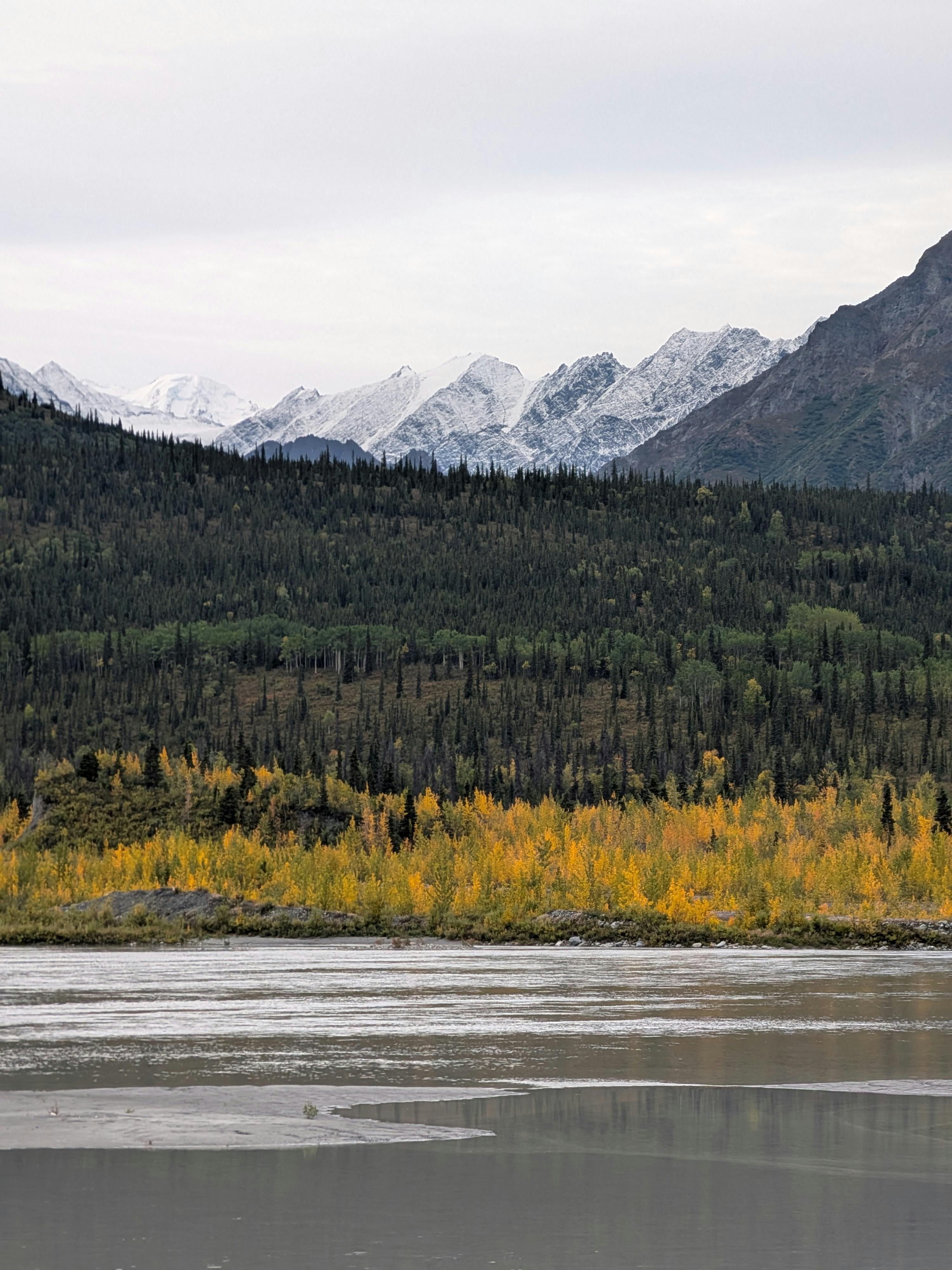

The state’s federal forests are vast, remote, and expensive to manage. The Tongass National Forest and Chugach National Forest cover huge areas where a simple meeting can require a flight, a boat ride, or both. So when headquarters redraws lines, the effects are not abstract. They show up in fuel budgets, travel schedules, chain-of-command confusion, and whether a seasonal employee can get answers before field season starts.
I’ve covered federal agencies long enough to know this: reorganizations usually arrive wrapped in words like “efficiency” and “alignment.” Then the field staff do the math. Often, the math is ugly.
Here is the kicker. Bureaucratic reform is not automatically bad. Some changes are overdue, especially if an agency has too many layers and not enough accountability. But a good reorganization should improve service to the public, not merely rearrange people into neater boxes. A public agency exists for the common good, not for its own convenience.
The Forest Service manages lands for timber, recreation, habitat, watershed protection, and wildfire response. That means the agency has to balance competing uses without pretending those conflicts do not exist. In Alaska, that balance is especially delicate because Indigenous communities, commercial users, subsistence users, and visitors all depend on the same forests and waters. If the reorganization weakens local judgment, the damage will not be visible in a spreadsheet right away. It will show up in missed deadlines and bad decisions later.
For readers looking for related Alaska policy coverage, see Alaska Public Media, Anchorage Daily News, and Forest Service background material at USDA Forest Service.
Core Details and Context
The agency’s reorganization matters for Alaska because the state’s federal lands are difficult to manage from far away. The reorganization is not just an internal shuffle. It can change daily work.
- Reporting lines may shift. If a ranger district now answers to a different regional or national office, local staff may spend more time seeking approvals and less time doing field work.
- Travel costs can rise. Alaska offices already operate with high travel expenses. A new management structure can add more trips to Anchorage, Juneau, or Washington.
- Seasonal hiring can slow down. Field work in Alaska has narrow windows. If hiring and onboarding get delayed, work plans slip fast.
- Local knowledge can get buried. Remote forests reward people who know weather, access routes, subsistence use, and community needs. A central office cannot fake that.
- Fire and emergency response remain critical. The Forest Service is not just a land manager. It is part of the wildfire and incident response network.
Most coverage of government restructuring misses the real issue. The question is not whether an org chart looks cleaner. The question is whether the people on the ground still have enough authority to act.
That is especially important in Alaska, where a delay of two weeks can wipe out a field season. A permit decision, a trail repair, or a habitat project cannot always wait for another memo. Frankly, that is what bureaucrats in Washington tend to overlook.
The Forest Service’s public mission includes multiple duties that can pull against one another:
- Recreation access for hikers, hunters, anglers, and tourists
- Timber management in places where it remains legal and appropriate
- Watershed protection for rivers, salmon habitat, and drinking water supplies
- Wildfire suppression and mitigation
- Community partnerships with tribes, boroughs, municipalities, and state agencies
Those duties are not just policy words. They are stewardship responsibilities. A government that manages forests badly is not merely inefficient; it is failing at a moral task entrusted to it.
The Forest Service also has to work alongside the National Park Service, Bureau of Land Management, U.S. Fish and Wildlife Service, and Alaska state agencies. That means any internal reshuffle can create friction across the whole field of public land management. If one office changes its approval process, another office feels it immediately.
For background on Alaska forests and federal land policy, readers may also find BLM Alaska and the National Park Service Alaska regional office useful.
The biggest worry among employees is not dramatic. It is ordinary. Who do I report to? Who signs off on this? Will my job move? Will my district lose support? Those questions are the daily stuff of uncertainty, and uncertainty is costly when you work in a place where weather and geography already make everything harder.
I’ve seen this pattern before. Reorganization often promises cleaner lines of authority, then produces a murky stretch where nobody knows who owns what. That limbo is bad enough in an office building. In Alaska, it can stall work that depends on short seasons and long distances.
Timeline and What Actually Happened
- The agency began revising its internal structure. The reorganization was framed as a way to improve accountability, reduce duplication, and line up staffing with mission priorities. That is the official language. You can hear the restraint in it.
- Regional and field employees started reading the fine print. Staff members in Alaska looked for clues about which duties would move, which offices would gain oversight, and whether field posts would be consolidated or left hanging.
- Questions surfaced about Alaska-specific impacts. Alaska’s vast geography means any centralization has outsized effects. If a decision-maker is farther away, the response time stretches. Simple enough.
- Local workers began bracing for operational disruption. That includes hiring, travel, procurement, and day-to-day supervision. The reorganization may not cut jobs outright, but it can still make jobs harder to do.
- The real effects depend on implementation. That is the part no press release can dress up. A reorganization looks one way on paper and another in the field. The final outcome will depend on budgets, vacancy rates, and whether leadership listens to people who actually know the ground.
When I analyzed agency restructurings over the years, the pattern is clear: the first round of damage is confusion, the second is drift, and the third is silence. By the time leadership calls it a success, field staff have usually absorbed the pain quietly.
That is why Alaska matters. The state is a stress test for federal administration. If a policy works in Juneau, Ketchikan, and the Tongass, it has a better chance of working elsewhere. If it fails there, the weakness is built in.
| Factor | U.S. Forest Service Reorganization | Status Quo / Prior Structure |
|---|
| Decision-making | More centralized oversight, at least initially | Familiar chains of command |
| Speed of approvals | Could slow down during transition | Generally predictable |
| Alaska field flexibility | Risk of less local autonomy | More established district-level routines |
| Travel burden | May increase if staff must coordinate farther away | Usually more settled |
| Hiring and onboarding | Possible delays while roles are redrawn | Existing processes already understood |
| Accountability | Could improve if managed well | Often fragmented across old layers |
| Risk to seasonal work | Higher during transition | Lower, because processes are known |
The comparison is plain. Change can fix old problems, but it can also create new ones.
That is why the biggest competitor to this reorganization is not another federal agency. It is competence. A better structure must outperform the old one in real conditions, not just in a slide deck.
Common Misconceptions and What to Know
The first misconception is that every reorganization saves money. Not true. Sometimes it just moves costs around. Travel can rise. Coordination can get slower. Staff turnover can increase. The public pays for that in the end.
The second misconception is that consolidation always improves efficiency. Maybe in a call center. Less so in a place where one district office may serve hundreds of miles of rugged terrain. Alaska punishes one-size-fits-all planning.
The third misconception is that staff anxiety is just resistance to change. That is lazy thinking. Workers who raise concerns are often the ones who know where the system can break. They are not always protecting turf. Sometimes they are protecting service.
The fourth misconception is that the public only notices forest management during wildfire season. Wrong. The work is year-round. Permits, habitat monitoring, visitor services, subsistence coordination, road maintenance, and law enforcement all keep running, even when headlines move on.
Here’s what nobody tells you. Federal reorganizations are usually sold as neutral management fixes, but they always contain values. Who gets authority? Who gets travel money? Who gets heard? Those are moral questions, not just administrative ones. Good stewardship means more than balancing numbers; it means respecting the people who depend on the land and the people who care for it.
The other thing worth saying, bluntly, is that Alaska communities are used to being managed from a distance. That does not make it right. Public institutions should honor human dignity and local responsibility, not treat remote communities as footnotes.
For more on how federal land decisions affect Alaska communities, see Alaska Public Media environment coverage and the Tongass National Forest page.
Frequently Asked Questions
What is the U.S. Forest Service reorganization?
It is an internal restructuring of how the Forest Service assigns responsibilities, oversight, and reporting lines across its offices. The goal is usually to improve efficiency and accountability.
Why does the reorganization matter for Alaska staff?
Alaska’s geography makes centralization harder to manage. If decisions move farther from the field, staff may face more delays, more travel, and less flexibility.
Will the reorganization cut jobs in Alaska?
That depends on implementation. Some restructurings do not eliminate positions outright, but they can still affect hiring, supervision, and workload.
Why are remote forests harder to manage?
Because distance, weather, limited transportation, and short field seasons make even routine tasks more complicated. A small delay can snowball fast.
Final Thought
This is not just an office shuffle. It is a test of whether federal managers understand the country they are managing.
Alaska exposes weak planning fast. The state is too large, too remote, and too dependent on competent public service for cosmetic reform to pass as success. If the reorganization strengthens field offices, speeds decisions, and respects local knowledge, then fine. If it mainly concentrates power and leaves staff guessing, the agency will have traded clarity for confusion.
That would be a bad bargain. Public land management should serve the common good, protect the vulnerable, and steward what has been entrusted to it. The measure is simple: does the new structure help people do the work, or does it make the work harder? In Alaska, nobody has the luxury of pretending that answer does not matter.