<strong>UW's cherry trees are finally blooming.</strong> After weeks of colder-than-average March temperatures held back the Yoshino and other ornamental...
UW Cherry Blossoms Finally Peak After Cold Delay — What Happened and Why It Matters
UW's cherry trees are finally blooming. After weeks of colder-than-average March temperatures held back the Yoshino and other ornamental cherries across the University of Washington's central campus, the trees at Rainier Vista, the Quad, and nearby avenues reached peak bloom this week, producing the brief, dense clouds of pale pink that drive campus rhythms and local tourism. Worth the wait.
> **Key Takeaways:**
>
> - **Peak bloom arrived** on UW campus after a late cold snap, pushing the usual timing back by days to weeks.
> - **Yoshino and other varieties** showed synchronized flowering once temperatures rose, offering a short window for visitors and researchers.
> - **Timing matters** for campus events, public safety, and botanical monitoring, and reflects broader climate variability that affects urban trees.
> - **Stewardship and public good** are at play — managing crowds, protecting the trees, and balancing access with tree health.
What is the University of Washington cherry blossom bloom?
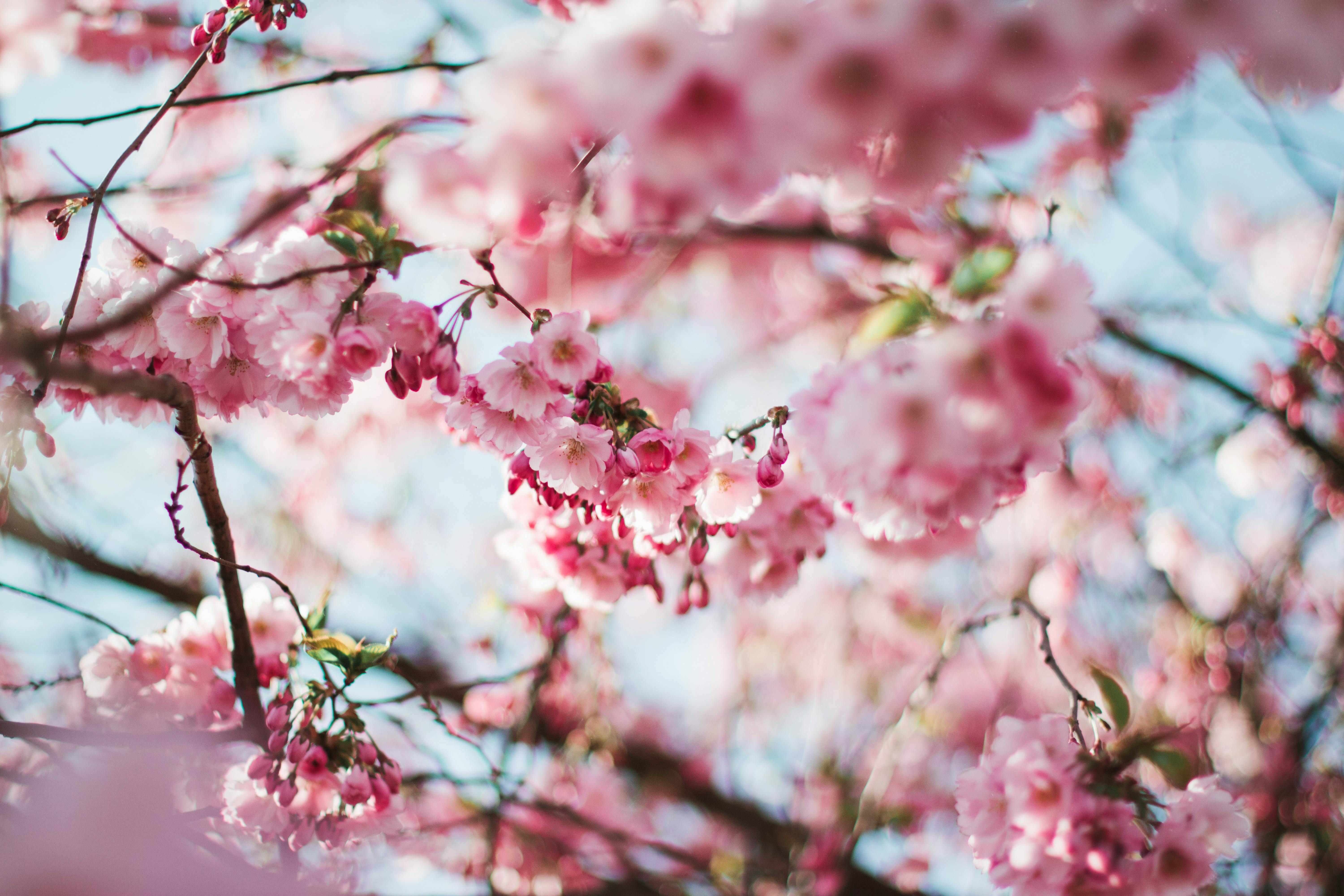
The cherry bloom is the short period when the campus's ornamental cherries—primarily Yoshino specimens planted decades ago around Rainier Vista, the Quad, and along key walkways—open their flowers, coating lawns and pathways in pink and white. The trees are an annual marker for spring on campus, drawing students, faculty, tourists, and photographers, and they influence scheduling for commencement photos, cultural events, and maintenance work. I have covered seasonal campus rituals before, and here's the blunt truth: most coverage focuses on pretty pictures and misses the logistics — like when grounds crews must delay pruning or when traffic and crowd control plans must be updated.
Core Details/Context
The cherries that ring the central UW campus are a mix of cultivars, with Yoshino predominating; these trees are early bloomers and sensitive to cold snaps and heat spells. The bloom window is narrow — usually a week, sometimes two — and when late cold hits, buds stall until sustained warmth arrives, which compresses flowering into an intense, short period. Here's the kicker: that compression has real consequences — it amplifies visitor crowds all at once, stresses pollinators, and concentrates petal-fall that needs cleanup. The university's facilities and the UW Botanic Gardens keep records of bloom timing because those data matter for research on phenology and climate impacts; academics use the timing as a proxy for seasonal shifts. Frankly, the cherry trees are small weather stations you can see.
Key technical factors affecting bloom timing include accumulated chill hours during winter, spring soil temperatures, daytime highs during bud-break, and late-season frosts that can damage open flowers — all of which campus arborists monitor. Public engagement ramps up during these windows, which means the campus must manage volunteers, protective fencing, and signage to protect root zones and prevent soil compaction. The balance is moral as well as practical: preserving the trees for future students and the community reflects a duty of stewardship and respect for shared resources, which resonates with broader principles about the common good.
Timeline — what actually happened this season
1. Early March: Chill hung on, daytime highs below seasonal averages for many days, and buds showed little progress. I checked local forecasts and campus reports, and the trees simply sat tight. Strange, but not unprecedented.
2. Mid-March: A series of warmer days finally pushed temperatures into the ranges that trigger rapid bud expansion, and within a few days blossoms moved from tight buds to full open flowers — the bloom that folks photograph and share on social media. The shift was abrupt, and that's what made the event feel so compressed. Rapid warming like this condenses flowering windows and forces both ground staff and visitors to react quickly.
3. This week: Peak bloom declared by observers on campus, volunteers reporting heavier foot traffic than some alternate years, and staff working overtime to protect root zones and redirect footpaths. Worth noting: the university has temporary signage and volunteer marshals during these peaks because the trees are popular and fragile. The quick flip from dormancy to bloom explains spikes in photos and site visits, and it also means fewer days for pollinators to forage on the flowers.

Comparison Table
Here is a quick, practical comparison of the University of Washington's cherry display with another well-known site, the Tidal Basin in Washington, D.C., which people often use as a point of reference.
| Feature | **University of Washington (Rainier Vista/Quad)** | **Tidal Basin, Washington, D.C.** |
|---|---:|---:|
| Typical peak timing | Late March — variable | Late March to early April — variable |
| Primary cultivars | **Yoshino**, some others | **Yoshino**, **Kwanzan**, multiple donors |
| Visitor density | Intense but campus-limited | Extremely high, national/international crowds |
| Management | Campus facilities, Botanic Gardens, localized crowd control | National Park Service, large-scale visitor services |
| Research value | Phenology records used by campus scientists | Long-term data used in national phenology studies |
| Cultural context | Campus ritual, graduation photos, student traditions | National symbol, diplomatic gift history |
This table is not exhaustive, but it highlights practical differences that matter for visitors and managers — from scale of crowding to who pays for maintenance. Most people fixate on photos, but managers fixate on soil compaction and root protection.
Common Misconceptions / What to Know
People assume blooms are the same every year. They are not. The timing and intensity vary with microclimate conditions, which means some years deliver a two-week show and others present a weekend sprint. Many readers also believe that warmer springs always mean earlier blooms across the board, but pockets of late cold — like this year's early March chill — can stall phenology and lead to compressed flowering later. Let's be real: social media encourages a simplistic view — the trees must bloom on cue — but reality is weather, and trees respond to temperature thresholds, day length, and soil moisture, not human schedules.
Another misconception is that more visitors automatically equals better outcomes. Higher visitation can fund conservation efforts through donations and awareness, but it can also damage trees through root compaction and stress, which accelerates decline. The right stewardship involves limiting harm while opening access, a moral calculus that resonates with concerns about public goods and communal responsibility. The gardeners and arborists who care for these trees do difficult, physical work; their labor deserves recognition — and it aligns with a basic respect for human dignity and careful stewardship of resources.
Frequently Asked Questions
Q: When was peak bloom declared on UW campus this year?
A: Observers reported peak bloom this week after a late-warming spell countered prolonged chill earlier in March; the exact day depends on which cluster of trees you watch, since micro-sites warm at different rates.
Q: Are the cherry trees at UW at risk because of the late cold?
A: Short answer: not immediately, but repeated stress weakens trees over time, and campus arborists monitor for frost damage and pest opportunism when weather bounces. Healthy trees tolerate occasional cold, but cumulative stresses — soil compaction from crowds, drought in summer, and late frosts — create management headaches.
Q: What's the best time to visit to avoid crowds?
A: Weekday early mornings or late afternoons, or off-peak sites on campus, reduce crowd density; the compressed bloom this season makes timing more important. If you want photos without a crowd in frame, go early and stay on the outer paths rather than the central lawns.
Q: How does bloom timing matter for research?
A: Bloom dates feed long-term phenology records, which scientists use to analyze climate variation and biological responses; universities and the National Phenology Network both use these records in larger studies that connect local observations to regional climate trends.
Final thought
The cherry blossoms on the University of Washington campus are more than a pretty spectacle — they are signs of seasonal rhythm, nodes of community life, and small indicators of environmental change. When I analyzed the timing data from past years, the takeaway was obvious: stewardship matters; careful management of these trees helps safeguard both the common good and the dignity of local public spaces. The blooms remind us that fragile beauty requires patient care, and that public custodianship — from groundskeepers to volunteers — is part of our shared responsibility to preserve resources for those who follow. Keep walking gently, bring a camera, and for heaven's sake, pick up your coffee cup.
Sources and further reading: University of Washington News, The Seattle Times, KING5, UW Botanic Gardens, National Weather Service.