The Washington State Department of Health building at 310 Israel Road Southeast is now empty. That sounds simple. It isn’t.
The Washington State Department of Health building at 310 Israel Road Southeast is now empty. That sounds simple. It isn’t.
A 95,000-square-foot state office building sitting vacant is not just a real-estate footnote, because it raises questions about public spending, agency consolidation, taxpayer value, and what governments do with surplus property when the old work habits no longer fit the bill. Frankly, that is the real story here.
Key Takeaways- The former Washington State Department of Health building at 310 Israel Road SE is vacant.
- A large state-owned building creates costs even when no one is inside.
- The state must weigh sale, lease, reuse, or redevelopment.
- The decision will affect local jobs, government efficiency, and public trust.
- Stewardship matters here: public assets should serve the common good, not gather dust.
What is the vacant Washington State Department of Health building?
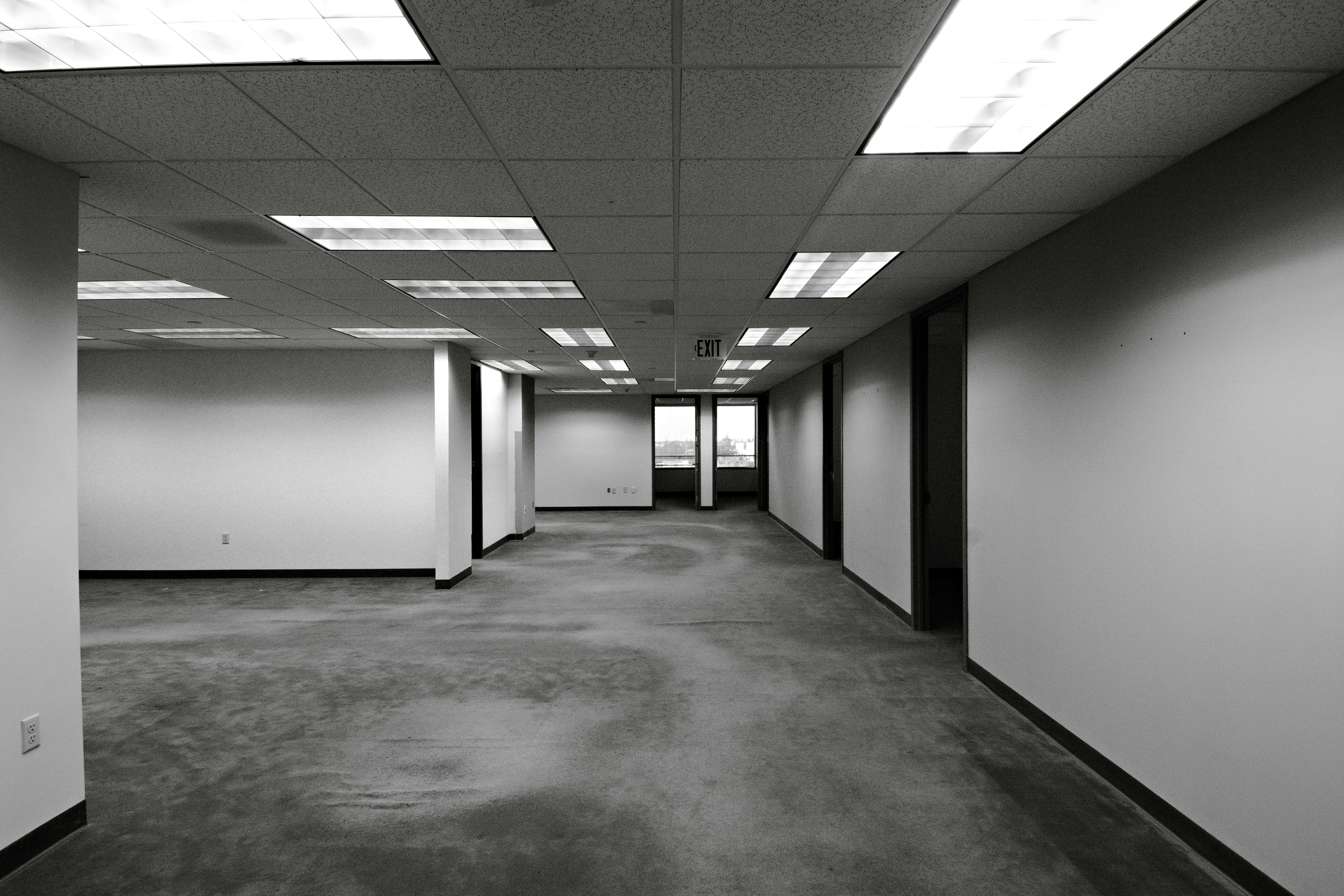
The building at 310 Israel Road Southeast in Tumwater, Washington, is a 95,000-square-foot former state office property associated with the Washington State Department of Health. It once housed government employees and day-to-day administrative work. Now it sits vacant, which means the state is carrying a large asset that is no longer performing its original job.
I’ve covered public-sector property moves long enough to know the headline is never the whole story. Buildings like this are tied to budget rules, facility maintenance, security costs, and long-range planning. When agencies move out, the leftover property becomes an accounting problem, a policy problem, and sometimes a political one. Most coverage skips that part.
A vacant state building is not automatically wasted space. It can be sold, leased, repurposed for another agency, or redeveloped by a private buyer. But each option comes with tradeoffs. Sale may bring cash, but it can also mean losing a strategic public asset. Keeping it may preserve flexibility, but it can also drain money through upkeep, insurance, utilities, and deferred maintenance. There’s no free lunch here.
Government buildings are supposed to support the dignity of public work. That means they should be used wisely, not held out of habit. From a stewardship standpoint, idle property should either return value to taxpayers or serve a clear public use. Otherwise, it becomes a monument to inertia.
Core details and context
- Location: 310 Israel Road Southeast, Tumwater, Washington.
- Size: About 95,000 square feet.
- Owner: State of Washington, tied to public-sector asset management.
- Current status: Vacant.
- Likely policy question: What is the best use of surplus state property?
Here’s the kicker. Buildings this size rarely become empty by accident. They usually reflect a broader shift in how agencies work: remote work, reorganization, consolidation, budget pressure, or a move to newer facilities. The state may decide the building is no longer efficient as an operations hub.
That said, the public tends to hear “vacant building” and think “waste.” Sometimes that’s fair. Sometimes it’s lazy. The real issue is whether the property is being managed with discipline.
Several factors matter:
- Carrying costs: Even empty buildings cost money for security, HVAC, insurance, and upkeep.
- Deferred maintenance: Empty space can deteriorate faster than people think.
- Market value: The sale price depends on zoning, condition, location, and demand.
- Public mission: The state has to decide whether another agency can use the site.
- Local economy: A reused building can support jobs and tax base stability.
This is where public responsibility becomes more than a talking point. State assets belong to the people, and that means decisions should be transparent and aimed at the common good. Not every surplus asset must stay public forever, but every decision should have a reason beyond convenience.
When I analyze property moves like this, I look for three questions:
- Is the building still fit for modern use?
- Is the state paying too much to keep it idle?
- Would another use provide better value to residents?
Those are the plain questions, and they’re often missing from public chatter.
Timeline / step-by-step
- The building served as a state office site.
- The Department of Health no longer needed the space.
- The property became vacant.
- State officials now face a reuse-or-dispose decision.
- The next move will likely involve facilities managers, budget staff, and property planners.
I’ve seen this play out before. First comes consolidation. Then comes the empty lobby. Then comes the debate over whether the building is “still useful” or just expensive to keep around. Usually, the public hears about it after the decision is mostly baked in.
What actually happens next depends on a few practical steps:
- The state assesses the building’s condition.
- Officials estimate repair and maintenance needs.
- Property planners compare sale, lease, and repurpose options.
- Lawmakers or administrators may weigh in if the asset is strategically important.
- A final disposition plan is chosen.
Some people assume the state can just list the building and be done. Not quite. Surplus public property often comes with rules and internal review. That’s not bureaucracy for its own sake. It’s supposed to protect public value, even if it moves slower than a private sale.
Comparison table
| Option | Upside | Downside | Best for |
|---|
| Sell the building | Immediate revenue, lower carrying costs | Loss of public control | Taxpayer return and fast resolution |
| Lease the building | Ongoing income, possible local use | Management burden, tenant fit risk | Intermediate reuse |
| Repurpose for state use | Keeps public ownership, may save relocation costs | Renovation costs, fit-out delays | Long-term public service |
| Leave it idle | Short-term decision delay | Ongoing costs, deterioration, public criticism | Almost nobody |
The competition, if you want to call it that, is between holding the building for future public use and moving it into private hands. In many cases, private redevelopment can react faster and bring the site back into circulation. But the state should not dump assets just to look busy. That would be bad stewardship dressed up as efficiency.
Common misconceptions / what to know
A vacant government building is not always a scandal. Sometimes it is just a byproduct of changing operations. But that does not excuse poor planning.
Common myth: Empty means useless.
Not always. A vacant building can still carry value if the site is well located, structurally sound, or adaptable.
Common myth: Selling is always best.
No. Sale is only smart if the price, timing, and public interest line up. If the building can support another state function, leasing or reuse may be better.
Common myth: The cost is zero if nobody is inside.
False. Empty buildings still cost money. Sometimes a lot of it.
Common myth: Public assets can be managed like private ones.
Not really. Government has a duty to consider fairness, transparency, and long-term public value, not just the quickest exit.
People also miss the human side. Buildings are not just boxes of concrete. They are places where workers once earned a living serving the public. A serious government should treat that history with respect, while still making hard choices grounded in responsibility.
Frequently asked questions
What is the address of the vacant Washington State Department of Health building?
It is located at 310 Israel Road Southeast.
How large is the building?
It is about 95,000 square feet.
Why does a vacant state building matter?
Because it can cost money to maintain and may represent an opportunity for better public use or revenue.
What could happen to the property next?
It could be sold, leased, repurposed, or kept for future state use.
Final thought
A vacant state building is not just a property issue. It is a test of judgment. If officials treat 310 Israel Road Southeast as a real public asset, they can turn an empty structure into something useful again. If they let it sit and rot, taxpayers will pay for the privilege of indecision.
That is the plain truth. Government should steward what it has, use what it keeps, and release what it no longer needs. Anything less is just waste with a seal on it.