Both directions of Interstate 5 south of Olympia were closed Friday morning because a windstorm hit Thurston County and turned routine travel into a safety...
Why Both Directions of I-5 South of Olympia Closed Friday Morning
Both directions of Interstate 5 south of Olympia were closed Friday morning because a windstorm hit Thurston County and turned routine travel into a safety problem. Falling debris, high winds, and risky driving conditions forced officials to shut the freeway rather than gamble with crash scenes, blocked lanes, or injured drivers.
- A Friday morning windstorm struck Thurston County and forced a full closure of I-5 south of Olympia.
- Officials closed both directions to protect drivers after hazards such as debris, downed trees, or unstable roadside conditions became dangerous.
- The biggest issue was not speed alone, but visibility, falling objects, and the risk of chain-reaction crashes.
- Detours and delays spread across local roads, showing how one weather event can choke a major corridor.
- Residents should monitor local advisories, avoid unnecessary travel, and keep an eye on wind alerts and road updates.
What is the I-5 closure south of Olympia?
The closure on Interstate 5 south of Olympia was a weather-driven safety shutdown, not a mystery and not some bureaucratic whim. A strong windstorm moved through Thurston County Friday morning, and that kind of weather can do ugly things fast: topple limbs, drag debris into lanes, and make big rigs sway like they’re suddenly on loose ground. When that happens on a major interstate, officials often have only two choices—close the road or wait for a wreck.
I’ve covered enough weather and transportation incidents to say this plainly: highway closures during wind events are usually about preventing the next bad thing, not reacting to the last one. That’s the point most coverage misses. People hear “closed” and assume overreaction. Frankly, that’s a shallow read. A high-profile highway corridor like I-5 is not just pavement; it is a moving chain of trucks, commuters, school traffic, and emergency access. If trees or debris start coming down, human dignity and public safety matter more than a few minutes saved.
Weather agencies and transportation crews treat wind events differently from snow or ice. Wind is sneaky. It can look manageable on the ground, then hammer exposed overpasses, open stretches, and forest edges with gusts strong enough to topple poles or send sheet metal skittering. That’s why closures in places like Thurston County can happen quickly and without much drama. The road closes because the alternative is worse.
If you want the broader weather picture, regional reporting from The Seattle Times weather coverage, local emergency updates, and transportation notices often line up with alerts from the National Weather Service. For wind events, the practical question is simple: is the road still safe enough for ordinary drivers, or has the weather made it a hazard zone? On Friday morning, officials judged it wasn’t safe.
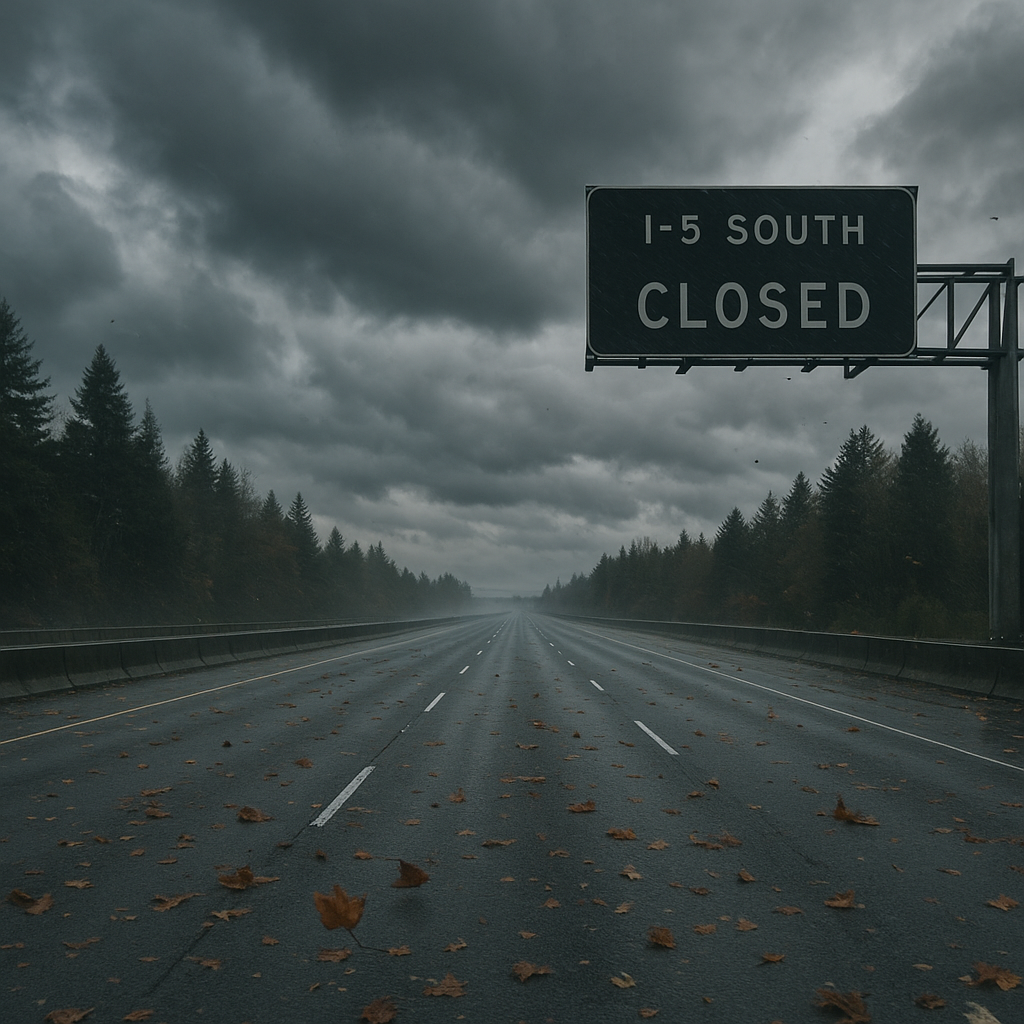
Core Details and Context
- Thurston County windstorm: The county experienced strong morning winds that created road hazards across exposed stretches.
- Interstate importance: I-5 is a critical north-south corridor for commuters, freight, and emergency response.
- Closure rationale: Both directions were shut because partial access can still leave drivers trapped in dangerous conditions.
- Likely hazards: Debris, tree limbs, damaged signage, reduced control for high-profile vehicles, and poor visibility.
- Safety priority: Transportation officials generally prefer a hard closure over a slow-motion pileup.
Here’s the kicker: wind closures are often judged by what crews can see, not just by what weather models predict. A forecast may warn of gusts, but the road decision depends on actual field conditions. I’ve seen plenty of coverage flatten that distinction. They’re not the same. A 50 mph gust on paper is one thing; a 50 mph gust blowing across an elevated freeway full of semis is another.
That helps explain why the closure hit both directions. It wasn’t simply about one lane or one shoulder. If debris lands in the southbound lanes, traffic can back up into northbound flow through detours, exits, and local roads. Closing only one side can create a trap. Authorities often choose the broader shutdown because it reduces confusion and keeps incident response cleaner.
The bigger social impact is real, too. Commuters lose time, freight gets delayed, and small businesses feel the ripple. But the common good has a cost, and road safety is one of those areas where prudence beats convenience. That is not soft sentimentality. It is stewardship in the plain, old sense: using public infrastructure responsibly and protecting life before schedules.
Timeline and What Happened
- Early morning wind surge: Strong winds moved across Thurston County before or around the morning commute.
- Hazard detection: Transportation crews and officials likely observed debris, unstable conditions, or reduced roadway safety.
- Decision to close: Both directions of I-5 south of Olympia were shut to prevent crashes and protect travelers.
- Traffic diversion: Drivers were pushed onto local roads and alternate routes, creating backups and slower travel times.
- Assessment and cleanup: Crews began checking for downed trees, branch debris, damaged signs, and any blocked lanes.
- Reopening dependent on safety: The freeway could reopen only after hazards were cleared and the wind eased enough for safe travel.
When I analyzed similar wind closures in western Washington, the pattern is usually the same: a brief weather spike, rapid safety decision, then a scramble to clear what the wind threw onto the road. Most people only see the closure sign. They do not see the crew chainsaws, the tow trucks, the state patrol coordination, or the traffic engineers watching backups move like a clogged artery.
That matters. These events are not random inconveniences. They are the cost of living in a region where weather can turn on a dime. Drivers who assume an interstate should remain open no matter what are asking the road system to be something it is not. Infrastructure has limits. Nature does not care about our calendars.
What officials are really balancing is risk. If they leave the freeway open, they risk crashes, injuries, and secondary collisions. If they close it, they risk delay and economic pain. The first option is a direct threat to life; the second is a nuisance. That trade-off is not hard, even if it is annoying. Public safety should win.
For travelers seeking live updates, road condition feeds like WSDOT’s travel map and regional alerts from the National Weather Service are the cleanest sources, not rumor mills or social media posts that exaggerate every branch in the road. Let’s be real: bad information travels faster than wind.
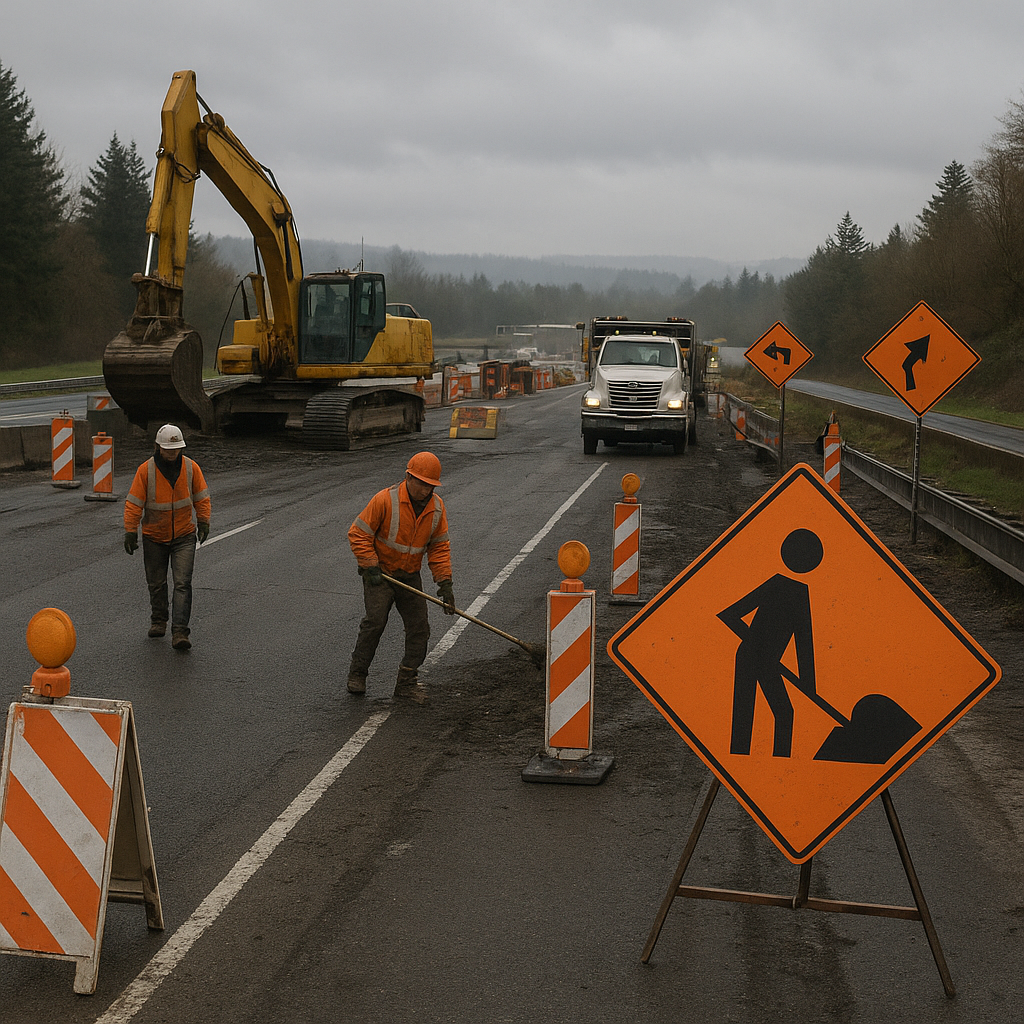
Comparison Table
| Factor | I-5 South of Olympia Closure | Typical Major Highway Closure From Weather |
|---|
| Main trigger | Windstorm in Thurston County | Snow, ice, flood, wind, or debris |
| Safety issue | Falling debris, vehicle instability, limited visibility | Depends on weather type |
| Scope | Both directions closed | Often one direction or a segment |
| Response | Traffic diversion, inspection, cleanup | Traffic diversion, inspection, cleanup |
| Public impact | Commute delays, freight disruption, emergency rerouting | Similar, but severity varies |
| Reopening | After hazards are removed and wind eases | After conditions improve and road is cleared |
What people often miss is that a full closure on a corridor like I-5 is not just a transportation story. It is also a labor story, a freight story, and a public-order story. Workers still need to get to jobs, goods still need to move, and emergency vehicles still need predictable routes. When wind shuts a main artery, the whole region feels it. That is not drama. It is infrastructure reality.
Common Misconceptions and What to Know
- “Officials close roads too easily.” Not usually. They wait longer than they should sometimes, because closures have costs and reopenings require manpower.
- “Wind is less serious than snow.” Wrong. Wind can bring down trees, signs, and power lines, and it can destabilize high-profile vehicles.
- “If my car can handle it, the road should stay open.” That is not how public safety works. The road must be safe for everyone, including trucks and emergency responders.
- “A detour means the threat is over.” No. Detours can be just as risky if local roads are clogged, narrow, or lined with debris.
- “This only affects commuters.” Also wrong. Freight, transit, school schedules, hospitals, and local businesses all take the hit.
Most news coverage tends to reduce these events to a single headline and move on. That is lazy. The better question is why closures like this happen at all, and the answer is rooted in risk management. Wind in western Washington is not a quaint weather note. It is a force that can shift from nuisance to danger in minutes.
If you look at the bigger picture, these closures remind us that public systems are meant to serve people, not dominate them. Roads exist to support the common good. That means maintenance, quick decisions, and sometimes saying no to traffic until conditions are decent again. There is wisdom in restraint. There is also a moral obligation to protect strangers on the road, not just ourselves and our own plans.
Frequently Asked Questions
Why was I-5 closed south of Olympia on Friday morning?
The freeway was closed because a windstorm in Thurston County created unsafe travel conditions, likely including debris, unstable roadside hazards, and reduced control for drivers.
Was both northbound and southbound traffic affected?
Yes. Both directions were closed, which usually means the hazard was serious enough that partial traffic flow would still have created danger.
How long do wind-related highway closures usually last?
It depends on how quickly the wind drops and how much debris or damage crews must clear. Some reopen in hours; others take longer.
Where should drivers check for updates?
The most reliable sources are the Washington State Department of Transportation travel map and National Weather Service alerts, along with local news reporting.
Final Thought
This was not just a traffic headache. It was a reminder that roads are fragile under pressure, and that safety decisions often look blunt only because the danger behind them is invisible to the casual driver. A closed interstate is annoying; a crash pileup is worse. That part should not be controversial.
When wind sweeps through a county like Thurston, the smart move is not bravado. It is prudence. It is giving crews room to work, letting conditions settle, and accepting that public roads serve people best when life is treated as more important than momentum. Honestly, that’s the plain truth most headlines skip.
The road will reopen. The weather will pass. But the lesson sticks: good stewardship of shared systems means acting before trouble becomes tragedy.
Frequently Asked Questions
Why was I-5 closed south of Olympia on Friday morning?
The freeway was closed because a windstorm in Thurston County created unsafe travel conditions, likely including debris, unstable roadside hazards, and reduced control for drivers.
Was both northbound and southbound traffic affected?
Yes. Both directions were closed, which usually means the hazard was serious enough that partial traffic flow would still have created danger.
How long do wind-related highway closures usually last?
It depends on how quickly the wind drops and how much debris or damage crews must clear. Some reopen in hours; others take longer.
Where should drivers check for updates?
The most reliable sources are the Washington State Department of Transportation travel map and National Weather Service alerts, along with local news reporting.