Tracy Arm is still open, but some cruise lines are steering clear. After last year’s historic tsunami and the geologic changes it left behind, operators say...
Tracy Arm is still open, but some cruise lines are steering clear. After last year’s historic tsunami and the geologic changes it left behind, operators say the waterway no longer looks like a safe bet for regular itineraries. That choice says something bigger about Alaska cruising: safety, shoreline stability, and the cost of pretending nature will sit still.
Key Takeaways
- Some cruise lines are avoiding Tracy Arm this year because of post-tsunami conditions.
- The issue is not just tourism; it is channel depth, shoreline change, and geologic risk.
- Tracy Arm remains a major Alaska attraction, but operators are weighing safety, reliability, and passenger experience.
- The decision reflects a broader rule of travel in unstable places: when the ground moves, schedules do too.
- For context on Alaska’s cruise economy, see coverage of Alaska news from Anchorage Daily News, travel reporting at The New York Times, and Associated Press Alaska coverage.
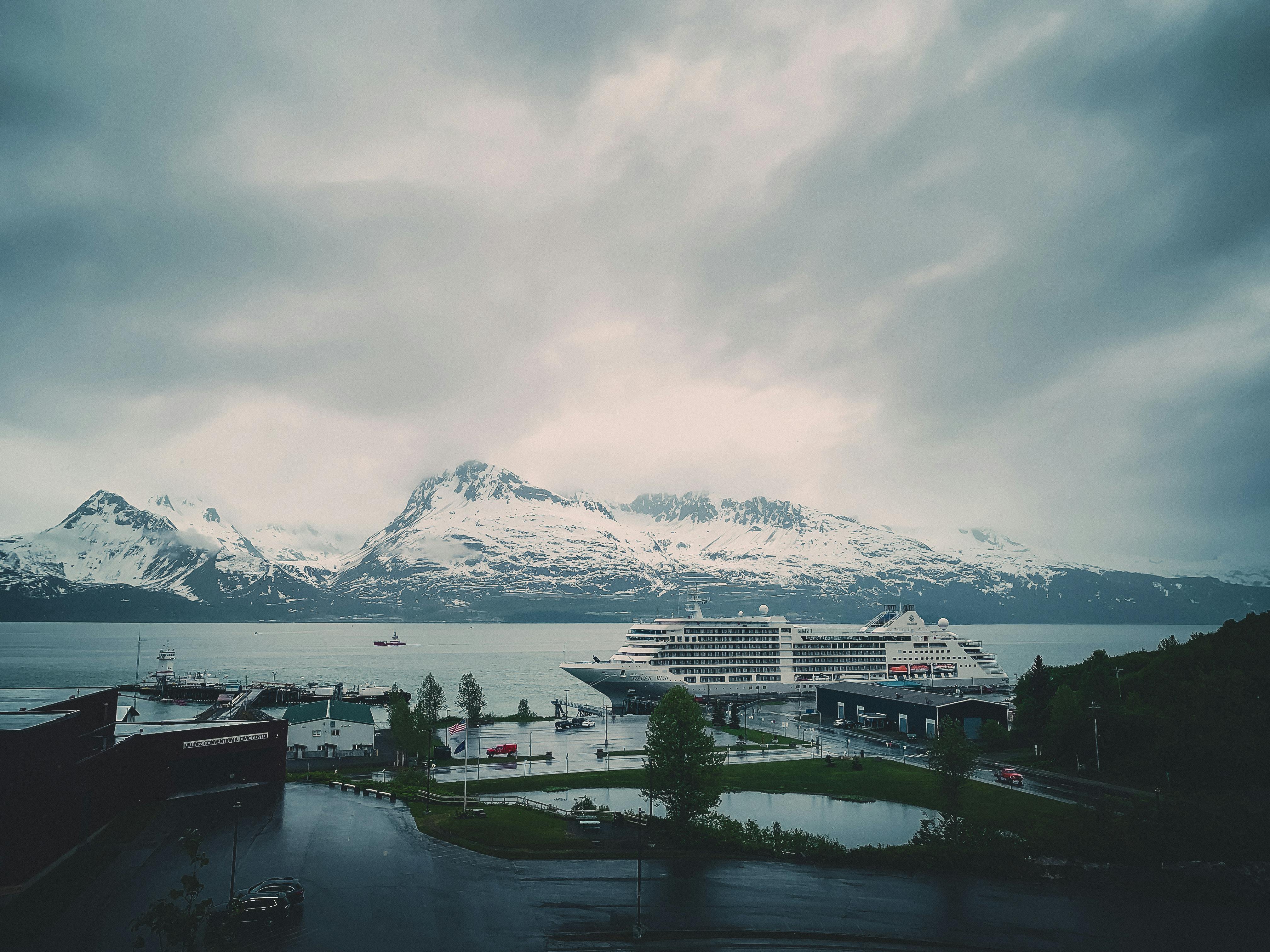
The real story is not that cruise lines got spooked. It is that they are reading the water and doing basic arithmetic. Tracy Arm, with its narrow fjord, steep walls, glaciers, and shifting debris, has always demanded caution. After a major tsunami, that caution stops being optional. Frankly, the romantic brochure version of Alaska runs straight into the hard facts of geology.
What is Tracy Arm, and why does it matter?
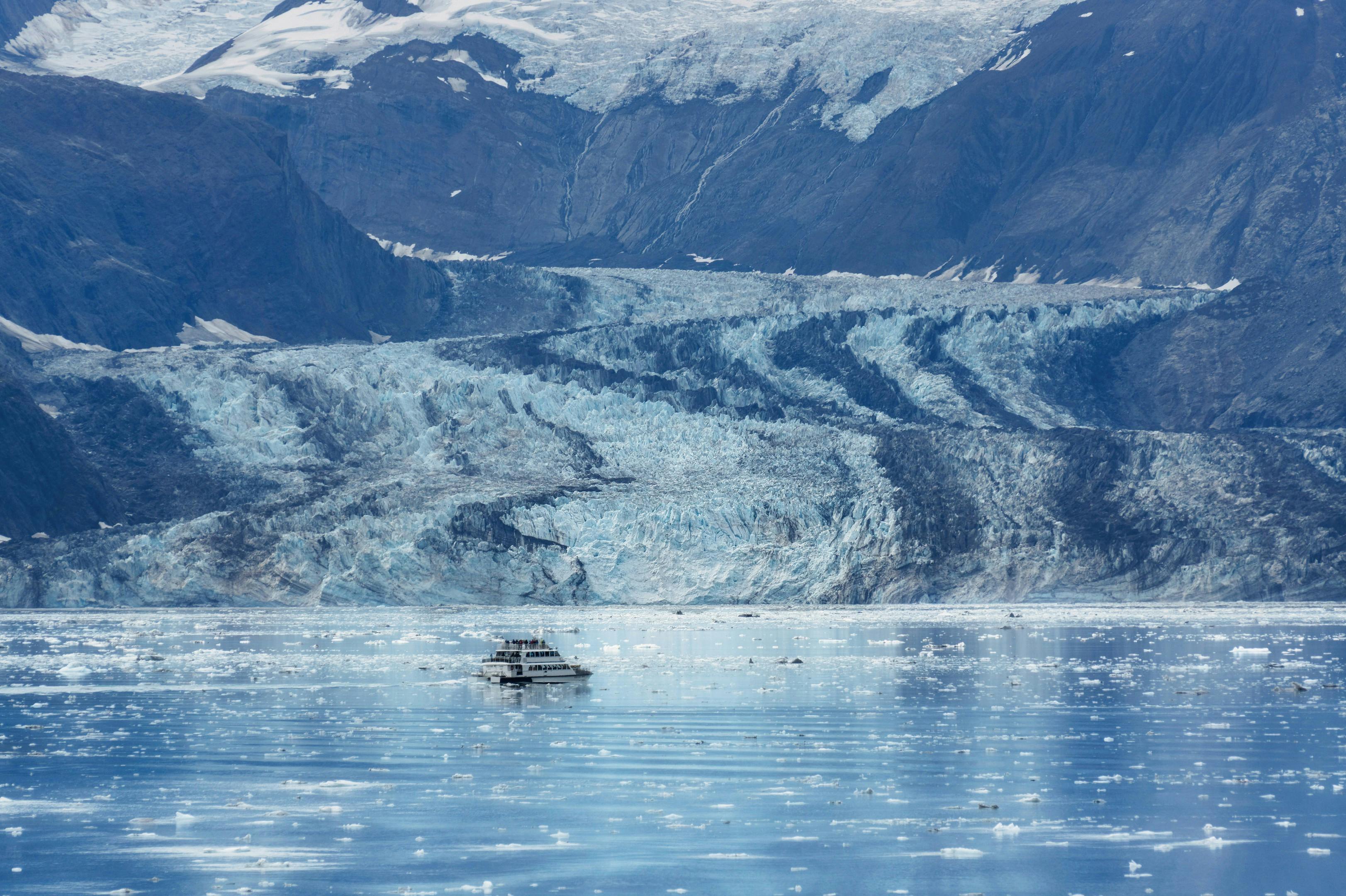
Tracy Arm is a glacial fjord in southeastern Alaska, south of Juneau, known for dramatic cliffs, floating ice, and the kind of scenery that sells cruise tickets. It sits inside the Tongass National Forest and has long been a marquee stop for ships looking to give passengers a close-up taste of Alaska’s wild side. The setting is spectacular. It is also unforgiving.
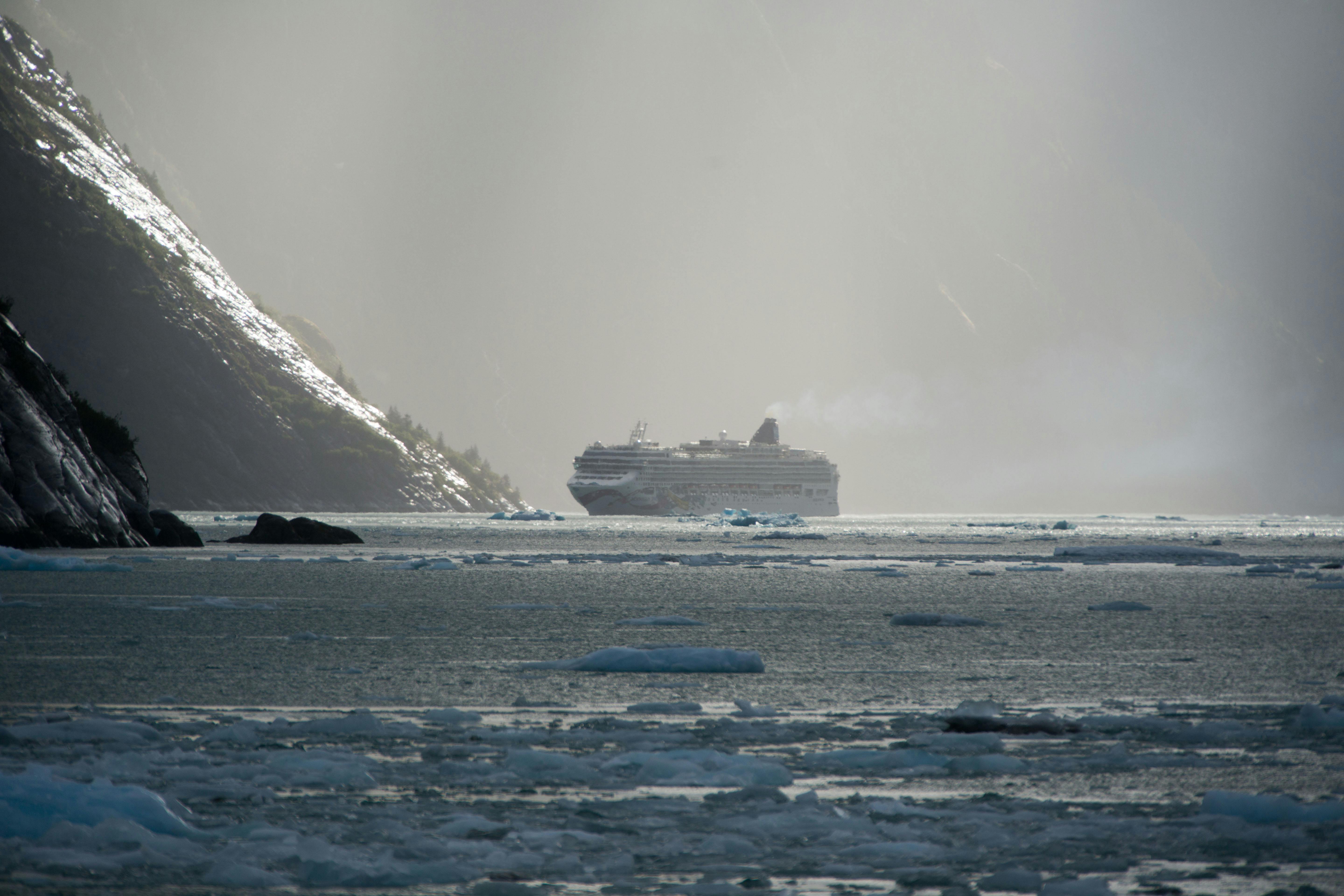
When I look at places like Tracy Arm, I do not see a postcard first. I see a narrow corridor of water shaped by ice, weather, and rockfall, where the margin for error is thin. That matters because cruise itineraries are built on precision. A ship does not just “visit” a fjord; it has to enter, turn, maneuver, and leave on time, often with limited room to spare. If the seabed shifts or debris accumulates, the whole operation changes.
After last year’s historic tsunami, some cruise operators say the waterway’s current condition makes it a poor fit for routine calls. They are not arguing that the fjord is ruined forever. They are saying the risk profile changed. That distinction matters. In travel coverage, people often confuse a temporary caution with a permanent closure. It is usually more complicated than that.
The key issue is geologic. Tsunami waves can trigger landslides, reshape shorelines, dump sediment, and alter depth in channels that were already tricky. In a place like Tracy Arm, where the cruise product depends on close navigation and visual payoff, even modest changes can force companies to rethink their route planning. Safety comes first. It has to. A business that carries thousands of people across cold water owes them more than confidence theater.
For broader context on how fragile Alaska’s coastal ecosystems can be, see this Associated Press reporting on Alaska tsunami and coastal change and NPR’s science coverage. The pattern is familiar: nature moves, humans adapt, and the bill shows up later.
Core details and context
- Cruise operators are risk managers first. They sell scenery, but they run logistics. If charts, sonar reports, or local assessments suggest instability, they change course.
- Tracy Arm is narrow and sensitive. The fjord’s geography leaves little room for error, especially for larger vessels with deeper drafts.
- Post-tsunami conditions can linger. A major wave does not just wash in and wash out. It can leave sediment, destabilized slopes, and altered channel conditions.
- Passenger expectations matter. A cruise company that promises a glacier view cannot afford to strand guests in a channel that feels uncertain or unsafe.
- Insurance and liability are part of the calculation. Nobody advertises that part of the cruise business, but it is real, and it is expensive.
Most coverage treats this as a tourism footnote. It is not. It is a small window into how climate, geology, and business decisions meet. I have covered enough public-risk stories to know that companies often wait until a problem becomes visible before they adjust. Here, they seem to be moving earlier. Good. That is what prudence looks like.
There is also a cultural angle that gets missed. Alaska’s cruise economy is a major source of jobs, fuel purchases, port spending, and seasonal income. The dignity of work is not a slogan in places like Juneau and nearby towns; it is the difference between a decent season and a bad one. So when cruise lines alter itineraries, the effects ripple out beyond the passengers. Guides, supply vendors, dock workers, and shore excursion operators feel it too.
Still, the decision to avoid a risky route is not a moral failure. It is stewardship. That word gets abused, but it fits here. Waterways, wildlife, and human lives are not raw material to be squeezed for margin. They are goods to be managed carefully. Common good before empty bravado. That is the line.
For readers tracking Alaska’s broader travel and infrastructure issues, the background reporting at The Seattle Times Alaska section and Anchorage Daily News helps explain why coastal change can quickly become an economic story.
Timeline: what actually happened
- Last year’s historic tsunami hit the region. The event was large enough to raise concern not only about immediate damage but about what it left behind in the fjord system. The biggest mistake people make is assuming the danger ends when the water recedes. It does not.
- Geologic assessments began shaping travel decisions. Cruise lines, like any cautious operator, rely on updated information from charts, local authorities, and marine experts. When the waterway’s condition becomes uncertain, schedules start to bend.
- Some operators decided to skip Tracy Arm this year. This was not a flashy announcement. It was a practical one. That is often how serious risk decisions arrive: quietly, without the drama people expect.
- Itineraries shifted toward other scenic stops. Ships still need to offer Alaska’s signature experience, so lines are likely leaning harder on alternate glacier routes, scenic cruising elsewhere, or port calls that are easier to access.
- Passengers were told what changed. That part matters. Travelers hate surprises, especially when they have paid premium prices for an Alaska sailing. Clear communication is the least companies can do when nature rewrites the plan.
- The long-term question remains open. If the channel stabilizes and geologic conditions improve, some operators may return. If not, Tracy Arm could become a selective or occasional stop rather than a standard one.
I think that last point is where the real tension sits. Cruise routes are habit-forming. Once a destination becomes part of the expected circuit, dropping it can feel like a retreat. But the truth is less sentimental. A route is only as good as its current conditions. Geography does not care about branding.
For the underlying science of Alaska hazards, related reporting from the U.S. Geological Survey and NOAA remains essential reading. Those agencies track the kind of physical changes that can quietly wreck a schedule.
Comparison table: Tracy Arm vs. a major alternative stop
| Factor | Tracy Arm | Glacier Bay or alternate scenic route |
|---|
| Main appeal | Close fjord scenery, dramatic cliffs, ice views | Broader glacier viewing, often with more established cruise access |
| Navigation risk | Higher after tsunami and geologic change | Generally lower, depending on route and permit rules |
| Channel width | Narrow | Often less constricted |
| Operational flexibility | Limited | Better for routing and schedule adjustments |
| Passenger experience | Intimate, rugged, high drama | Slightly less intense, but more predictable |
| Business reliability | More sensitive to seabed or shoreline changes | Usually more stable for routine itineraries |
| Reputation value | Strong for adventurous Alaska branding | Strong for classic Alaska cruising |
| Current concern | Post-tsunami conditions and uncertainty | Fewer immediate geologic worries |
The comparison is not fancy, but it tells the story. Tracy Arm offers spectacle with more risk. Competitor routes offer fewer headaches and a better shot at keeping the timetable intact. Cruise companies do not ignore the dramatic option because they are timid. They choose the predictable one because missed ports cost money, and money has a hard time pretending to be poetry.
If you want a sense of how cruise itineraries are built around reliability, check coverage from Travel Weekly Cruise Travel and Cruise Critic. The industry speaks in gentle language, but the math underneath is ruthless.
Common misconceptions and what to know
One common claim is that skipping Tracy Arm means the cruise line has overreacted. That is lazy thinking. Caution is not panic. A company can decide a route is too uncertain without claiming the fjord is dangerous forever. People love to confuse restraint with weakness. It is an old habit.
Another myth is that all Alaska cruise experiences are interchangeable. They are not. Glacier Bay, Tracy Arm, Endicott Arm, and other scenic corridors each have different permitting rules, depths, visuals, and risks. One stop can’t simply be swapped for another like a hotel voucher. The terrain is the terrain.
Then there is the idea that a cruise line’s decision is purely about profit. Sure, profit matters. Let’s be real. This is a business. But profit and prudence are not opposites. A serious company knows that one incident can damage a brand for years, especially if passengers or crew are hurt. The cost of a bad call can dwarf the gain from a pretty view.
Some people also assume that a scenic detour means travelers lose the value of the trip. Not necessarily. Most Alaska cruises are built on a mixture of ports, wildlife viewing, glacier stops, and onboard programming. A route change can still deliver a strong trip if the company handles it honestly and the alternative is solid. That is where competent management matters.
Here’s the kicker: the public often wants travel to act like a machine. Fixed schedule. Fixed route. Fixed payoff. But Alaska is a place where land, ice, and sea remind humans who is in charge. That truth should shape policy, permitting, and route planning, not just marketing copy.
For more on cruise safety standards and route decisions, see Marine Insight, the International Maritime Organization, and reporting from BBC coverage of cruise ships. The sea is not impressed by slogans.
Frequently asked questions
Why are cruise lines avoiding Tracy Arm this year?
Because the waterway’s state and current geologic conditions raise concerns after last year’s historic tsunami. Cruise operators are choosing caution over guesswork.
Is Tracy Arm closed to all ships?
Not necessarily. The issue is that some cruise lines have decided it is not worth the risk or operational uncertainty this season. That is different from a full closure.
Will cruise lines return to Tracy Arm later?
Possibly. If the channel stabilizes and assessments improve, operators may resume visits. But nobody serious should promise that without better data.
Does skipping Tracy Arm hurt Alaska tourism?
Yes, some. The route has value for local tourism spending and the visitor experience. But the alternative is worse: a risky transit that could end in trouble for passengers, crew, and the industry.
This is what responsible travel looks like when the scenery fights back. A cruise line that admits a fjord is no longer the right fit is not confessing weakness; it is acting like a steward rather than a showman. That distinction matters more than the brochure copy ever will.
I’ve covered enough public risk stories to know that people prefer certainty even when certainty is fake. Alaska does not offer that comfort. It offers beauty, scale, and the occasional reminder that creation is not ours to control. The wiser choice is to respect the limits, keep people safe, and accept that a changed waterway can change a business plan. That is not a tragedy. It is plain prudence.