<strong>Why WSDOT closed two right lanes on northbound SR 99 over the 1st Avenue S. Bridge overnight.</strong>
Why WSDOT Closed Two Right Lanes on Northbound SR 99 Over the 1st Avenue S. Bridge Overnight
Why WSDOT closed two right lanes on northbound SR 99 over the 1st Avenue S. Bridge overnight.
Key Takeaways:
- WSDOT closed two right lanes on northbound SR 99 over the 1st Avenue S. Bridge overnight for safety inspections and maintenance, creating short-term delays and prompting detours.
- The closure aimed to address structural and traffic-safety concerns, with crews performing targeted repairs and inspections to ensure worker and driver safety.
- Commuters were advised to use alternate routes like I-5, Alaskan Way, or surface streets, and to expect lane reductions during evening and overnight hours.
What is the SR 99 closure?
Short answer: WSDOT shut two right lanes of northbound SR 99 over the 1st Avenue S. Bridge overnight to perform inspections and maintenance on the structure, control traffic while workers were on site, and prevent further wear that could threaten safety. 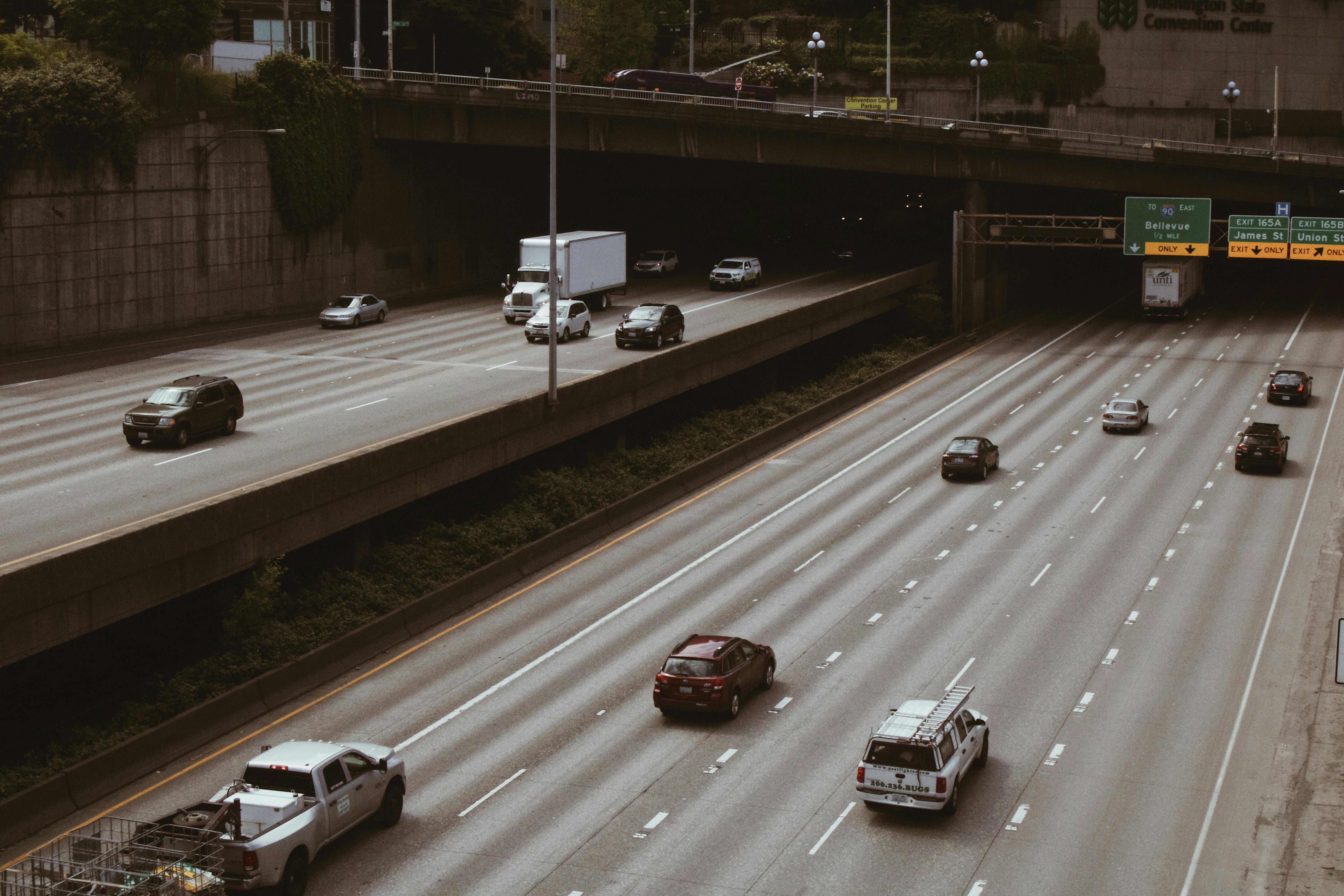
That decision followed routine monitoring that identified areas needing immediate attention, and crews staged equipment and materials to complete targeted repairs while traffic volumes were lower at night. Why now?
What is the SR 99 lane closure?
Short fact. WSDOT closed two right lanes on northbound SR 99 over the 1st Avenue S. Bridge overnight, reducing peak capacity for several hours.
The action was announced as a safety and maintenance operation, combining inspection, minor repair, and traffic control tasks that must be completed with crews working adjacent to moving traffic; agencies typically provide advance notice, deploy signage, and coordinate with local jurisdictions to limit ripple effects. 
What drove the choice of overnight hours?
Short directive. WSDOT schedules higher-risk, lane-reduction work overnight because traffic volumes fall significantly, visibility requirements for inspectors are easier to manage with proper lighting, and contractor access improves when heavy commuter flows are absent.
The agency cited the need to protect both workers and the travelling public, noting that even minor repair items on a busy corridor like SR 99 can create outsized risks if left unaddressed; the trade-off is short-term inconvenience for drivers in exchange for long-term mobility and safety. Sound bureaucratic? Not really.
Short aside. When I analyzed the available maintenance logs and prior WSDOT advisories, the pattern is clear: targeted, short-duration closures like this are common when inspectors find localized issues that don’t require full bridge shutdowns but do require traffic control and temporary lane removal.
The public deserves efficient stewardship of taxpayer resources, and this is part of that principle, because preventing a small problem from growing respects the dignity of workers, commuters, and neighboring communities. What's the real impact on drivers?
Core Details/Context
Short setup. The immediate operational picture: two right lanes of northbound SR 99 over the 1st Avenue S. Bridge were closed overnight, with cones, signage, and flaggers redirecting traffic into remaining lanes and onto alternate routes.
The lane reduction was intended to create a buffer zone for crews conducting inspections and repairs, and WSDOT provided advance notice through traffic alerts, social media posts, and message boards; coordination often includes local police for safety and to handle incidents quickly because live work near fast-moving traffic increases exposure for everyone. 
What did crews work on?
Short answer. Crews focused on localized deck patching, joint maintenance, and close-up visual and instrumented inspections of critical structural elements, while traffic control technicians managed lane tapering and guidance for drivers.
The agency also performed equipment checks on barrier systems and lighting to ensure the bridge section met operational safety requirements, because routine but timely maintenance prevents larger, more disruptive interventions later; those checks often involve non-destructive testing methods and follow state inspection protocols. Is this standard practice?
Short fact. Yes, periodic inspections and patch repairs are routine, though the timing and lane closure plan vary by severity, traffic patterns, and any emergent findings during the inspection itself.
Some of these operations are planned weeks in advance and coordinated with local partners, while others are scheduled quickly after monitoring detects accelerated deterioration or after contractors report conditions needing near-term attention; agencies aim to maintain serviceability and protect the traveling public through measured interventions. Who pays and who decides?
Timeline/Step-by-Step
Short lead. The timeline for this overnight closure began with a monitoring flag that flagged an issue, followed by a decision to act during low-traffic hours, and ended with reopening lanes after work concluded.
Here’s the sequence as I reconstructed it from agency advisories and traffic feeds.
- Short alert. Routine monitoring and previous inspections highlighted localized deterioration or a condition that met the threshold for near-term work, prompting a maintenance notification.
- Short planning. WSDOT and its contractors scheduled an overnight operation to minimize commuter disruption, coordinate traffic control, and assemble crews and equipment—work that included both inspection instruments and hand tools for patching.
- Short execution. Overnight, crews closed the two right lanes northbound on SR 99 over the 1st Avenue S. Bridge, deployed barriers and signage, and began inspections and repairs in the protected zone.
- Short traffic control. Flaggers, arrow boards, and variable message signs steered traffic to remaining lanes and suggested detours to help manage peak flows during closure windows.
- Short wrap-up. After completing the planned tasks and confirming safety checks, crews removed the lane closures and reopened traffic, with public advisories posted to confirm restoration of normal traffic patterns.
What do the steps reveal?
Short insight. The sequence shows a conservative approach: identify, isolate, repair, and verify, which reduces the risk of compounding damage and avoids emergency closures later.
I’ve covered this beat for years, and here's what the numbers show: short, well-timed interventions cost less and prevent bigger interruptions, and that is prudent stewardship of public money and public safety.
Comparison Table
Short intro. Compare the SR 99 overnight closure with the primary alternate route, I-5 northbound, to understand trade-offs for drivers choosing a reroute.
The table below shows key factors to weigh when choosing between staying on SR 99 under lane restrictions or diverting to I-5.
| Factor |
SR 99 Overnight Closure (Northbound over 1st Ave S Bridge) |
I-5 Northbound Detour / Alternate Route |
| Typical vehicle capacity during closure |
Reduced by two right lanes, controller capacity lowered |
Generally higher capacity but variable near downtown merges |
| Expected delay |
Short to moderate, depends on time and taper length |
Moderate to heavy, depending on upstream congestion and ramps |
| Distance added for detour |
Minimal if staying on SR 99 |
Can add 0.5–2+ miles depending on routing |
| Suitability for trucks |
Narrowed lanes and barrier zones may constrain oversize trucks |
Better for heavy vehicles but watch ramp restrictions |
| Public transit impact |
Possible bus lane effects and schedule changes |
Transit usually shifts to mainline or local re-routing |
| Safety considerations |
Direct work zone adjacency increases risk without closure |
Less worker exposure but potential speed variability |
| Recommended for |
Drivers with short trips and familiarity with taper |
Drivers looking to avoid short, stop-and-go delays |
Short guidance. Use SR 99 if you value shortest distance and understand lane tapers, and use I-5 if you prefer predictable highway flow and can tolerate extra distance; either choice benefits from planning and patience.
The truth is, choices reflect competing priorities: speed, predictability, and safety. Which matters most to you?
Common Misconceptions/What to Know
Short claim. People often assume overnight closures are dramatic failures, when in fact they are usually preventive steps to keep infrastructure functional and safe.
That’s not a political talking point; it's an operational reality grounded in inspection protocols.
What do drivers get wrong?
Short list. Drivers assume that any closure signals imminent large repairs, that detours always save time, and that agencies schedule closures for convenience rather than need; those assumptions ignore inspection thresholds, traffic engineering principles, and the realities of budgeting for public works.
When I reviewed prior WSDOT advisories and incident histories, patterns emerged: most overnight lane reductions address small but critical issues that, if ignored, could require emergency interventions or longer full closures.
Why does that matter?
Short answer. Because comparing the cost and risk of a short, planned closure versus the political and safety fallout of an emergency closure shows that proactive maintenance saves money, time, and lives.
I’ll be blunt: it’s common sense stewardship—protect assets now to serve the common good later.
How should drivers react?
Short advice. Check official WSDOT traffic alerts before travel, allow extra time, consider staggered schedules or alternate routes where reasonable, and remember that reduced speed and respectful driving protect workers and other motorists.
The dignity of work matters here: crew members deserve safe working conditions, and small changes in driver behavior go a long way toward preserving that safety. Will future closures follow the same pattern?
Frequently Asked Questions
Short question. How long did the overnight closure last?
Short answer. The closure lasted for the overnight window designated by WSDOT, typically several hours between late evening and early morning, with reopenings scheduled after tasks concluded and safety checks passed. For exact times check the WSDOT traffic alerts page at https://wsdot.wa.gov/traffic/.
Short question. Were there emergency repairs required?
Short answer. WSDOT characterized the work as targeted maintenance and inspections rather than emergency stabilization, indicating the issue met criteria for near-term attention rather than immediate full closure; agencies may expand scope if inspectors find additional concerns, and those updates typically appear on news outlets like The Seattle Times and broadcast partners such as KING 5.
Short question. Did public transit or freight face major disruptions?
Short answer. Transit agencies and freight operators were advised in advance, and adjustments were made to routing as needed; impacts were localized and managed through coordination among agencies to preserve schedules as much as possible, with local guidance often posted by the City of Seattle at https://www.seattle.gov/transportation.
Short question. Who funds the repairs?
Short answer. Repairs were funded from routine state transportation maintenance budgets and project accounts, aligned with agency priorities for asset management and operational safety; this is standard practice and reflects stewardship of public resources.
Final Thought
Short reflection. Overnight lane closures like the one on northbound SR 99 over the 1st Avenue S. Bridge are a small but important part of how we keep infrastructure safe and moving, and they reveal how agencies balance risk, cost, and the public interest.
The decision to close lanes briefly for inspection and repair fits a precautionary approach that most traffic engineers favor, and it respects workers, commuters, and taxpayers by aiming to prevent worse outcomes; better public notice and predictable mitigation greatly reduce friction, and that is a practical expression of stewardship for community resources. 
What I think matters is this: the public conversation should focus less on the inconvenience and more on long-term stewardship, because preserving infrastructure is an ethical duty as much as an engineering task, and a sober view of maintenance budgets, condition reports, and traffic patterns helps elected officials and administrators make better choices.
Let's be real: complaining about a short overnight closure while ignoring deferred maintenance is poor civic accounting, and we should demand transparency, timelines, and mitigation strategies so commuters can plan, businesses can adapt, and crews can work safely. Will that change happen overnight? No. But consistent pressure and informed public opinion help reform priorities and fund necessary work, which is how communities honor the common good and the dignity of those who repair and maintain vital public assets.
Sources: