Growth matters. When Kristin Botzet of the Defenders of Wildlife says, “It’s always exciting to see when you have growth,” she is talking about more than...
Growth matters. When Kristin Botzet of the Defenders of Wildlife says, “It’s always exciting to see when you have growth,” she is talking about more than a feel-good headline, because wildlife numbers can rise for the wrong reasons, the right reasons, or some messy mix of both, and the real question is whether the gain sticks under pressure from habitat loss, policy fights, and plain old human indifference.
Key Takeaways
- Wildlife growth can signal better habitat, stronger protections, or simply a temporary rebound.
- The headline number is not the whole story; survival, reproduction, and long-term range stability matter more.
- Policy, land use, and enforcement decide whether gains last.
- Conservation wins are fragile, and they usually depend on public money, private land stewardship, and local cooperation.
- The common good is not a slogan here; it is the only honest way to think about shared land, water, and the creatures that depend on them.
What is wildlife growth?
Wildlife growth means an increase in a species’ population, geographic spread, or both. It sounds simple. It isn’t. A population can tick upward because of a wet year, fewer collisions with vehicles, better enforcement against poaching, or a habitat restoration project that finally started paying off. It can also bounce because of a narrow age cohort, a mild winter, or a counting method that caught more animals in the sample than last year. Frankly, the number alone tells you very little unless you know the cause.
I’ve covered enough environmental reporting to know that public attention tends to stop at the first sentence. “Species rebounds” gets the clicks. The follow-up rarely does. But the follow-up is where the truth lives: Is the food supply stable? Are breeding corridors connected? Are water sources clean? Are the animals being pushed into conflict with farms, roads, or suburbs? Those questions matter because conservation is not about a single press release. It is about stewardship, which is a plain word for a moral duty most people understand even if they don’t use the term.
The Defenders of Wildlife, a national conservation advocacy group, often frames these gains as proof that policy and public pressure can work together. That is not wrong. But it is incomplete. A species can show growth while the broader system remains brittle. Habitat can still be chopped up by development. Climate stress can still dry wetlands. Federal and state budgets can still whittle down the very programs that made the growth possible. So yes, growth is good. What’s the kicker? It is also a warning label.
Current coverage often treats wildlife conservation as a niche concern, fit only for people with binoculars and hiking boots. That’s lazy reporting. Wildlife populations are tied to water quality, farm productivity, disaster resilience, tourism, and the health of public lands. When a species recovers, it often means the surrounding ecosystem is functioning better. When it falters, you usually see stress in other places too.
Core details and context
- Population counts are messy. Wildlife agencies use surveys, camera traps, aerial counts, DNA sampling, and field observations. Each method has limits, and the margin of error can be wide.
- A rise does not equal recovery. A species may still be far below historical levels, genetically thin, or trapped in a few disconnected patches.
- Policy matters more than slogans. Endangered Species Act protections, habitat grants, state management plans, and local zoning rules can help or hurt.
- Private land is central. Much habitat is outside federal parks. That means ranchers, farmers, timber owners, and local governments are part of the story whether they like the spotlight or not.
- Human-wildlife conflict is the pressure point. Ranch losses, crop damage, and road collisions can turn public support sour fast.
- Public money is not a luxury. Conservation costs money. The math is boring, but real. Monitoring, fencing, restoration, enforcement, and scientific review all need funding.
- Local trust decides durability. If nearby communities think conservation is being done to them instead of with them, the whole thing gets shaky.
Here’s the part most coverage skips: the economic and moral balance. A healthy wildlife population is not just an aesthetic good. It can support hunting, birding, tourism, watershed health, and the dignity of rural work when landowners are treated as partners rather than obstacles. Catholic social teaching has a plain answer here: creation is a gift, not a toy, and human beings are stewards, not squatters. That means protecting wildlife without pretending people do not live, work, and raise families in the same places.
On the policy side, the debate usually hardens into caricature. One camp says conservation rules are always too weak. The other says they are always too strict. Both can be wrong. A rule can be too loose for a species under real strain and too rigid for a local community carrying the cost. The honest fix is not rhetorical theater. It is targeted management, real data, and enough patience to let reforms work.
For a broader read on environmental policy fights that shape conservation budgets and land-use decisions, see The New York Times climate coverage, The Washington Post climate and environment section, and Reuters U.S. news.
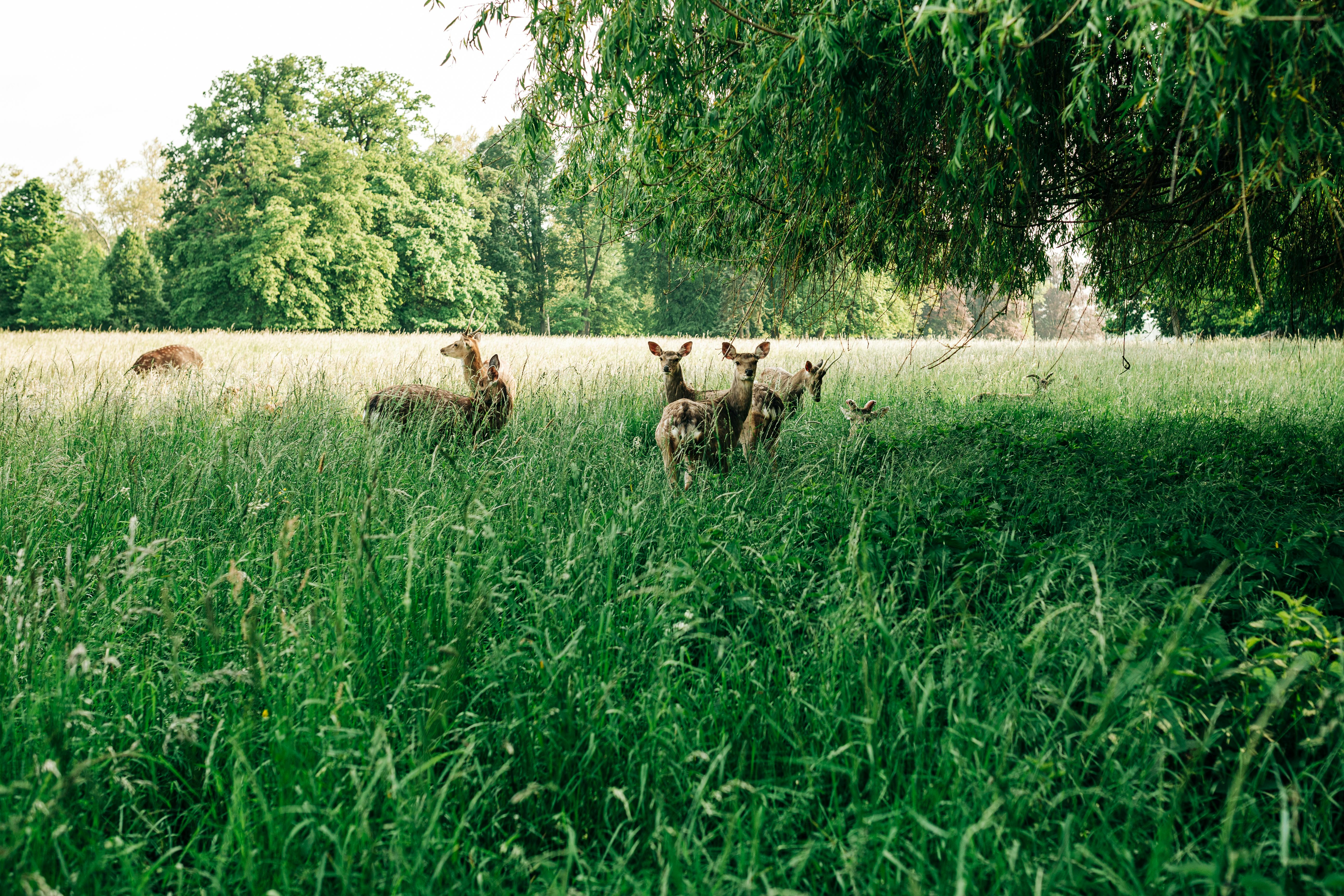
Timeline and step-by-step: how wildlife growth usually happens
- The problem becomes visible. Biologists, ranchers, hunters, or residents notice a decline, a range shift, or more conflict. I’ve watched this start with one odd season and end with a formal review years later.
- Data gets collected. Agencies begin surveys, mapping, tagging, or camera monitoring. This is where the story gets less glamorous and more useful. Without hard data, everyone is just arguing.
- A management plan is drafted. Wildlife commissions, federal agencies, tribal governments, and conservation groups hash out habitat work, protection measures, and sometimes hunting restrictions.
- The public starts fighting. That’s the predictable part. Developers worry about limits, landowners worry about costs, and advocacy groups worry that the plan is too timid. Everybody claims to love science right up until it asks something of them.
- Implementation begins. Crews restore wetlands, remove barriers, create corridors, compensate landowners, or enforce protections. Results are slow. Anyone promising overnight success is selling smoke.
- Early growth appears. Numbers rise, sightings increase, or the species expands into adjacent habitat. This is the moment the press usually celebrates and then moves on.
- The hard part arrives. Keeping the gains means continued money, public patience, and discipline. A single bad budget cycle can wreck years of work. A single policy rollback can do the same.
- Long-term monitoring decides the verdict. If the population survives drought, pressure, and political turnover, then you have something real. If not, the spike was just a bump.
When I analyzed conservation stories over time, the same pattern kept showing up: victory headlines come first, maintenance comes last, and maintenance is what matters. It is the unsexy work of civilized societies to protect what cannot defend itself. That principle may not trend on social media, but it is sound.
For another angle on how conservation intersects with federal policy and land management, see NPR environment reporting and Associated Press environment coverage. They tend to keep the hype dial lower than most.
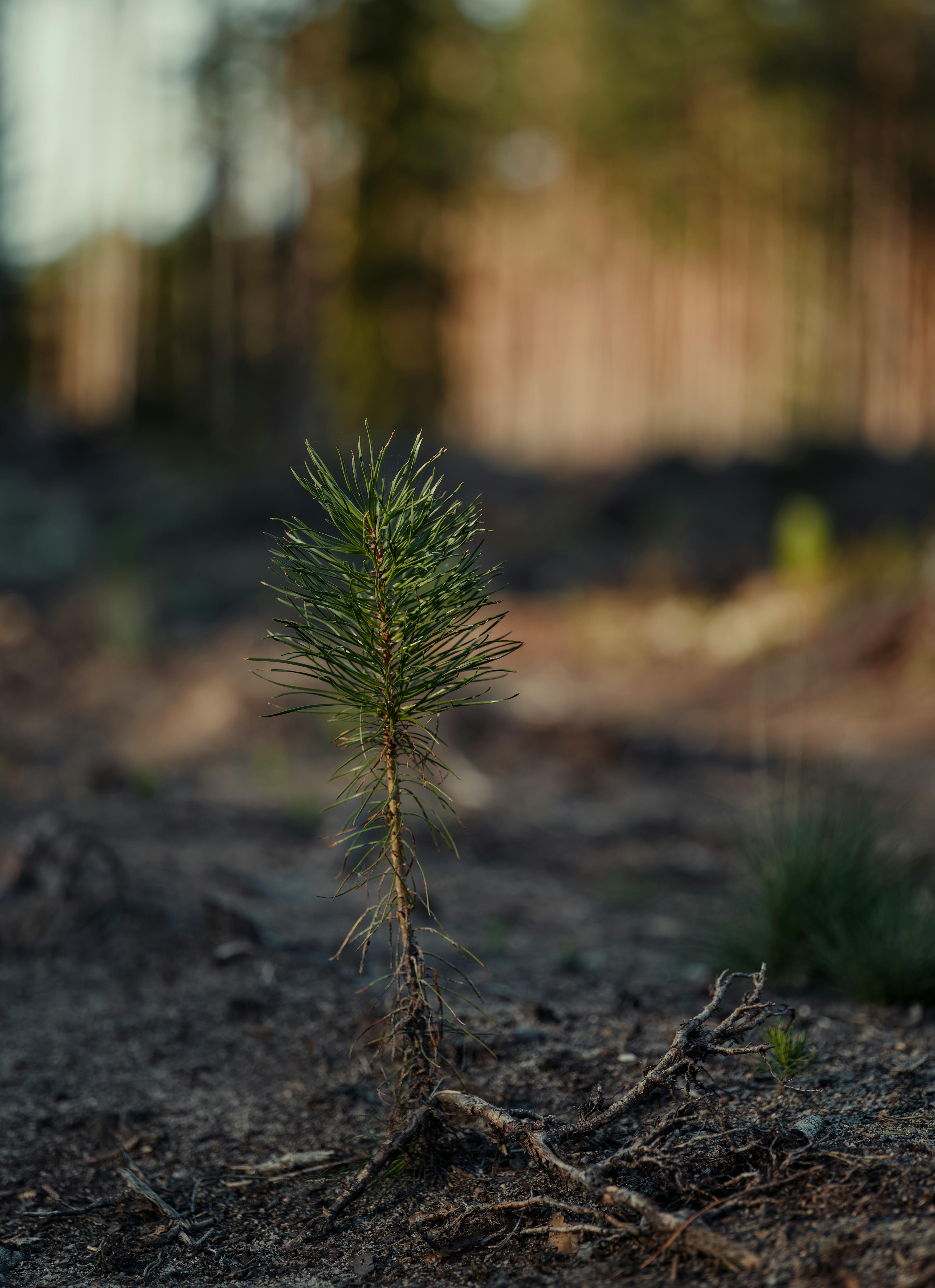
Comparison table: conservation growth vs. short-term rebound
| Factor | Real Wildlife Growth | Short-Term Rebound |
|---|
| Cause | Habitat improvement, protection, recovery planning | Weather, counting shift, one-off food boom |
| Duration | Multi-year trend | One season or a brief run |
| Policy impact | Usually tied to sustained management | Often weak or unclear |
| Community effect | Can reduce conflict over time | May not change local pressure |
| Scientific value | Indicates durable recovery potential | Useful, but not enough on its own |
| Risk | Slower progress than the public wants | False confidence and bad decisions |
That table tells the story better than a dozen emotional quotes. Real growth is slow, uneven, and often boring to watch. Short-term rebound is flashy and unreliable. Most people want the flashy version because it is easier to digest. But easy is not the same as true.
Common misconceptions and what to know
One common myth says any increase in numbers means the crisis is over. No. That is how people end up backing away from protections too soon, then acting shocked when the species slips again. Recovery is not a photo op. It is a stretch of years, usually with setbacks.
Another myth says conservation always hurts working people. That is not serious analysis. Poorly designed rules can hurt local communities, sure. But so can degraded land, water scarcity, soil loss, and unstable ecosystems. People who work the land know this better than politicians do. Farmers and ranchers live with consequences, not slogans.
A third myth says activists and landowners are natural enemies. Sometimes they are in a fight, yes. But plenty of the best results come from joint work, compensation, conservation easements, and practical agreements. The trick is honesty. If either side starts pretending the other does not have legitimate concerns, the project starts to rot.
A fourth myth says growth is purely a scientific issue. It is not. It is scientific, political, economic, and moral. Humans have obligations to each other and to the created order. That sounds lofty, but the meaning is simple: do not poison what you depend on, and do not treat living things as disposable because they are inconvenient.
Let’s be real: the biggest obstacle is often attention span. People care when an animal is rare, charismatic, or in the news. They stop caring when the work turns into permits, easements, monitoring reports, and budget hearings. Yet those dull mechanics are exactly where success is made or lost.
To understand why this matters beyond one species, read related reporting on the policy side at Reuters U.S. news, the public-interest angle at NPR environment reporting, and the regulatory details at The Washington Post climate and environment section. They help separate the noise from the facts.

Frequently asked questions
What does it mean when wildlife numbers are growing?
It usually means a species is reproducing successfully, surviving better, or reclaiming habitat, but the cause matters. A growth number can reflect real recovery or a temporary bump from weather, food supply, or survey conditions.
Why do conservation groups celebrate small increases?
Because small gains can show that habitat work, protection, and enforcement are starting to work. Still, a sensible group does not confuse a small increase with full recovery. The difference is huge.
Can wildlife growth create new problems for people?
Yes. More animals can mean more crop damage, road collisions, or livestock conflict. That is why smart management includes local compensation, fencing, corridor planning, and honest communication.
Is wildlife growth always tied to government policy?
Not always, but policy often plays a major role. Private land management, market incentives, weather, and community cooperation all matter too. In the real world, it is rarely one thing.
Final thought
Wildlife growth is worth celebrating, but not worshiping. The numbers matter, the story matters, and the people living near the habitat matter too. That is the part most coverage trims away because it is harder to sell. But if you care about the long view, and not just the applause line, you have to care about the slow work underneath.
The truth is, conservation is one of the few areas where prudence still beats noise. A society that can steward land well, protect vulnerable species, and respect the livelihoods of ordinary people is doing more than preserving pretty scenery. It is practicing justice in a concrete way. And that, boring as it sounds, is what durable progress looks like.